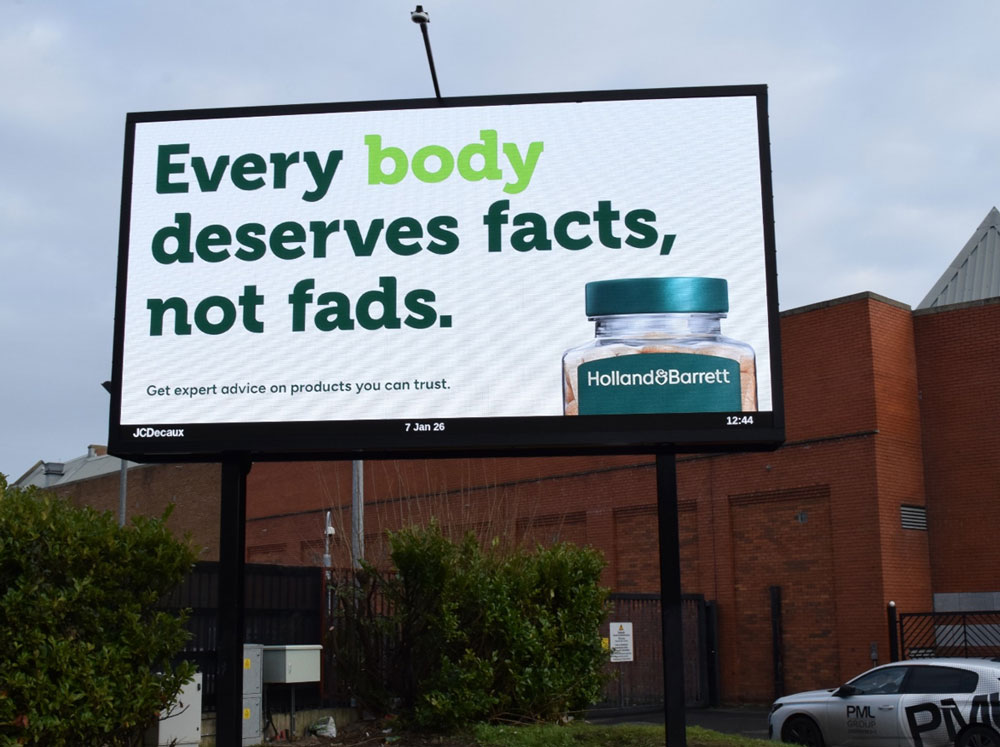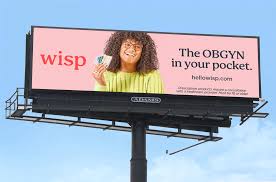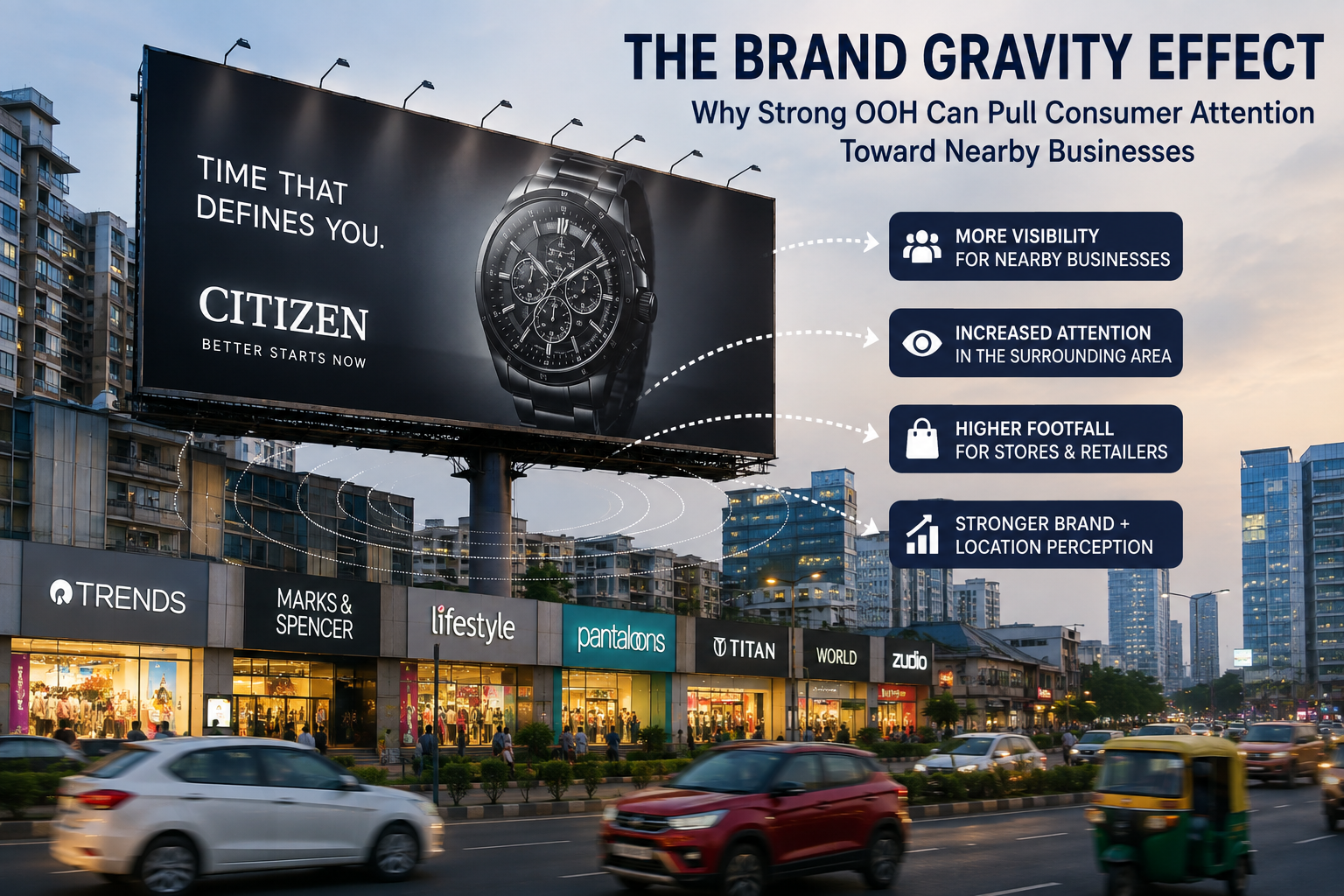


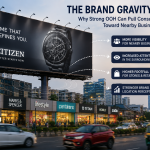
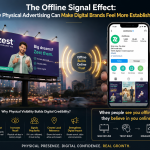

While the digital landscape often feels increasingly fragmented and cluttered, the physical world is reclaiming its crown. According to the latest data from the Out of Home Advertising Association of America (OAAA), the Out of Home (OOH) industry has not just survived the digital age it is thriving in it. In 2025, OOH revenue reached a staggering $9.46 billion, marking the industry’s 19th consecutive quarter of growth.
This isn’t just a minor uptick; it is a clear signal of a structural shift in how the world’s biggest brands view “real-world” visibility. With a 3.6% year-over-year increase and a powerful 4.8% surge in the final quarter, OOH has proven itself to be the ultimate “demand creation engine” in a modern media mix.
The Digital Catalyst: DOOH Takes Center Stage
The engine behind this record-breaking year is undoubtedly Digital Out of Home (DOOH). Accounting for 36.3% of total revenue, DOOH grew by an impressive 10.5% in 2025.
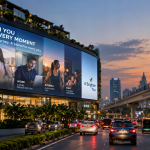
Digital screens have transformed static billboards into dynamic, programmatic assets. Brands can now change their messaging based on the time of day, weather conditions, or even real-time traffic data. This flexibility has bridged the gap between the precision of online targeting and the unblockable scale of physical advertising.
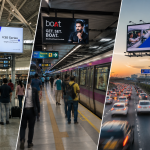
However, traditional formats aren’t sitting on the sidelines. Billboards, street furniture, and place-based media all saw gains. Most notably, Transit emerged as the fastest-growing segment for the second year in a row, rising 9.2%. As people return to commuting and travel in full force, transit advertising provides a “captive audience” that digital platforms simply cannot replicate.
New Players in the Physical Space
Perhaps the most fascinating trend in the 2025 data is the diversity of the advertisers. “OOH continues to attract a broader and more diverse mix of advertisers,” noted Anna Bager, President and CEO of OAAA. We are seeing a unique intersection where “old world” services meet “new world” technology. Some of the most explosive growth came from unexpected sectors:
-
Fuel Suppliers, Plumbing, and HVAC Services: Up 54%
-
Wireless Telecom Providers: Up 47%
-
Consumer Banking: Up 34%
Even the tech giants are stepping outside. 28% of the top 100 OOH advertisers are now technology or digitally native brands. When companies like Apple, Google, Meta, and Amazon who own the digital world choose to spend billions on physical billboards, it sends a powerful message: to be truly “top of mind,” you have to be in the “real world.”
Interestingly, OpenAI made its debut in the top advertiser rankings this year. This signifies that even the most cutting-edge AI companies recognize that building trust and mainstream awareness requires a physical presence that consumers can see while walking down the street or driving to work.
The Power of Local Relevance: The Morgan & Morgan Strategy
To understand why OOH is so effective, one needs to look at the legal sector the industry’s largest product category. Legal Services grew by 21%, led by giants like Morgan & Morgan.
For a law firm, OOH isn’t just about a logo; it’s about building a sense of “everywhere-ness” that fosters trust. Tricia Barr, Senior Media Director at Morgan & Morgan, explains that OOH embeds the brand into the “fabric of the communities.” When a consumer sees a familiar face on a billboard every day during their commute, that brand becomes the first choice during a life-changing legal crisis.
“OOH acts as a demand creation engine that amplifies every other advertising channel,” says Barr. It provides the scale that makes a social media ad or a Google search result feel more “official” and credible.
The “Double Down” Effect: Who is Spending the Most?
The 2025 rankings show that the biggest brands in the world are not just maintaining their OOH presence they are accelerating it. Seventy percent of the top 100 advertisers increased their spending compared to 2024.
The top ten spenders list reads like a “who’s who” of global commerce:
-
Apple
-
Morgan & Morgan
-
Vivint
-
Verizon
-
Repipe Specialists
-
Coca-Cola
-
McDonald’s
-
Disney
-
T-Mobile
-
Amazon
Seventeen of these advertisers more than doubled their investment. Companies like JPMorgan, Capital One, and Progressive are using OOH to cut through the noise of the internet, where ad-blockers and “scroll fatigue” make it harder than ever to capture a consumer’s undivided attention.
Why OOH is Winning the Attention War
In a world of “skip-able” ads, OOH is un-skippable. You cannot close a billboard, and you cannot scroll past a wrapped subway car. This “forced” visibility, combined with the creative high-fidelity of modern digital screens, makes OOH the most honest form of advertising left.
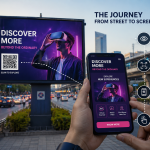
Furthermore, OOH drives action. Studies consistently show that consumers who see an OOH ad are significantly more likely to engage with that brand on their mobile devices later. It is the top-of-the-funnel catalyst that makes the rest of the digital marketing ecosystem work harder.
Conclusion: A Cornerstone of the Modern Media Mix
The 2025 revenue figures are more than just numbers; they represent a vote of confidence in the physical world. As we move deeper into 2026, the momentum shows no signs of slowing down. With the integration of AI-driven creative, programmatic buying, and high-traffic transit placements, Out of Home advertising has solidified its position as a cornerstone of modern marketing.
Whether it’s a local plumber reaching a neighborhood or a global tech titan launching a new OS, the message is clear: If you want to be seen, you have to go outside.