







The Evolution of Consumer Engagement
Consumer engagement has undergone a dramatic transformation in recent years. Traditional marketing methods are no longer enough to capture attention in a world where audiences are constantly exposed to information. Today, brands must adopt innovative strategies that create meaningful, interactive, and memorable experiences. Marketing innovation has become the driving force behind this shift, helping businesses connect with consumers in smarter and more impactful ways.
The modern consumer expects more than just advertisements. They seek experiences that are personalized, relevant, and engaging. This demand has encouraged marketers to rethink their approach and embrace creativity, technology, and data-driven strategies.
Technology is Driving Marketing Innovation
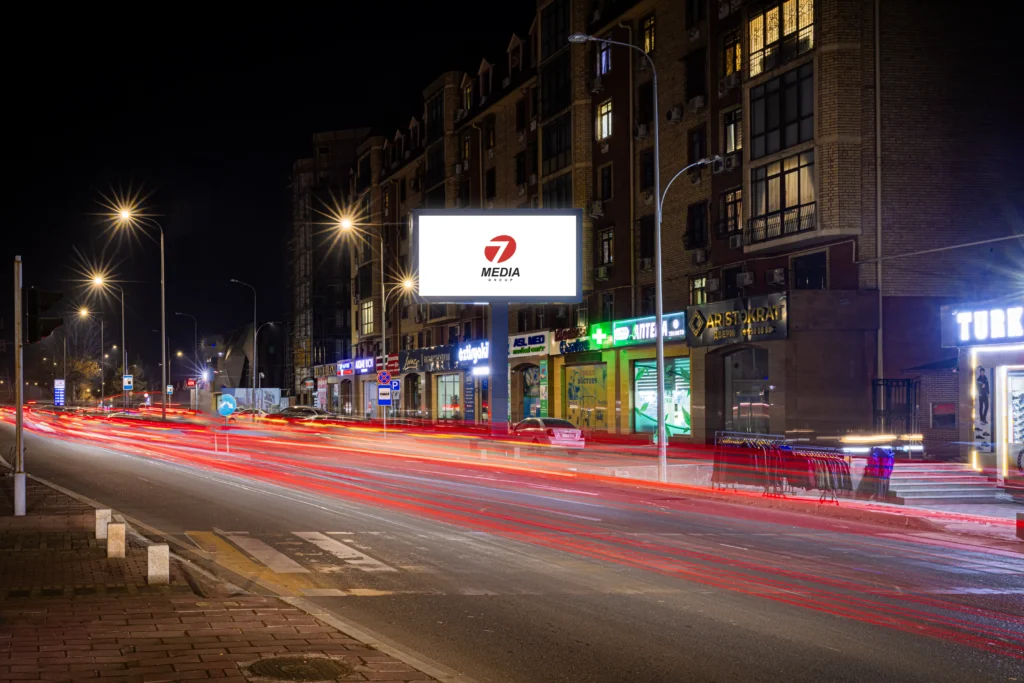
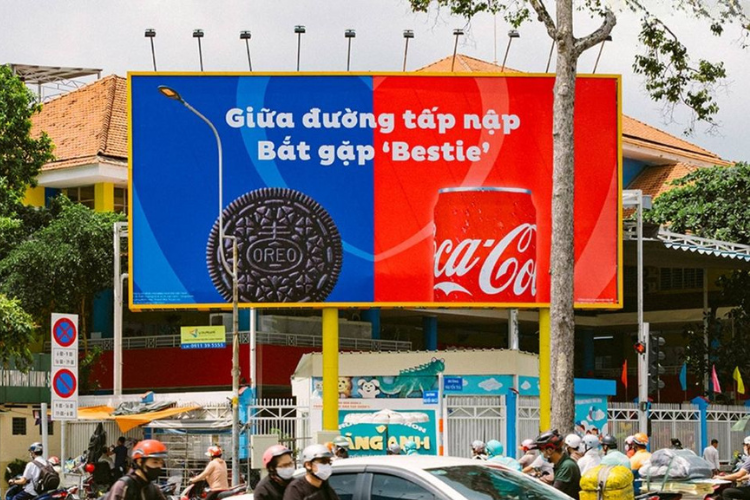
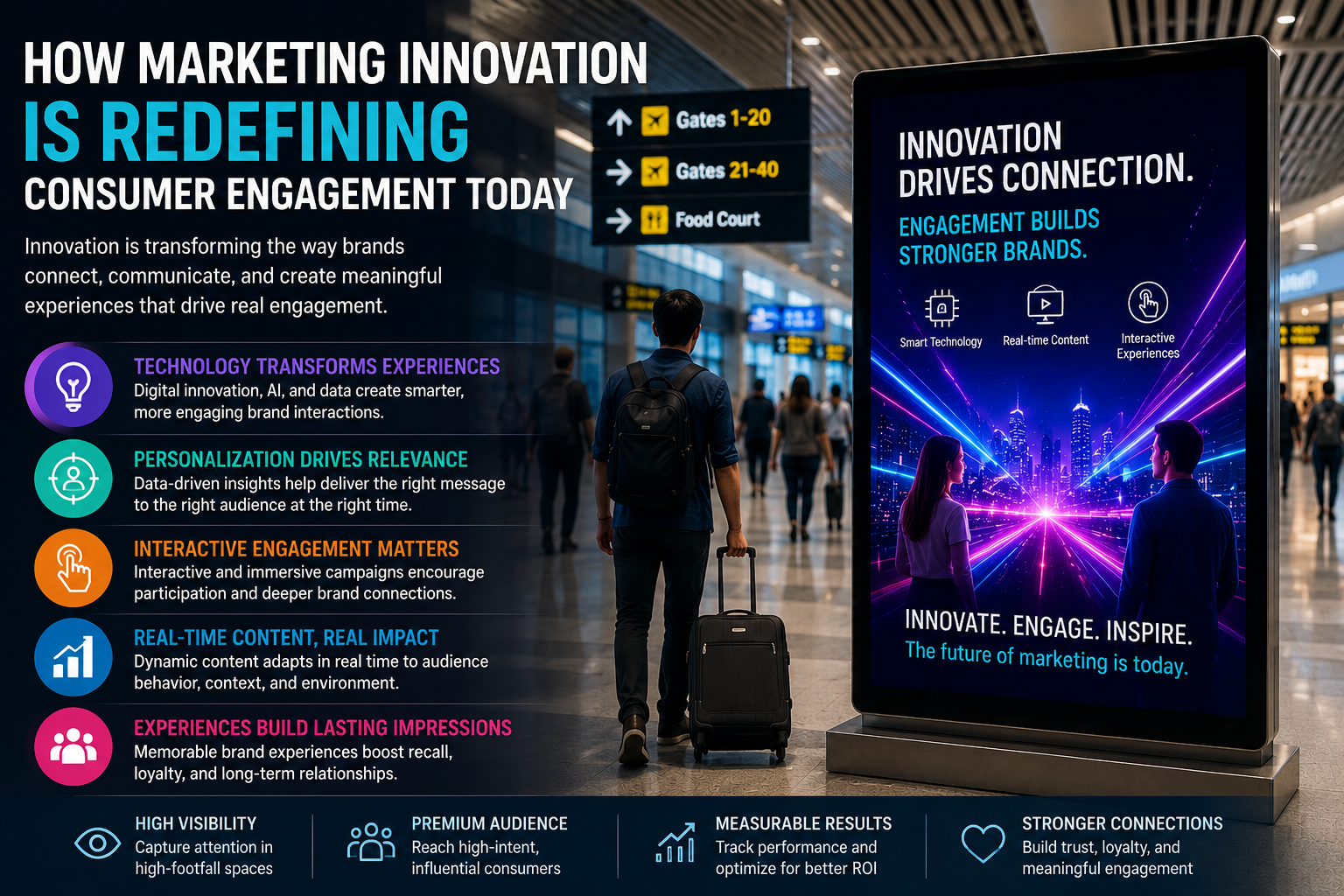
Technological advancements have completely changed the marketing landscape. Digital Out-of-Home (DOOH) advertising, artificial intelligence, augmented reality, and interactive digital displays are allowing brands to deliver highly engaging campaigns.
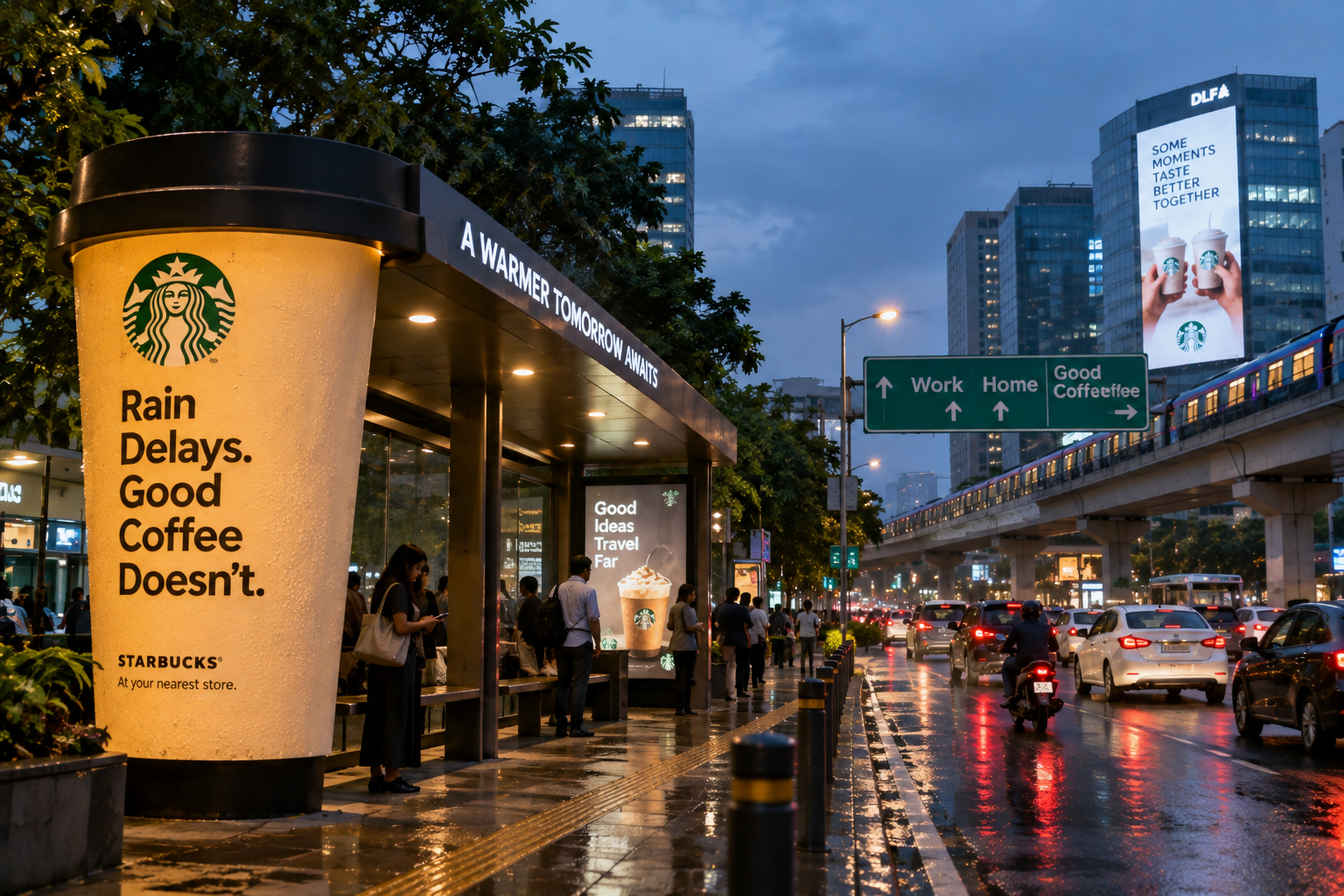
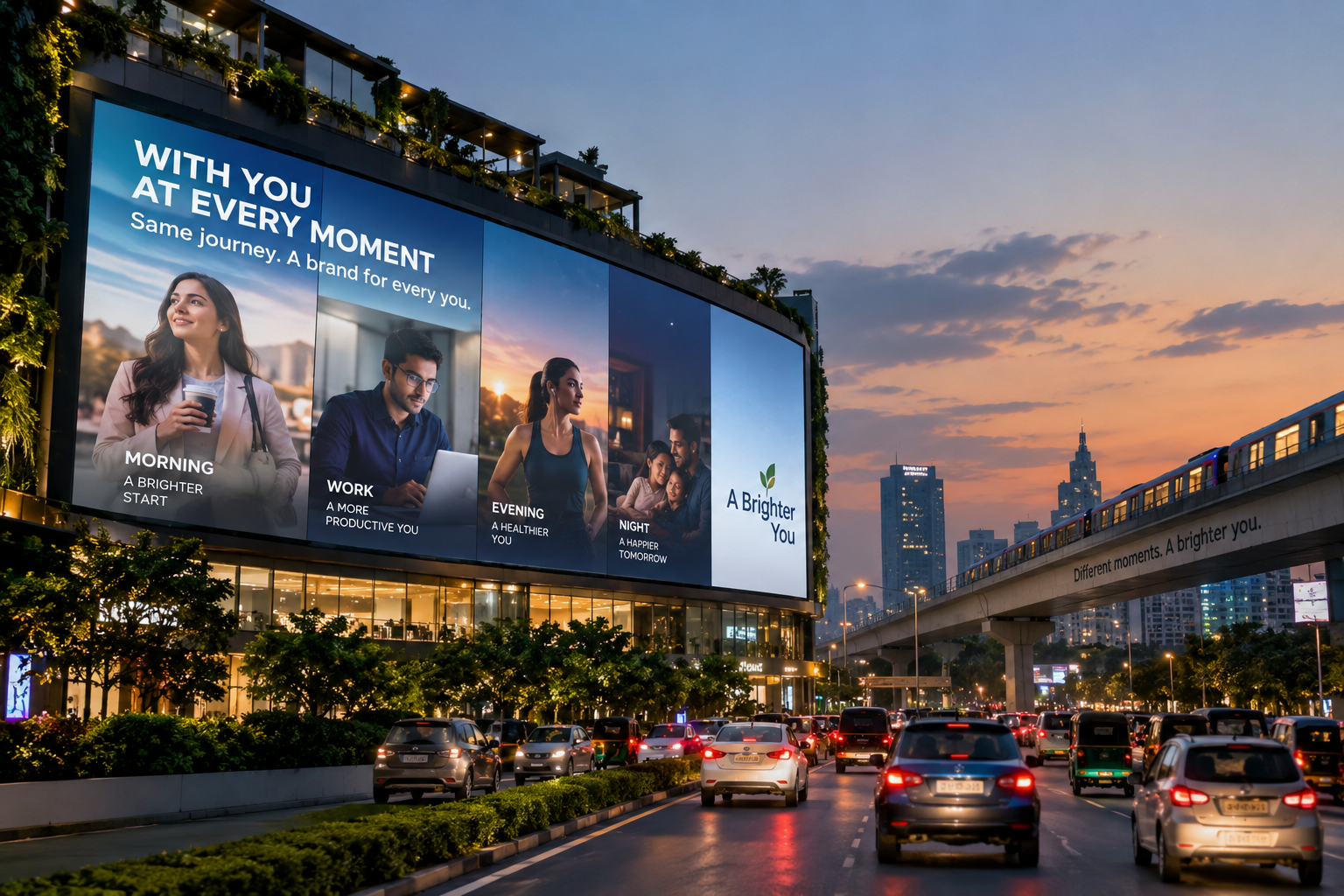
These technologies help brands create real-time, context-based messaging that resonates with audiences. For example, dynamic digital billboards can adapt their content based on time, weather, or audience demographics. This level of customization makes campaigns more relevant and impactful.
Interactive campaigns such as QR-code activations, touch-screen experiences, and immersive visual storytelling encourage direct participation, increasing consumer involvement and strengthening emotional connections.
Personalization Creates Deeper Connections
One of the biggest ways marketing innovation is redefining consumer engagement is through personalization. Consumers are more likely to respond positively when messaging feels tailored to their preferences and needs.Data-driven insights allow brands to understand audience behavior and create customized campaigns that speak directly to specific consumer groups. Personalized messaging improves attention, trust, and conversion rates.In innovative OOH campaigns, brands can combine digital technology with audience analytics to deliver location-specific and contextually relevant content that feels highly targeted.
Experience-Led Marketing Builds Brand Recall
Experiential marketing has become essential for building stronger consumer relationships. Instead of simply delivering a message, innovative campaigns create immersive brand experiences.
Airport advertising, transit media, digital installations, and interactive public displays are powerful examples of experience-led marketing. These platforms allow brands to engage audiences through repeated exposure and memorable visual storytelling.
When consumers actively experience a campaign, they are more likely to remember the brand and share their experience, amplifying reach organically.