


Outdoor advertising has been built around a simple question: Where can a brand reach the maximum number of people? Today, that question is evolving. The more important question is becoming: What is the consumer experiencing at the exact moment they see the brand?
This shift is driving the rise of contextual OOH advertising, where location, environment, timing and consumer behaviour become an integral part of the communication itself. Instead of treating a billboard or digital screen as an isolated advertising unit, brands are increasingly using the surrounding city as part of the creative experience.
From Location-Based Advertising to Context-Based Communication
Location has always been one of OOH’s greatest strengths. A billboard on a busy road, an airport display or a metro branding opportunity can deliver enormous visibility. But contextual communication takes the idea further.
It considers the moment surrounding the impression.
A commuter travelling to work, a traveller arriving at an airport, a shopper entering a mall or a consumer navigating a busy urban corridor is experiencing a very different mindset. When creative communication reflects that environment, the advertisement can become more relevant and memorable.
The campaign becomes connected to the journey rather than simply occupying a space along it.
The City Becomes Part of the Creative
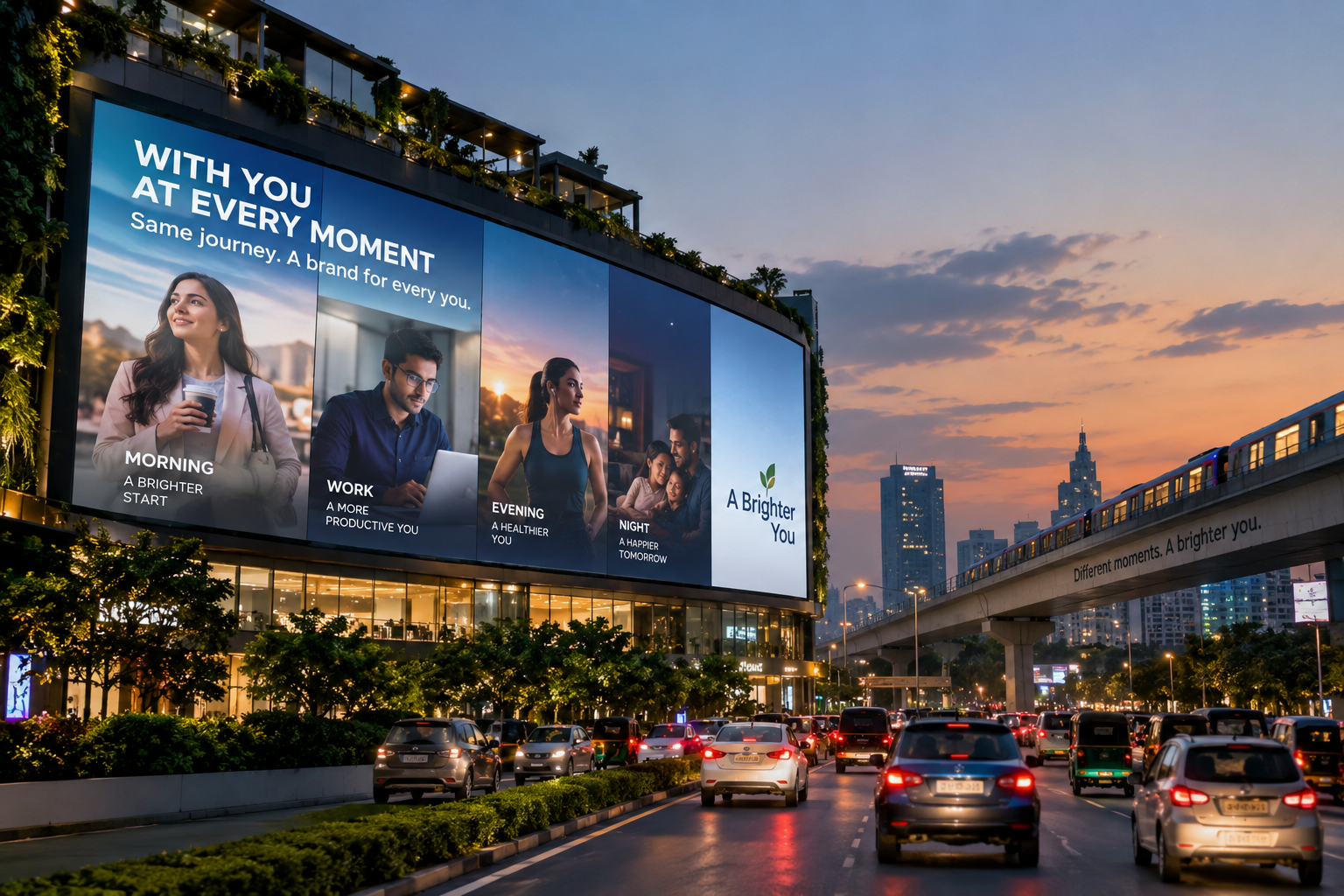
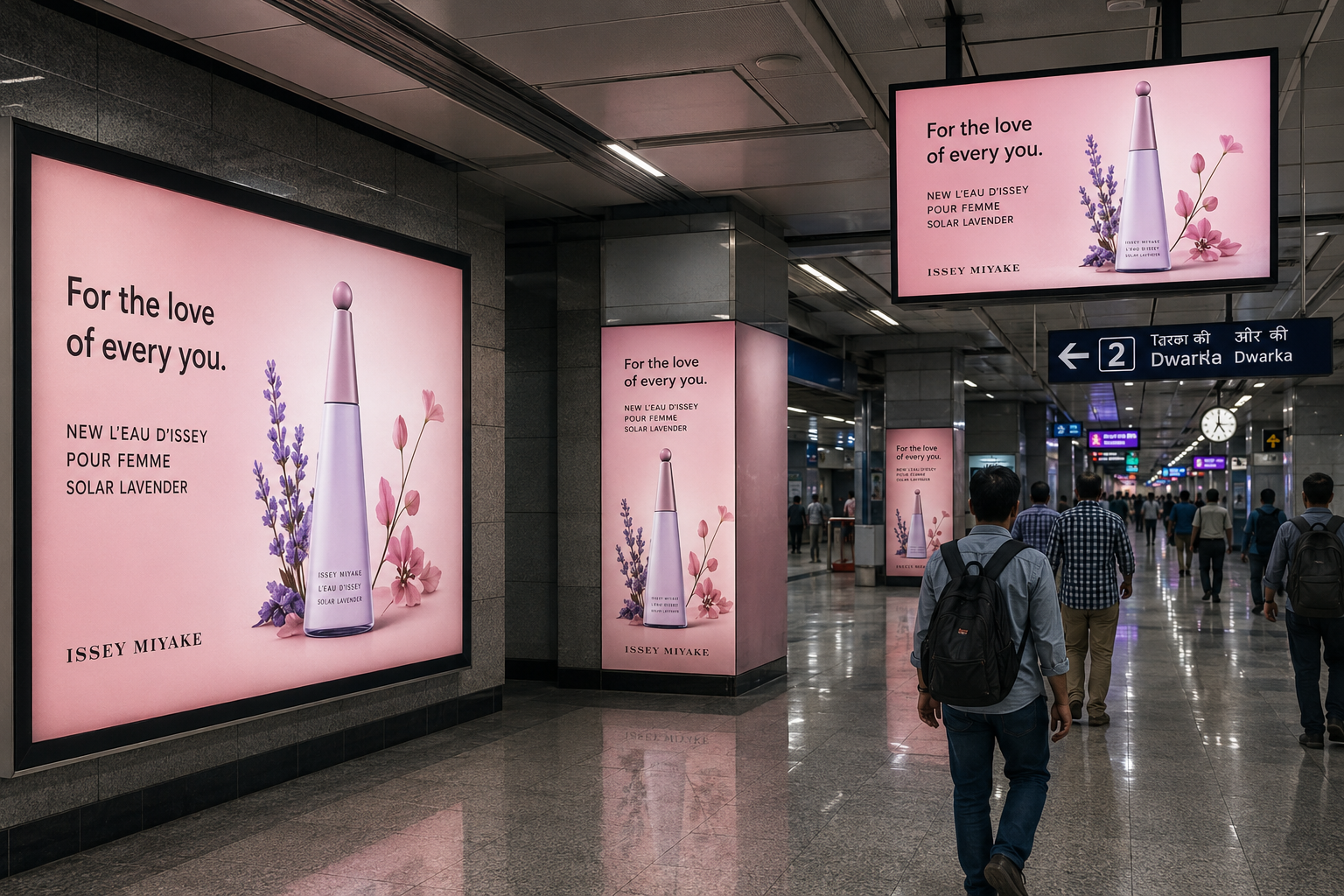
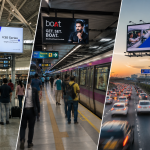
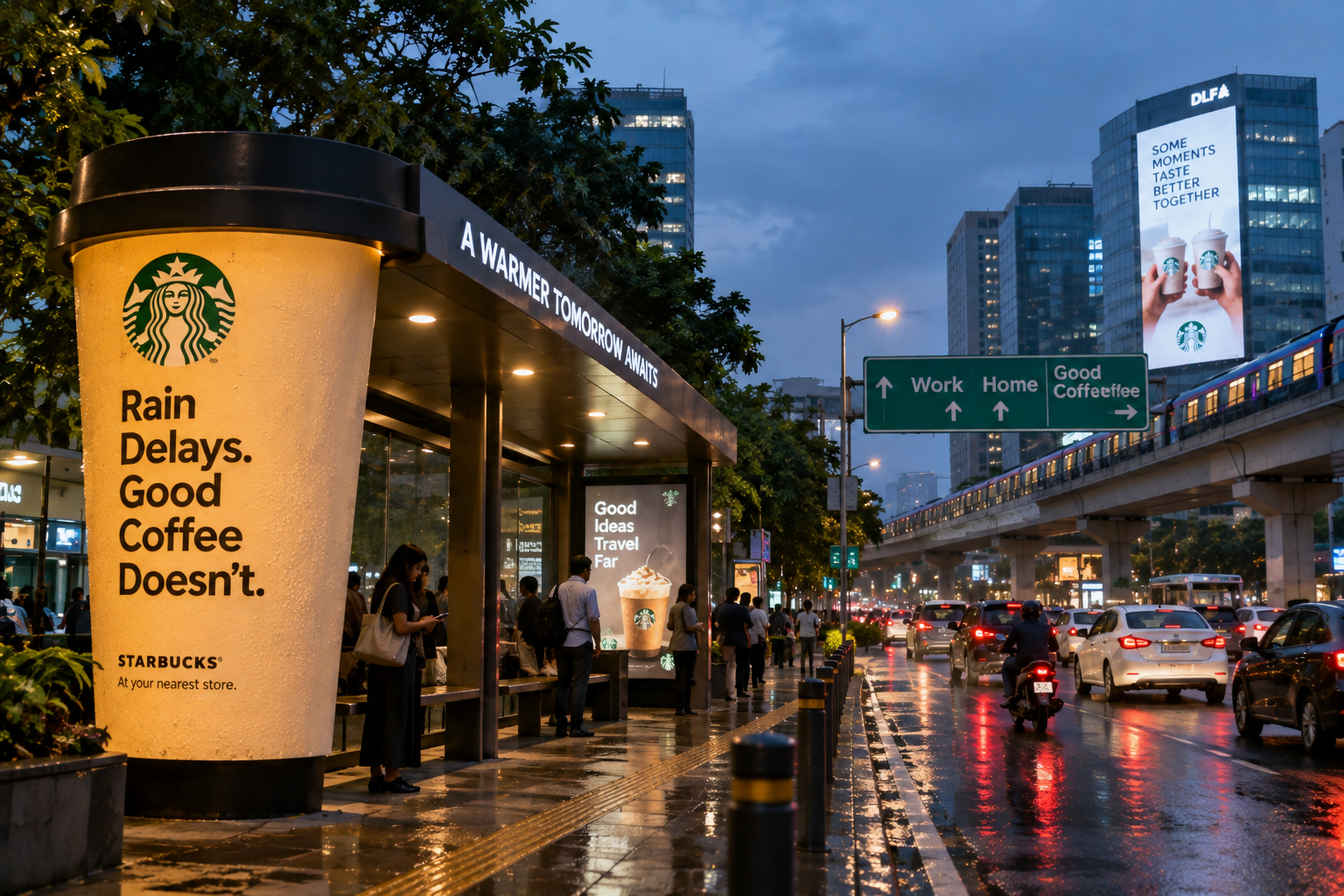
Innovative OOH campaigns demonstrate how physical environments can become an extension of the brand message. A large-format digital screen can tell different stories throughout the day. Transit environments can communicate according to commuter behaviour. Retail locations can bring messaging closer to purchase decisions.
In this approach, the environment is no longer just the background—it becomes part of the creative.
The visual experience of a campaign can also be designed to complement the architecture, traffic flow and movement of the surrounding area. This creates advertising that feels native to the environment while still commanding attention.
Why Context Makes OOH More Powerful
Consumers are exposed to thousands of marketing messages every day. Relevance therefore becomes increasingly important.
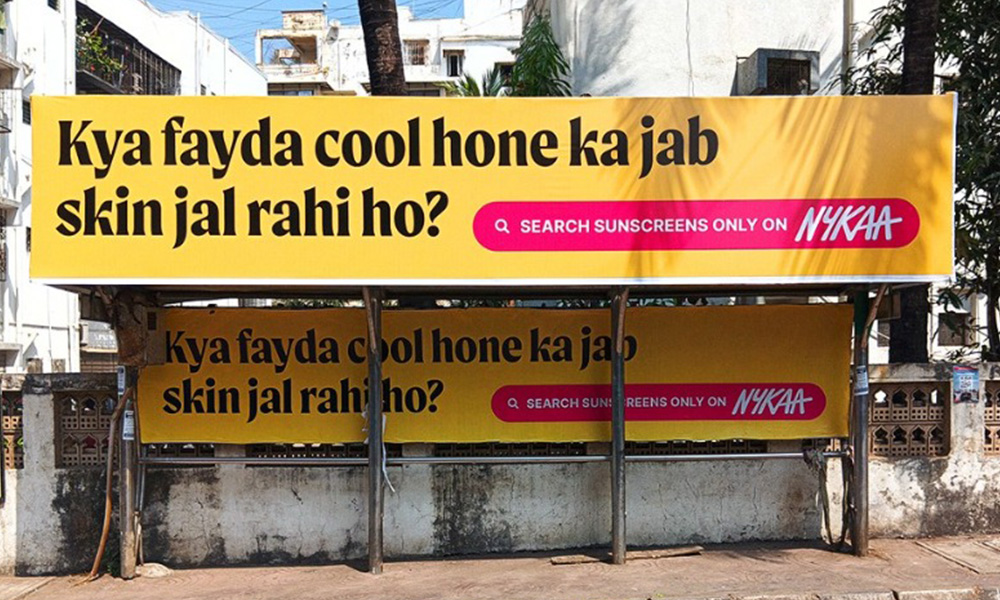
Contextual OOH can make a message more meaningful by connecting it to something the audience already sees, feels or experiences. A campaign displayed during a particular time of day, in a specific location or around a relevant consumer activity can create a stronger connection than a generic message repeated everywhere.
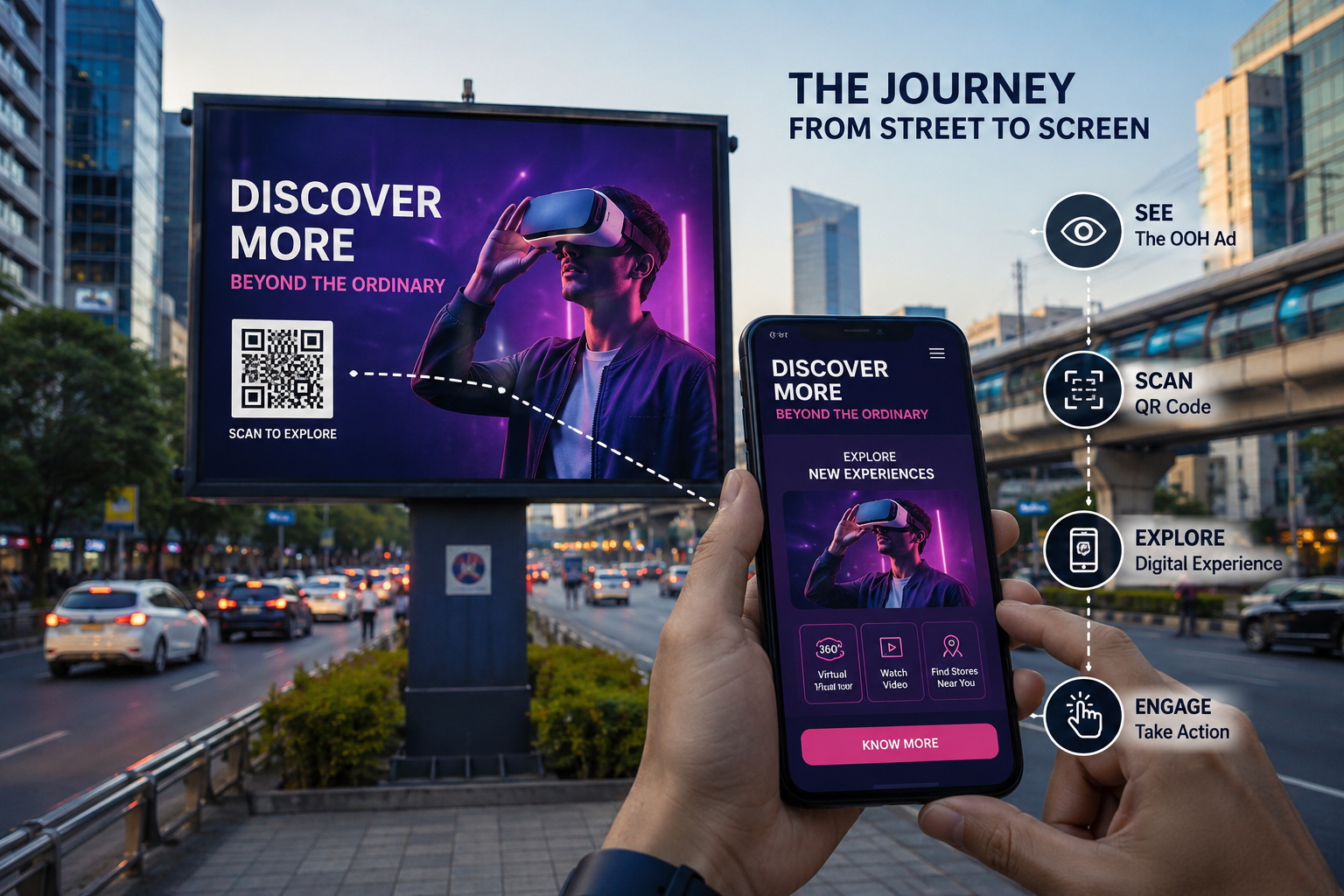
This is particularly powerful when OOH is integrated with DOOH, mobile, social media and other digital channels. Data can help brands understand audience movement and behaviour, while dynamic creative can enable communication to respond to changing circumstances.