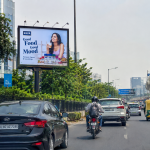
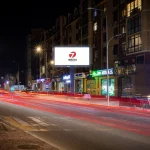
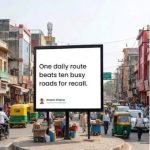


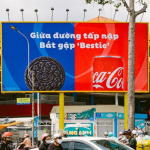


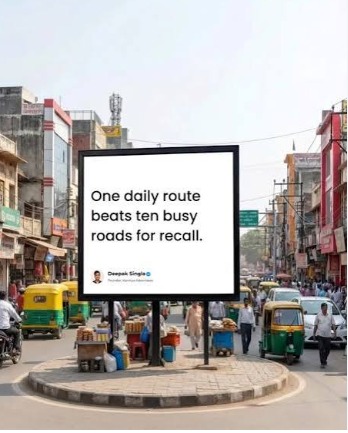
Outdoor advertising becomes more powerful when consumers encounter a brand consistently across different points of their daily journey. The Visual Continuity Effect describes how maintaining a recognisable brand presence across multiple OOH touchpoints can help create familiarity and strengthen visual recognition.
Instead of depending on one billboard or one isolated placement, brands can build a connected presence through carefully selected locations. This makes the campaign feel consistent as audiences move through streets, commercial districts, transit corridors and neighbourhoods.
Creating Consistency Across Consumer Journeys
People rarely experience a city from one fixed location. Their daily movement may include residential areas, workplaces, shopping destinations, transport hubs and entertainment zones.
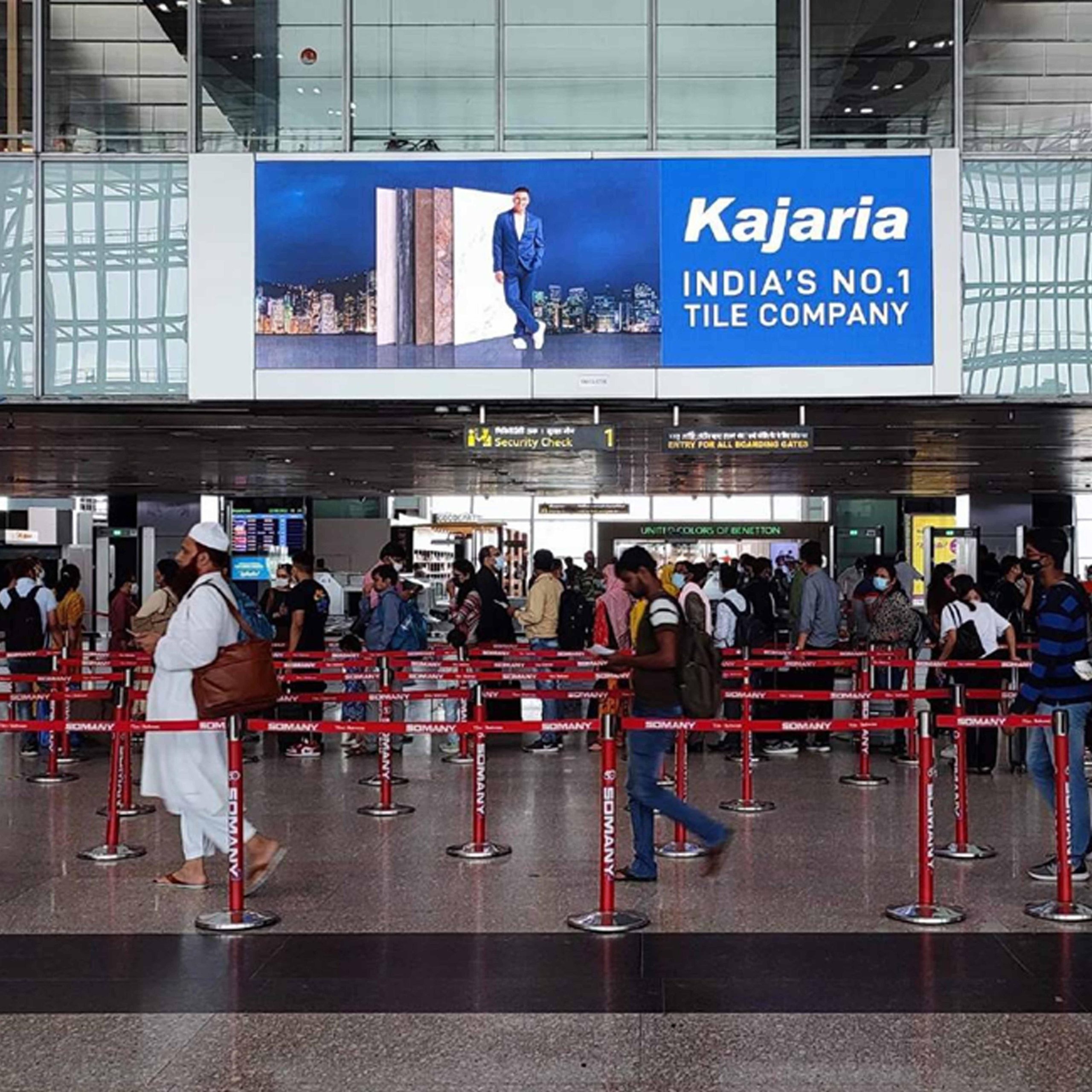
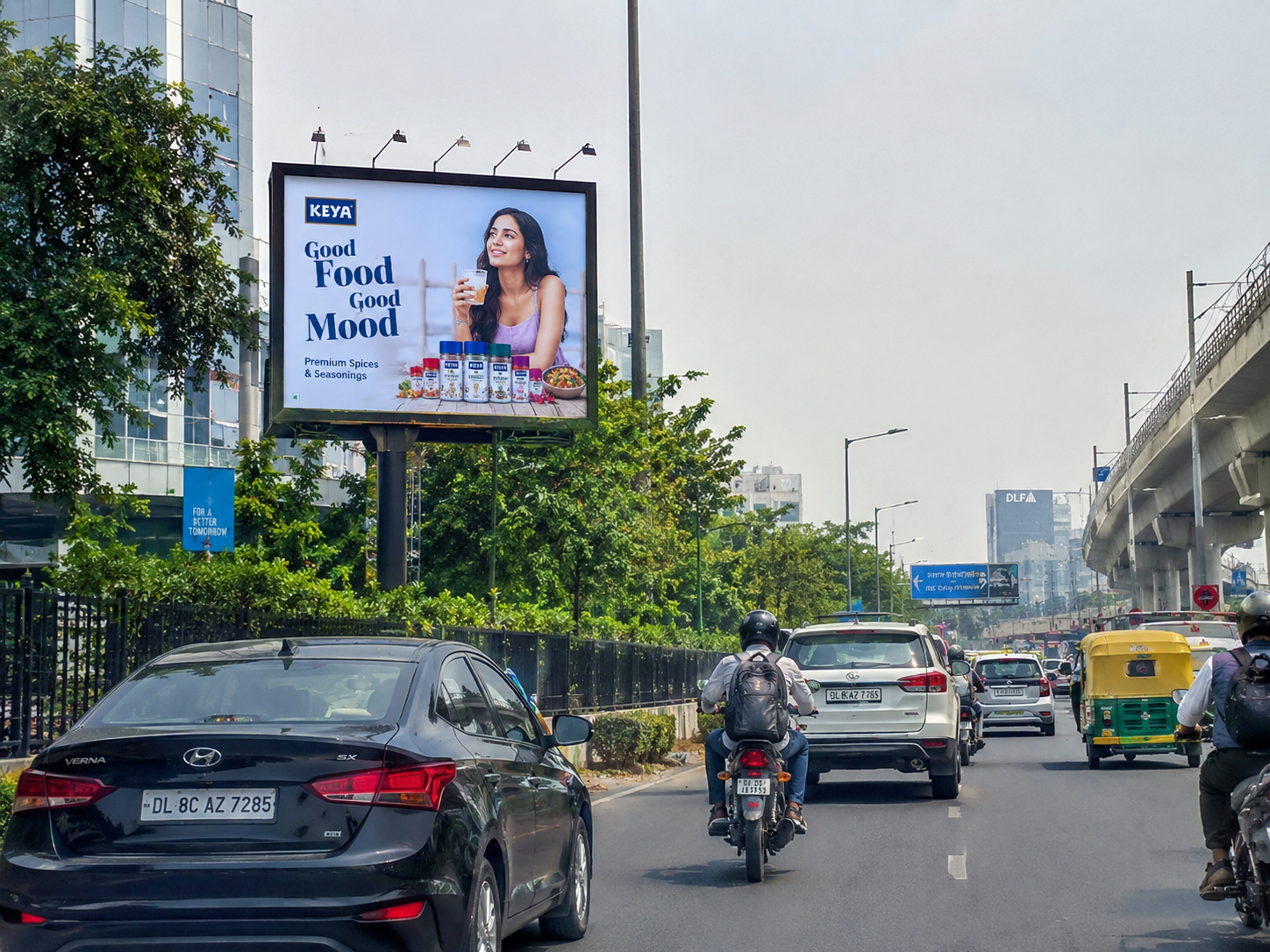
OOH can follow these natural movements through strategically positioned media. A consumer may first see a brand on a roadside billboard, encounter the same visual identity on a DOOH screen and later notice it near a retail destination.
When the creative language remains consistent, each exposure contributes to the same brand story. The campaign therefore becomes a connected visual experience rather than a collection of unrelated advertisements.
Why Repeated Visibility Matters
Repetition is an important part of outdoor advertising. A single exposure may create awareness, but repeated encounters can make the brand increasingly familiar.
Consistent colours, imagery, typography, messaging and product presentation can help audiences recognise the campaign more quickly when they see it again. This is particularly valuable for brands competing in crowded categories where consumers are exposed to numerous messages every day.
The objective is not simply to occupy more advertising space. It is to create recognisable continuity across the spaces consumers already travel through.
Connecting Different OOH Formats
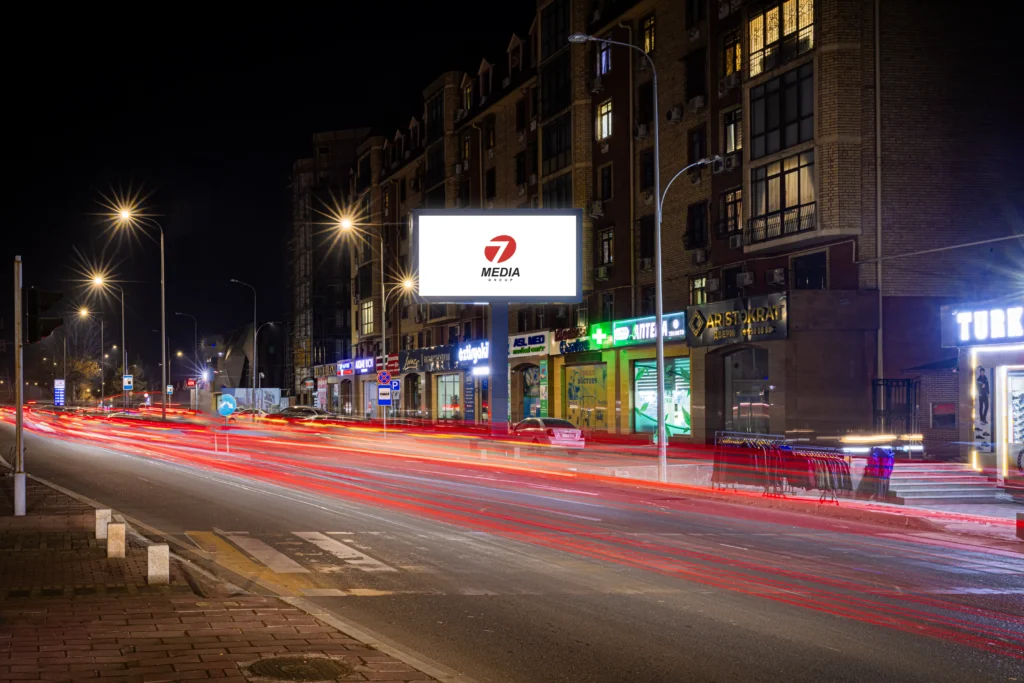
Visual continuity can work across multiple formats, including traditional hoardings, unipoles, bus shelters, metro branding, transit advertising and DOOH screens.
Each format can perform a different role while maintaining the same campaign identity. Large-format media can establish visibility, while smaller or dynamic formats can reinforce the message closer to commercial or transit environments.
This creates a layered OOH strategy in which different media touchpoints work together.
Building a Stronger Urban Brand Footprint
A well-planned OOH campaign can become part of the visual environment of a city. When consumers repeatedly encounter the same brand across their everyday routes, the advertising gains continuity and presence.
The Visual Continuity Effect therefore highlights an important OOH principle: brands do not always need one dominant advertising moment. A connected sequence of recognisable exposures can create a more consistent presence throughout the consumer journey.