


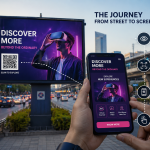
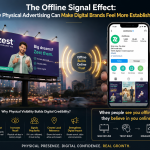
The Attention Transfer Effect: How OOH Can Move Consumers From the Street to the Screen??

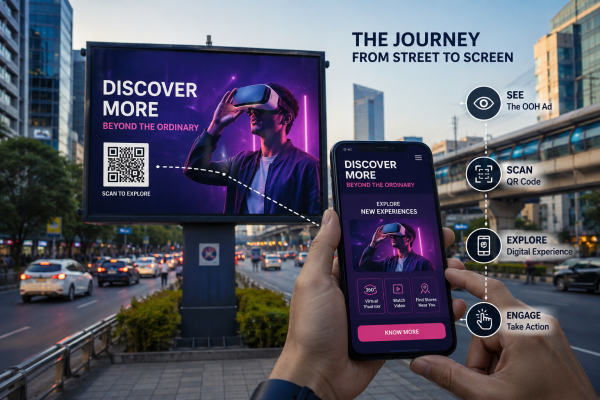
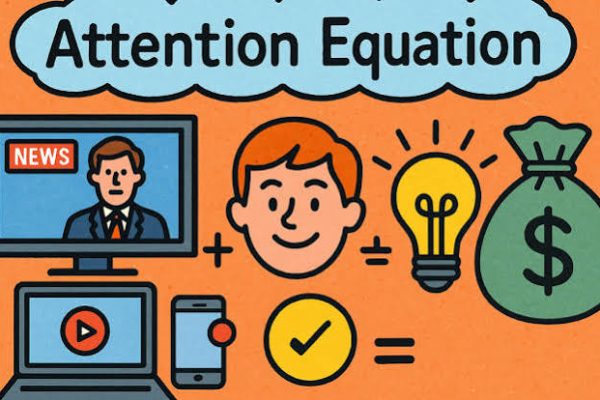
The real opportunity in modern OOH advertising begins when a physical impression does not end with visibility. Consumers today move continuously between physical and digital environments. They may notice a billboard while travelling, see a digital screen while waiting at an airport, encounter a branded cab on the road, or pass a transit advertisement on…

Read Full News
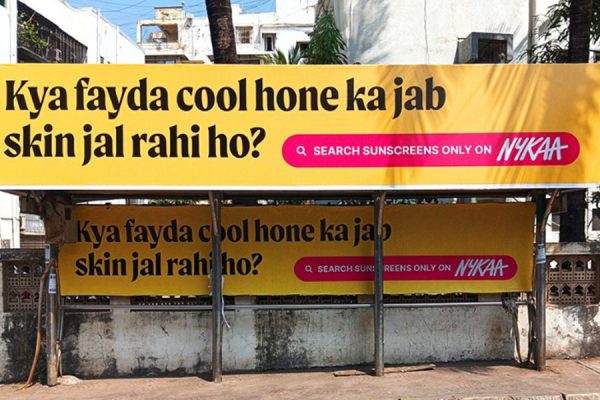
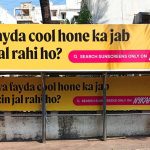
Nykaa OOH campaign

The Brand Familiarity Gap: Why Consumers Often Need to See a Brand Before They’re Ready to Choose It??

Consumers don’t always choose the first brand they discover. In most categories, people encounter a brand several times before it becomes familiar enough to enter their consideration set. This distance between first exposure and purchase consideration can be described as the brand familiarity gap. For marketers, closing this gap is about more than generating attention….

Read Full News

The Visual Handoff Effect: How OOH Can Transfer a Brand Message From One Physical Touchpoint to Another??

Outdoor advertising is often planned as a collection of individual media placements. A billboard has its own objective, a metro campaign has another, and a mall execution may be treated separately. But consumers experience these formats differently. They move between physical environments throughout the day, carrying visual memories from one location into the next. The…

Read Full News

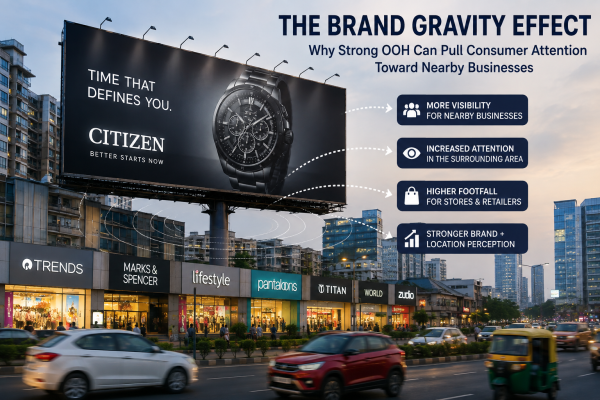
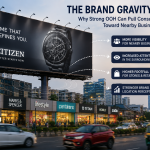
The Brand Gravity Effect: Why Strong OOH Can Pull Consumer Attention Toward Nearby Businesses??

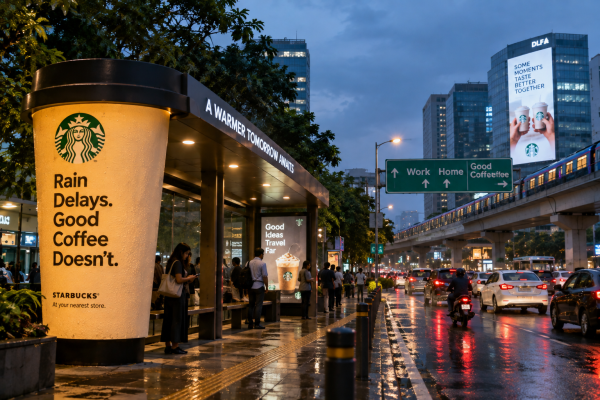
The Brand Gravity Effect in OOH Advertising Outdoor advertising has traditionally been measured through reach, frequency, visibility, and impressions. But an impactful campaign can create another layer of influence: it can make its surrounding location more noticeable. A large-format billboard positioned near a busy retail area, a striking building wrap around a commercial district, or…

Read Full News

The Context Carryover Effect: How OOH Advertising Can Make a Brand Relevant Before Consumers Know They Need It??

What Is the Context Carryover Effect? Every physical environment carries a certain meaning. Airports suggest travel, business districts suggest work, malls suggest shopping, hospitals suggest healthcare and residential communities suggest everyday living. When an OOH advertisement appears within these environments, the surrounding context can influence how consumers interpret the message. This creates an opportunity for…

Read Full News

The Context Transfer Effect: Why the Same OOH Creative Can Mean Something Completely Different in Different Places??

A powerful OOH campaign is not only about what a consumer sees, but where they see it. The same creative can communicate luxury in one environment, convenience in another and urgency somewhere else. This happens because consumers naturally connect advertising messages with the environment around them. For brands, understanding this relationship can turn a standard…

Read Full News

The Route Ownership Effect: How Brands Can Turn Everyday Consumer Journeys Into Long-Term Brand Assets??

Everyday consumer journeys are becoming valuable spaces for brands to build repeated visibility and stronger recall. The Route Ownership Effect explains how strategically placed OOH advertising can make a brand feel like a familiar part of a consumer’s daily commute. Instead of relying on one billboard or one location, brands can create a connected presence…

Read Full News