





The Brand Gravity Effect in OOH Advertising
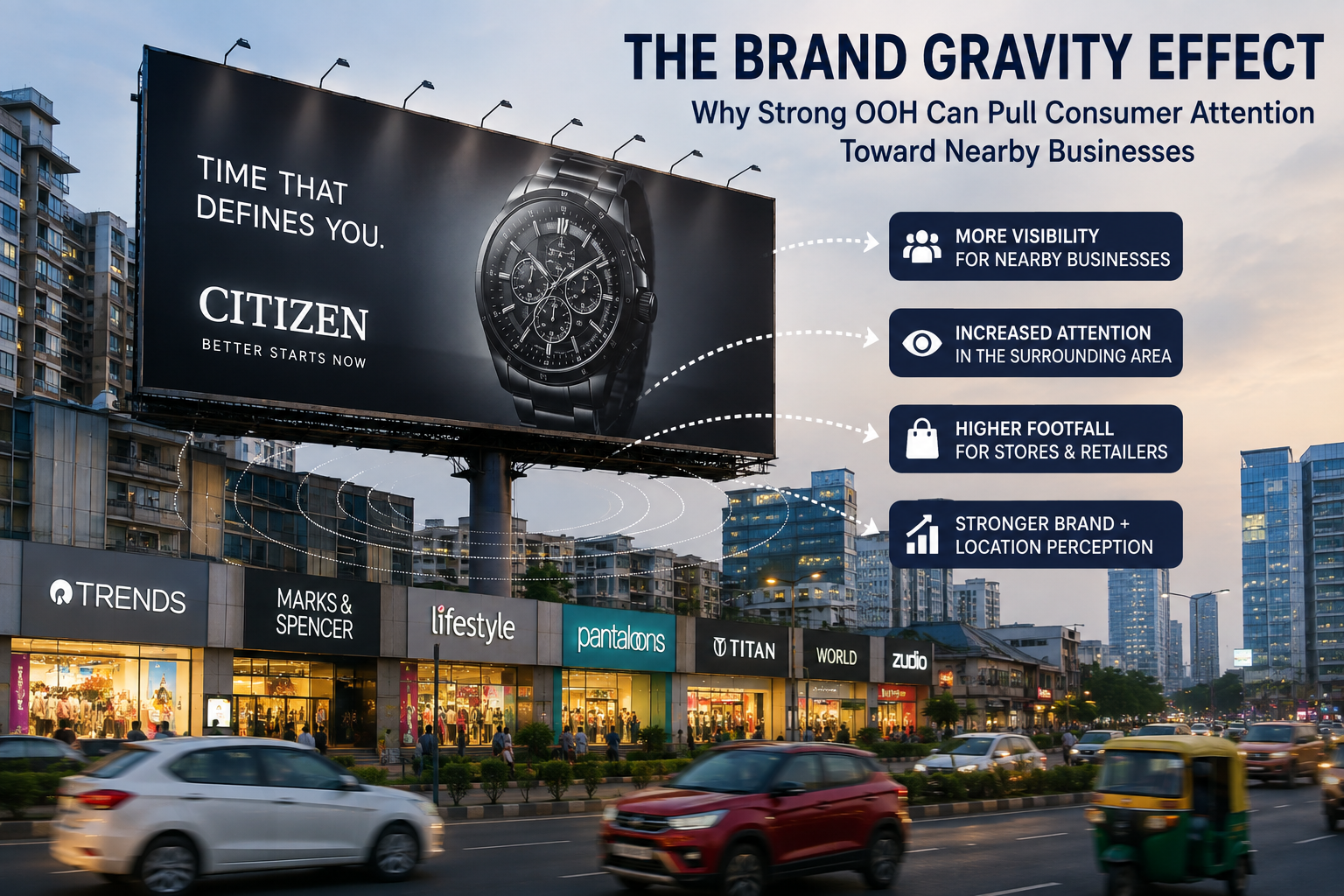
Outdoor advertising has traditionally been measured through reach, frequency, visibility, and impressions. But an impactful campaign can create another layer of influence: it can make its surrounding location more noticeable.
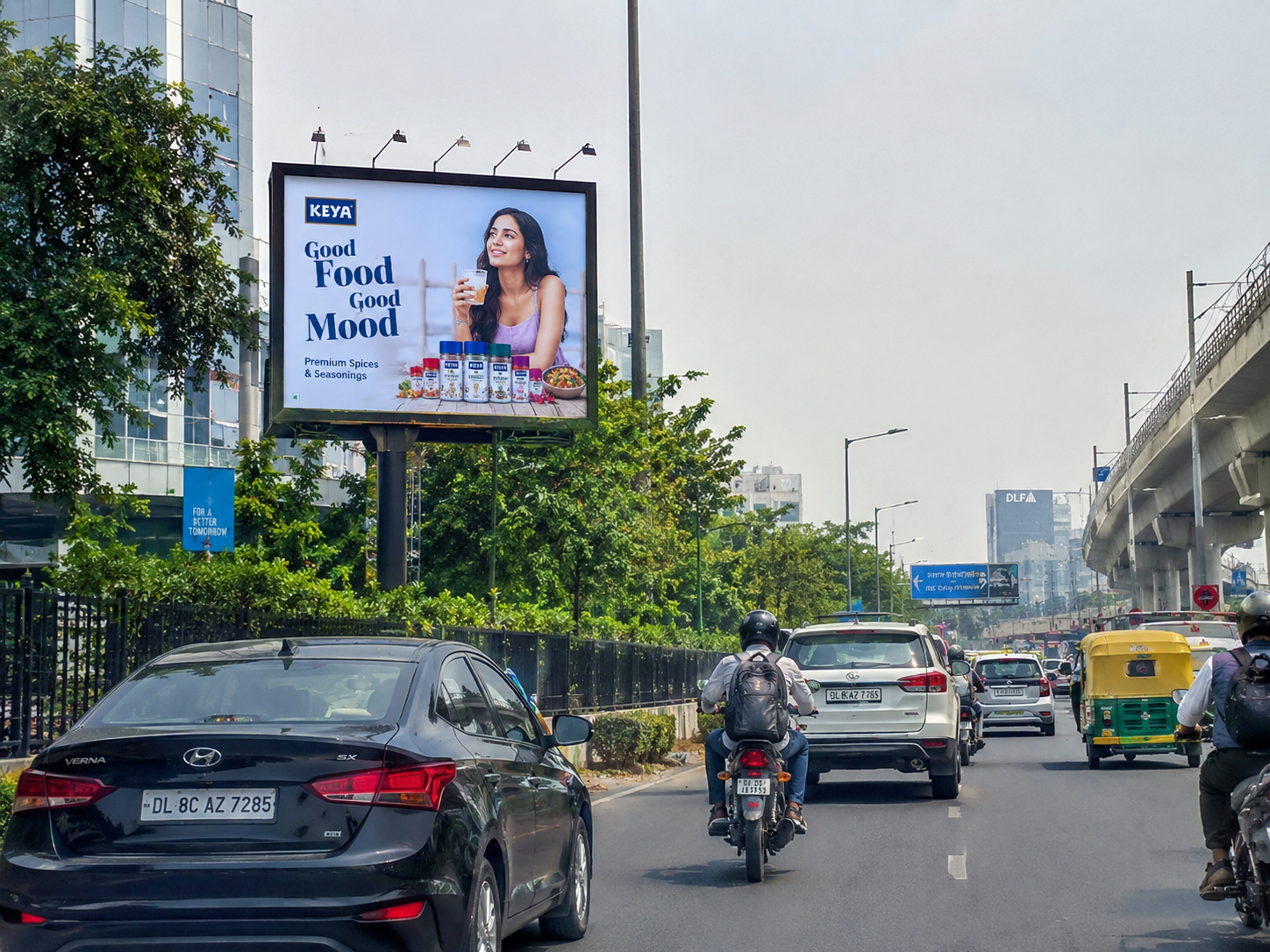
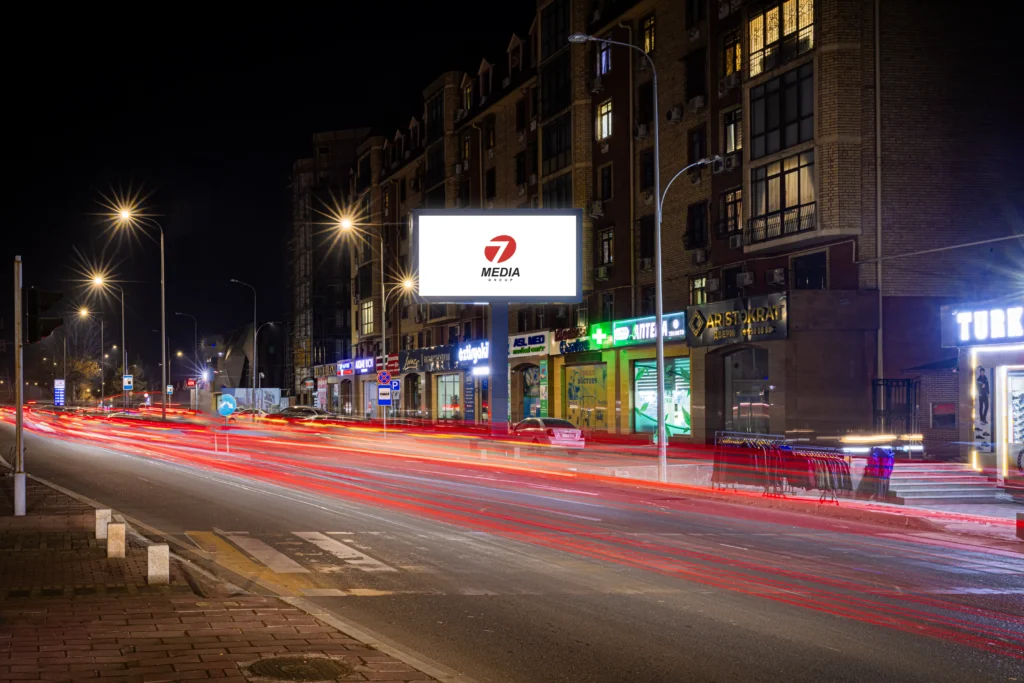
A large-format billboard positioned near a busy retail area, a striking building wrap around a commercial district, or an innovative transit execution at a high-footfall location can become a visual landmark. People begin associating the location with the campaign, and that association can influence how they perceive everything around it.
This is where the Brand Gravity Effect becomes important for modern marketers.
How Strong OOH Creates Location Influence
Consumers do not experience advertisements in isolation. They see advertising while travelling, shopping, commuting, walking, waiting, and exploring.
When an OOH campaign stands out within that environment, it can create a visual focal point. Nearby businesses and destinations may consequently receive additional attention simply because they exist within the same visual journey.
For example, a highly creative billboard outside a shopping district can encourage people to notice the surrounding retail environment. Similarly, an innovative campaign near a dealership can make the entire area feel more commercially active and branded.
The advertisement becomes more than media space—it becomes part of the location’s identity.
Turning OOH Into a Commercial Ecosystem
The biggest opportunity for marketers is to think beyond individual media assets.
Instead of asking only, “How many people will see this billboard?”, brands can ask:
“What does this location look and feel like when our campaign owns the environment?”
This approach can help brands select sites based on more than traffic numbers. Surrounding retailers, consumer movement, proximity to dealerships, shopping destinations, offices, metro stations, and high-footfall intersections can all become strategic considerations.
A well-planned OOH campaign can therefore contribute to a broader commercial ecosystem.
Why Location Context Matters
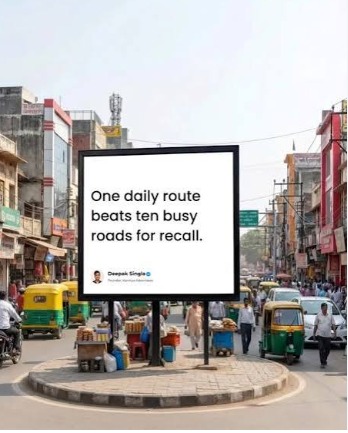
The same creative can produce different outcomes depending on where it appears.
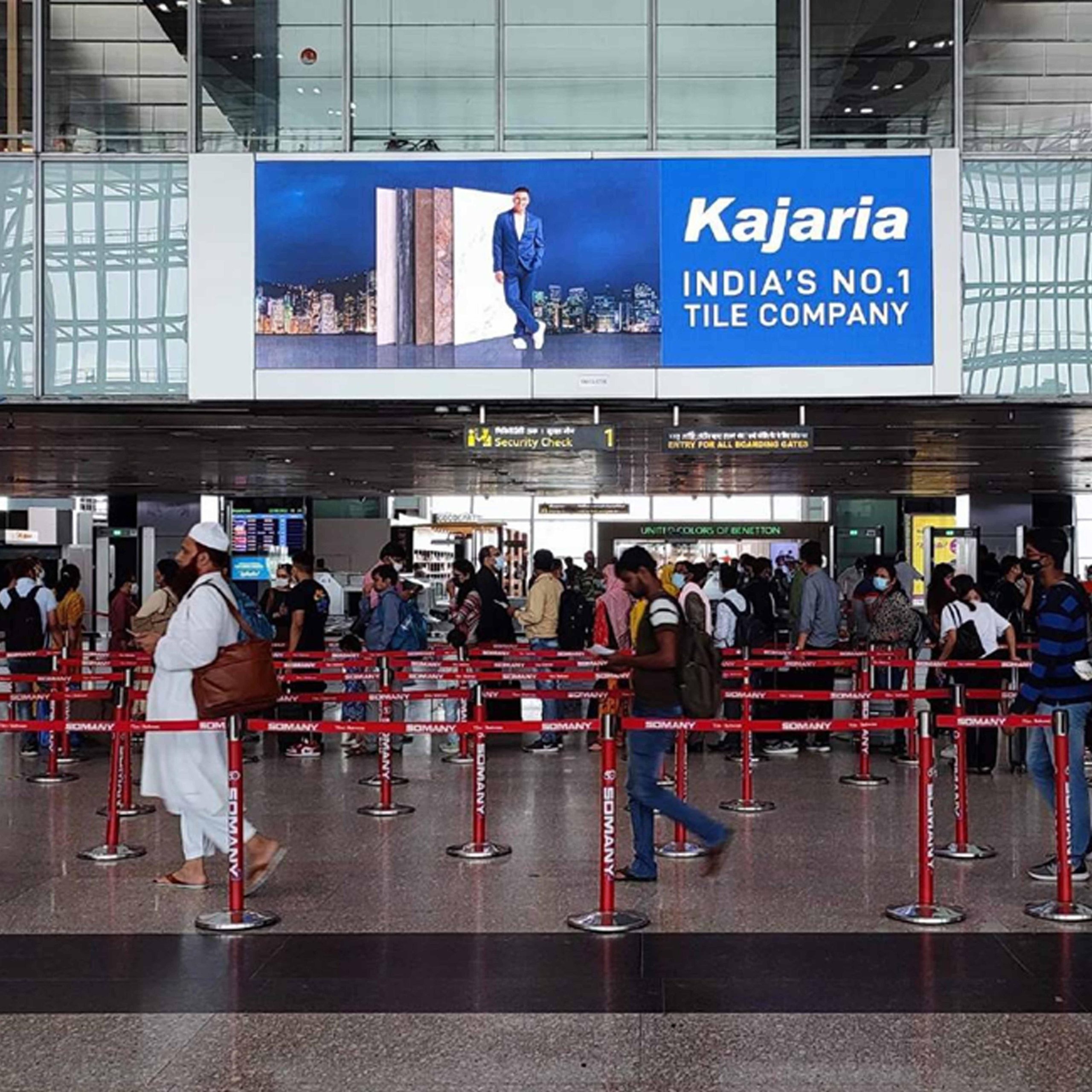
A billboard positioned beside a premium retail destination communicates differently from one placed on an isolated highway. An airport campaign operates within a different consumer mindset than advertising near a residential community.
This makes location context a critical part of OOH strategy.
When creative relevance, placement, audience movement, and surrounding businesses align, outdoor advertising can create a stronger overall presence than a standalone media placement.