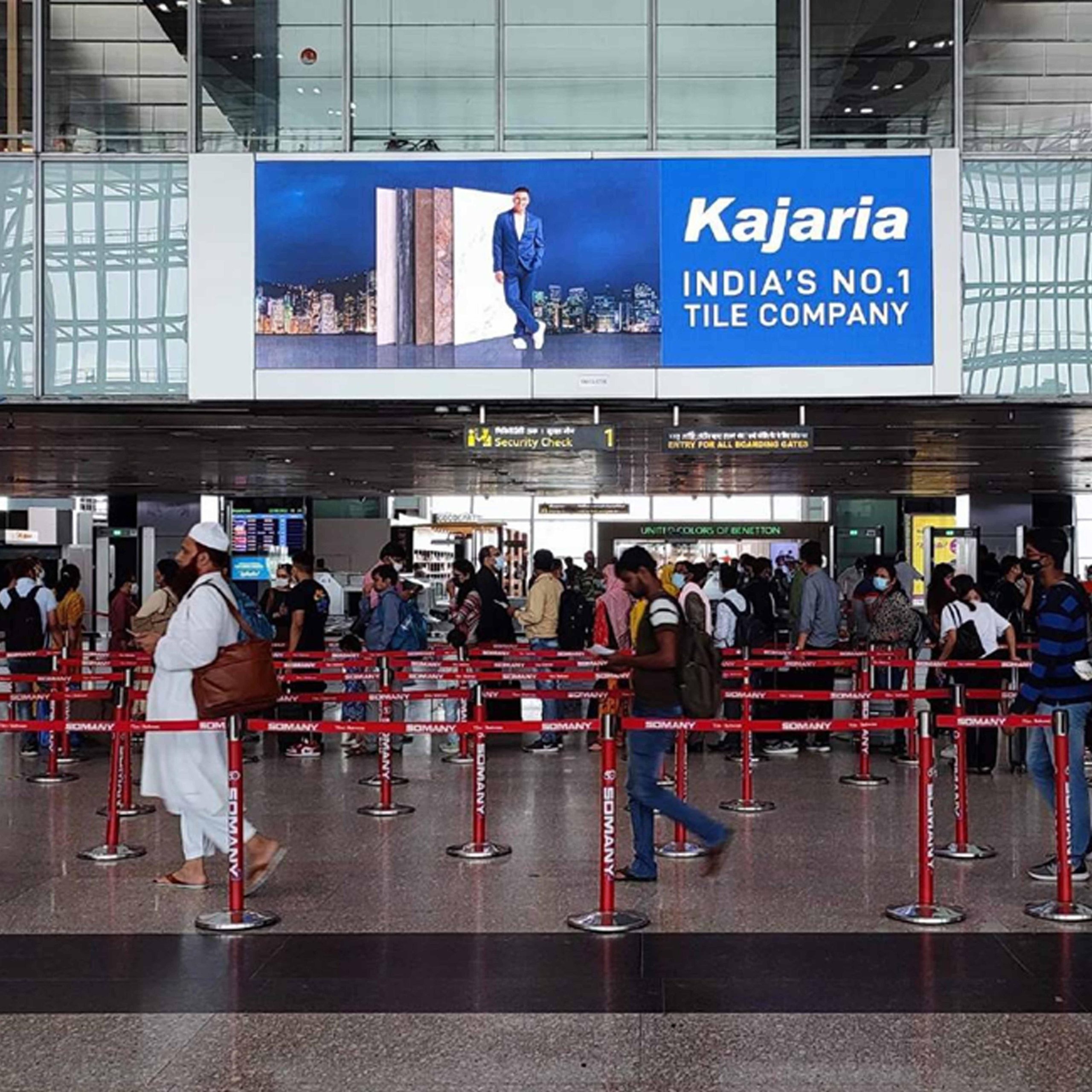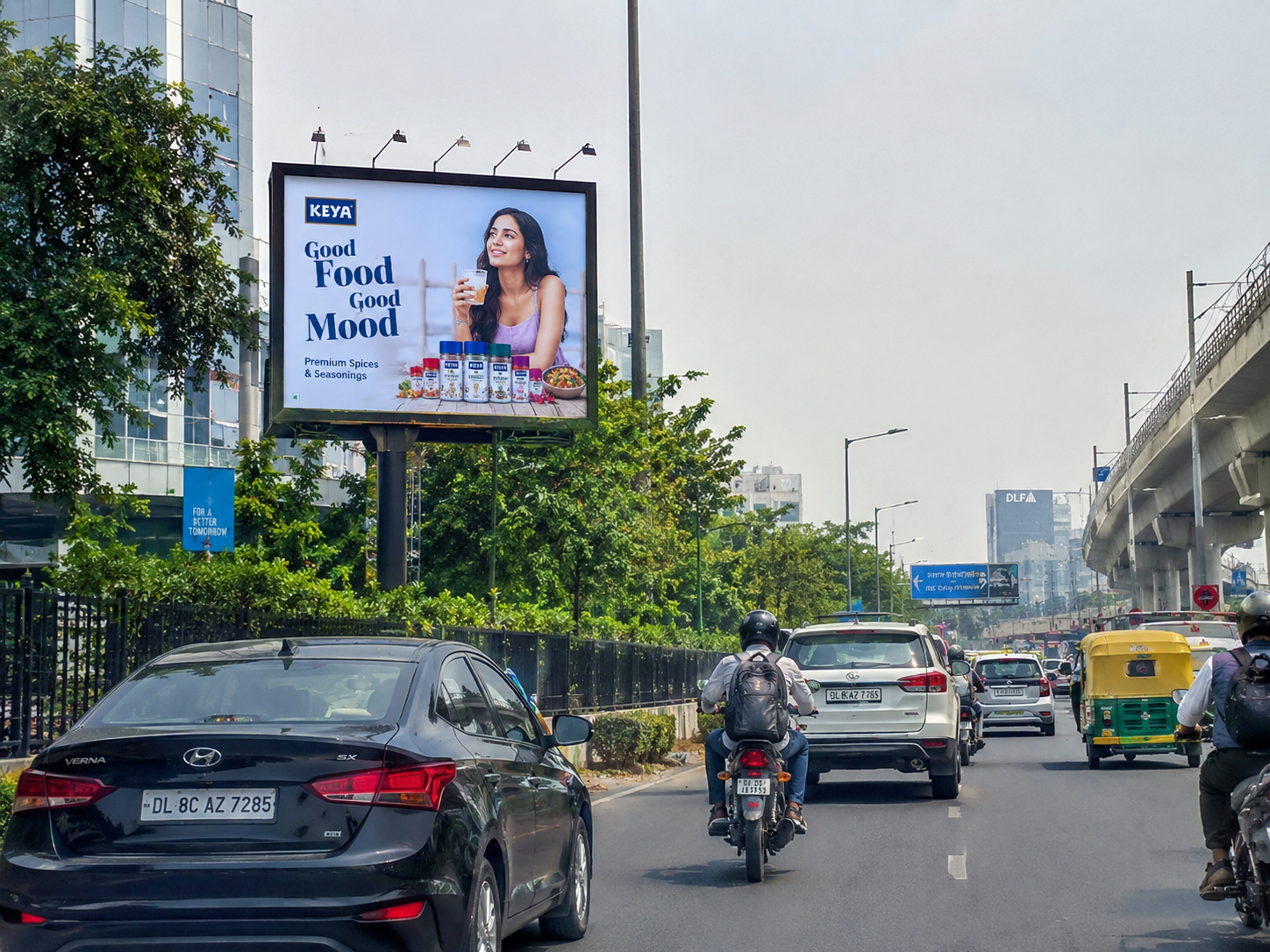
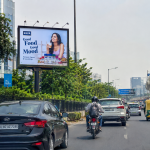
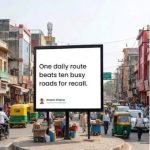


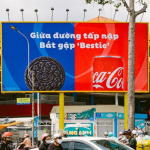
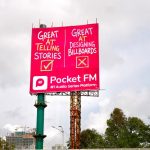

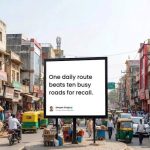
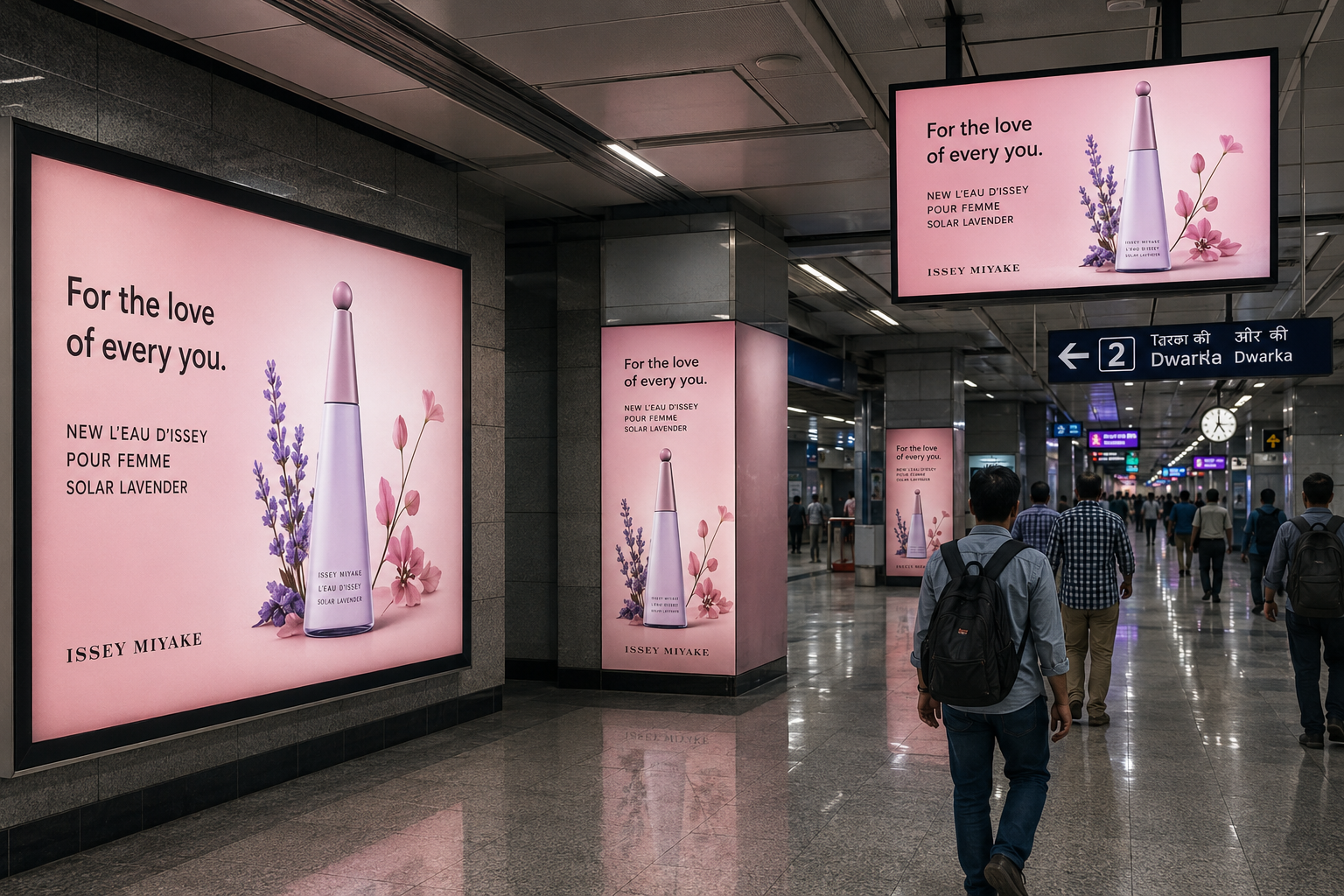
Outdoor advertising is often planned as a collection of individual media placements. A billboard has its own objective, a metro campaign has another, and a mall execution may be treated separately.
But consumers experience these formats differently. They move between physical environments throughout the day, carrying visual memories from one location into the next.
The Visual Handoff Effect describes what happens when a brand deliberately designs these different encounters as connected experiences. A visual element, colour system, product image, brand asset, message style, or creative idea introduced at one touchpoint can make the next advertisement easier to recognize.
The result is a more connected OOH experience.
From Individual Impressions to a Connected Journey
Imagine a consumer seeing a large-format billboard while travelling to work. Later, the same person encounters the brand inside a metro station. In the evening, they notice the brand again on a digital screen at a shopping centre.
Each exposure may last only a few seconds. However, the consistent visual cues can create continuity between those moments.
The consumer does not necessarily need to consciously remember every advertisement. Recognition can happen through repeated visual signals.
This gives marketers an opportunity to build OOH campaigns around sequences rather than isolated placements.
Why Creative Consistency Matters
Creative consistency does not mean placing the exact same advertisement everywhere.
Instead, brands can maintain a common visual thread while adapting the execution to each environment.
A highway billboard may use a simple product-led visual. A metro panel can develop the same idea through a shorter message. A digital screen can introduce movement, while a retail installation can complete the story with a stronger product or purchase-oriented message.
The creative changes according to the medium, but the underlying brand identity remains recognizable.
Designing OOH Around Consumer Movement
The strongest opportunity lies in planning media around how people physically move through a city.
A consumer may first see a brand while commuting, encounter another message near their workplace, notice the brand while shopping, and finally see it near a retail destination.
When these encounters are strategically connected, the brand can become familiar across multiple environments.
This transforms OOH from a collection of media assets into a connected physical media network.