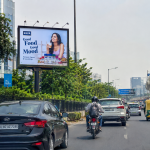
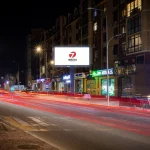
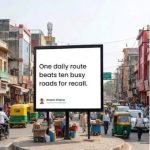

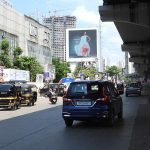
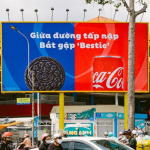
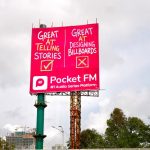

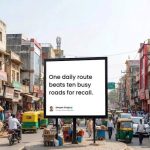
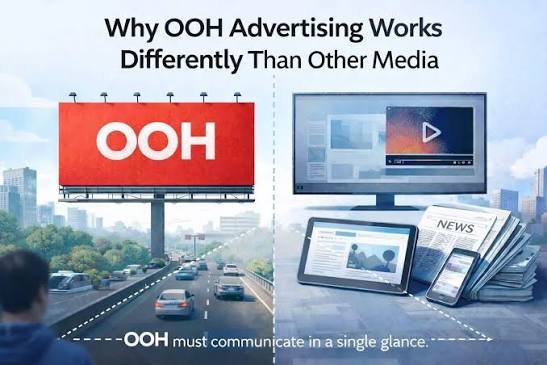
A powerful OOH campaign is not only about what a consumer sees, but where they see it. The same creative can communicate luxury in one environment, convenience in another and urgency somewhere else. This happens because consumers naturally connect advertising messages with the environment around them. For brands, understanding this relationship can turn a standard media placement into a much more meaningful brand experience.
The Environment Becomes Part of the Message
Unlike digital advertising, OOH exists within a physical environment. Consumers see a campaign while driving through a business district, entering a mall, waiting at a metro station or travelling through an airport.
That environment creates an additional layer of meaning.
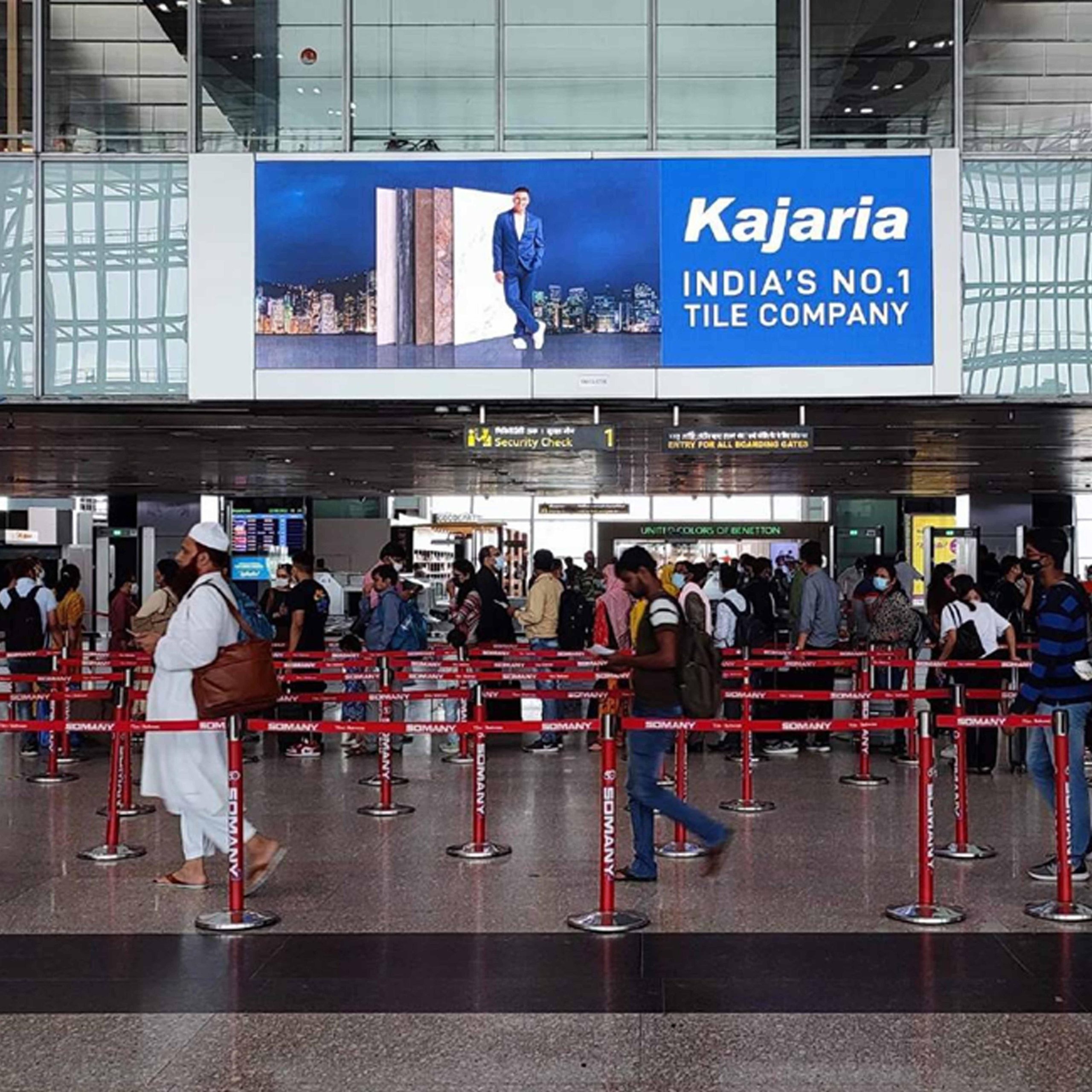
A premium fashion campaign at an airport can feel aspirational and global. The same campaign near a luxury shopping destination can create a stronger association with style and purchase intent. The creative has not changed, but the consumer context has.
Why Context Changes Consumer Perception
Consumers interpret advertising through the situation they are currently experiencing. Their destination, activity, mood, surroundings and purpose of travel can all influence how they perceive a brand message.
Consider a real estate campaign. A billboard positioned near a rapidly developing residential corridor can create a stronger sense of opportunity and proximity. The same campaign placed in a corporate district may communicate investment, ambition and connectivity.
This makes contextual OOH advertising an important consideration for modern media planning.
Moving Beyond Traffic and Impressions
OOH planning has traditionally focused on metrics such as traffic volume, visibility and estimated reach. These remain important, but brands can create greater impact by asking another question:
What does this location add to the meaning of our creative?
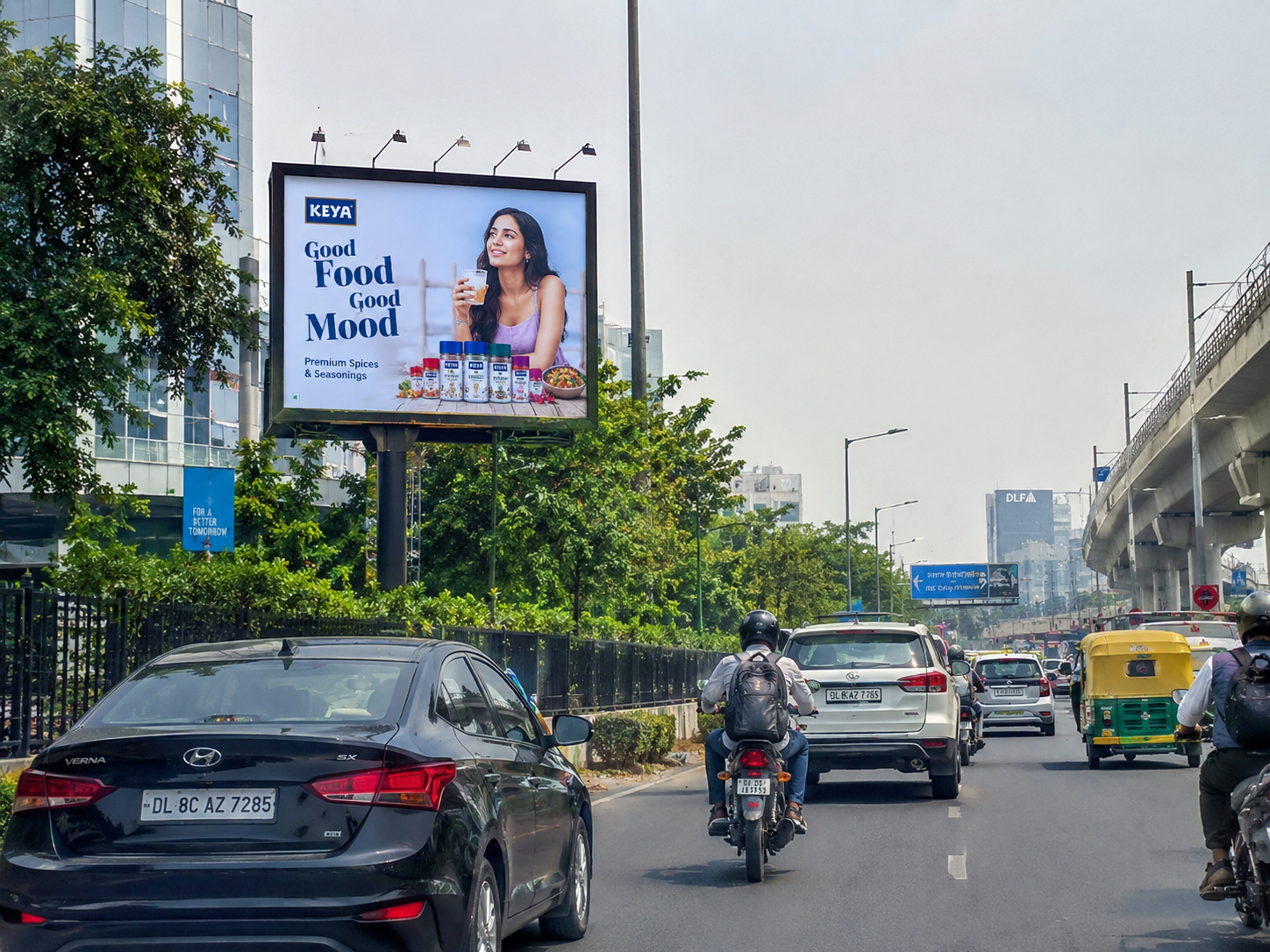
A highway can communicate movement and scale. An airport can represent aspiration and travel. A metro corridor can create frequency and everyday relevance. A mall can bring the message closer to purchase behaviour.
The location itself becomes a silent extension of the campaign.