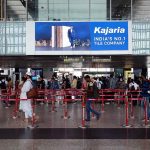
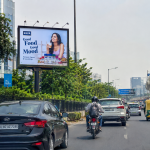
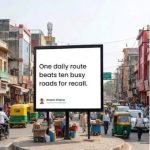

In today’s digital-first world, many brands assume that online reach alone is enough to maintain market leadership. Yet one of the biggest reasons brands lose market share is surprisingly simple: consumers stop seeing them in the physical world. When a brand disappears from roads, retail markets, transit routes, malls, airports, and neighborhood environments, it gradually loses familiarity. And when familiarity declines, purchase preference often follows.
Physical visibility is not just about awareness. It is about remaining present in the environments where people live, travel, shop, and make decisions.
Why visibility influences market share
Consumers rarely evaluate every brand from scratch. They rely on memory, familiarity, and mental availability. The brands they see repeatedly in everyday environments become easier to recall when a purchase need arises.
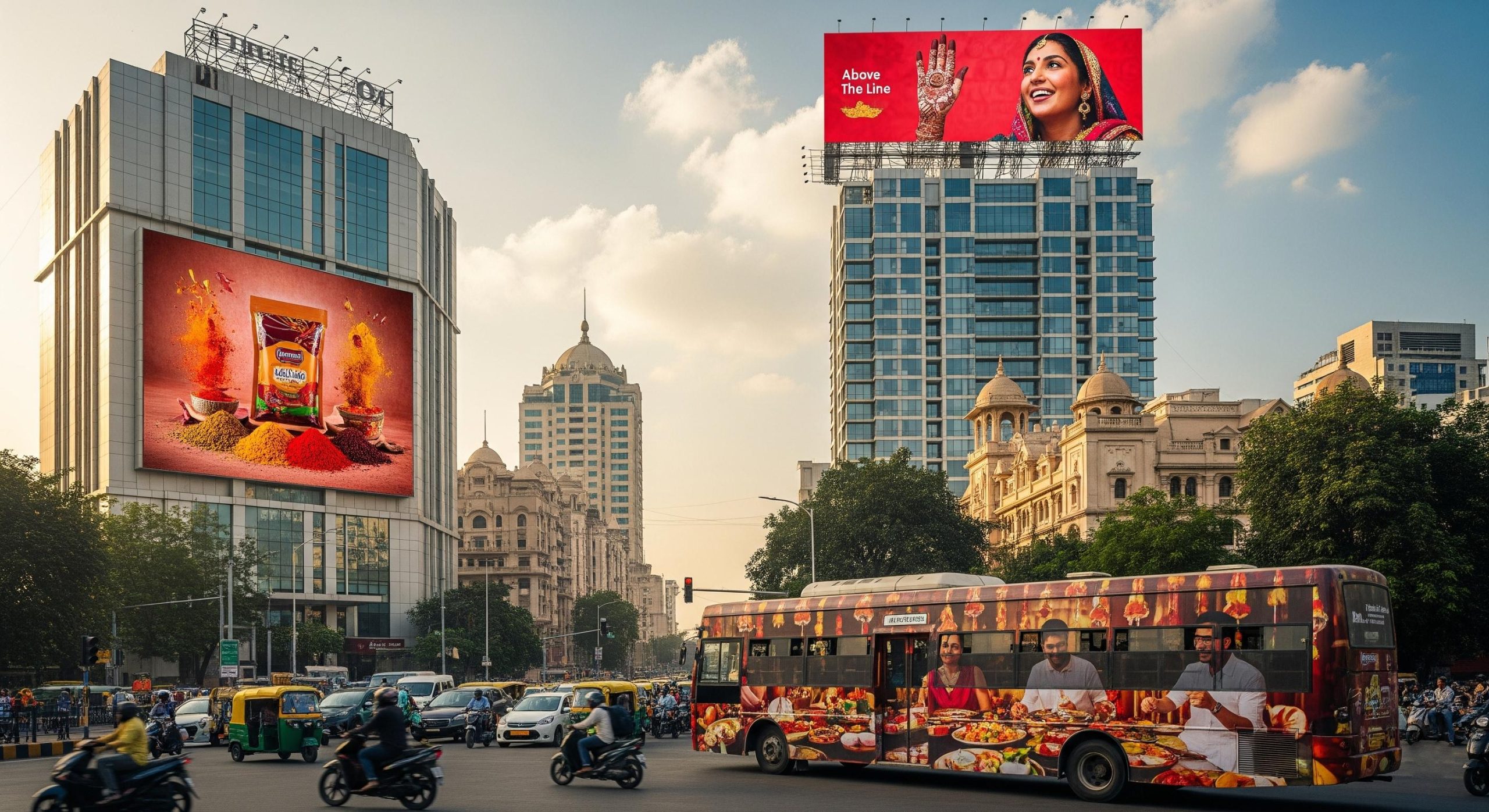
When a competitor maintains strong physical visibility through billboards, transit media, metro advertising, airport branding, dealer boards, or retail OOH, it occupies more mental space in the consumer’s mind. Over time, that visibility advantage can translate into real market share gains.
The hidden cost of disappearing
The danger is that brands often notice declining sales before they notice declining visibility. Reduced physical presence weakens consumer recall, retailer confidence, distributor enthusiasm, and perceived market leadership.
A brand may still have strong digital campaigns, but if consumers rarely encounter it in the real world, it begins to feel less established and less relevant.
Why physical presence still matters
Outdoor advertising reaches consumers during commuting, shopping, traveling, and neighborhood movement. These are repeated, low-distraction moments that build long-term memory. Unlike digital impressions that disappear quickly, physical advertising creates durable familiarity through consistent exposure.