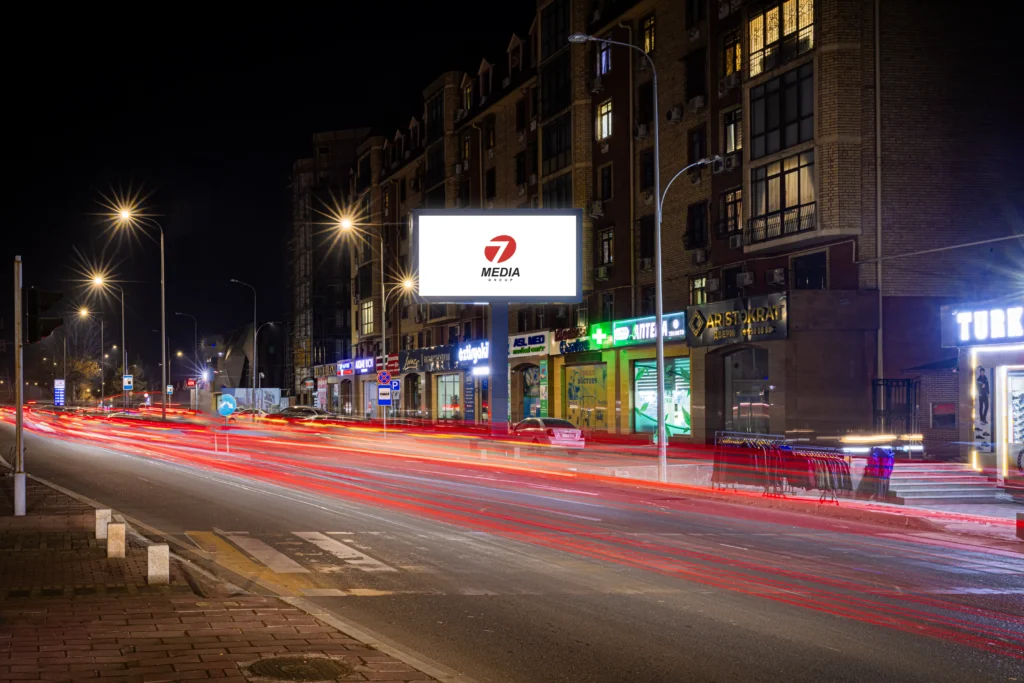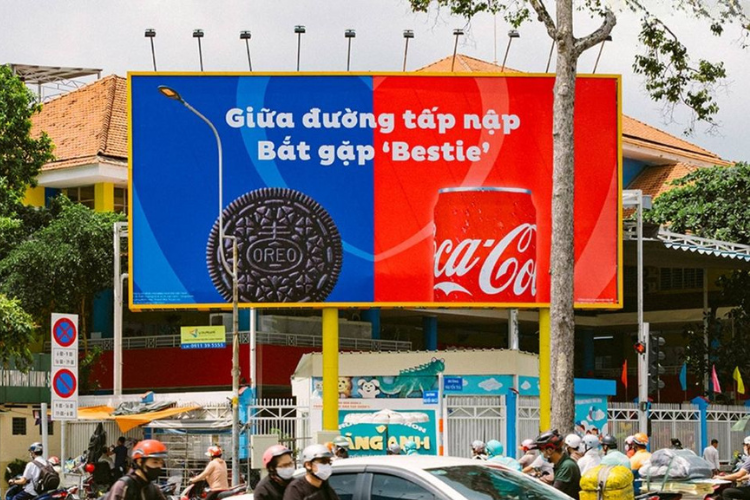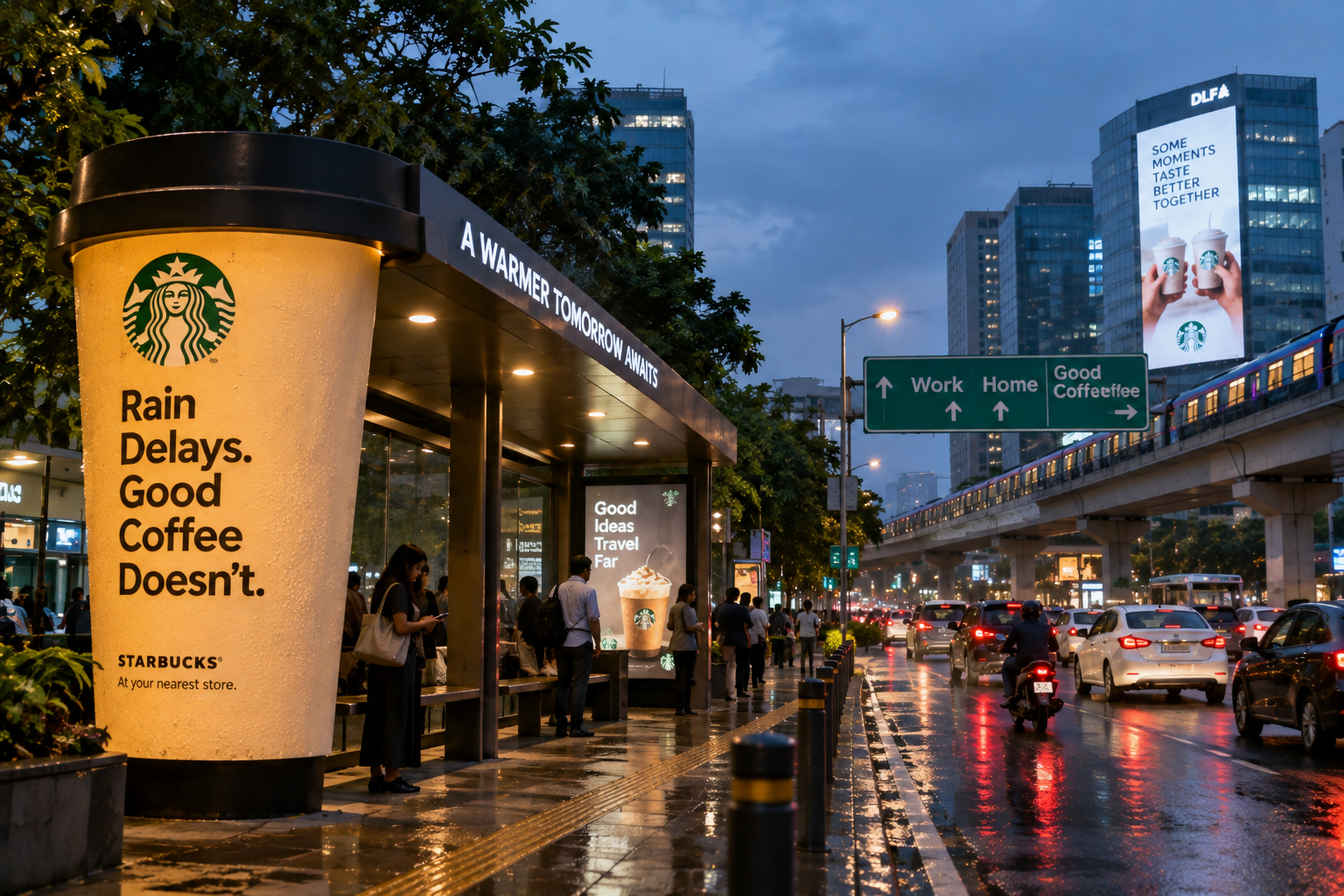




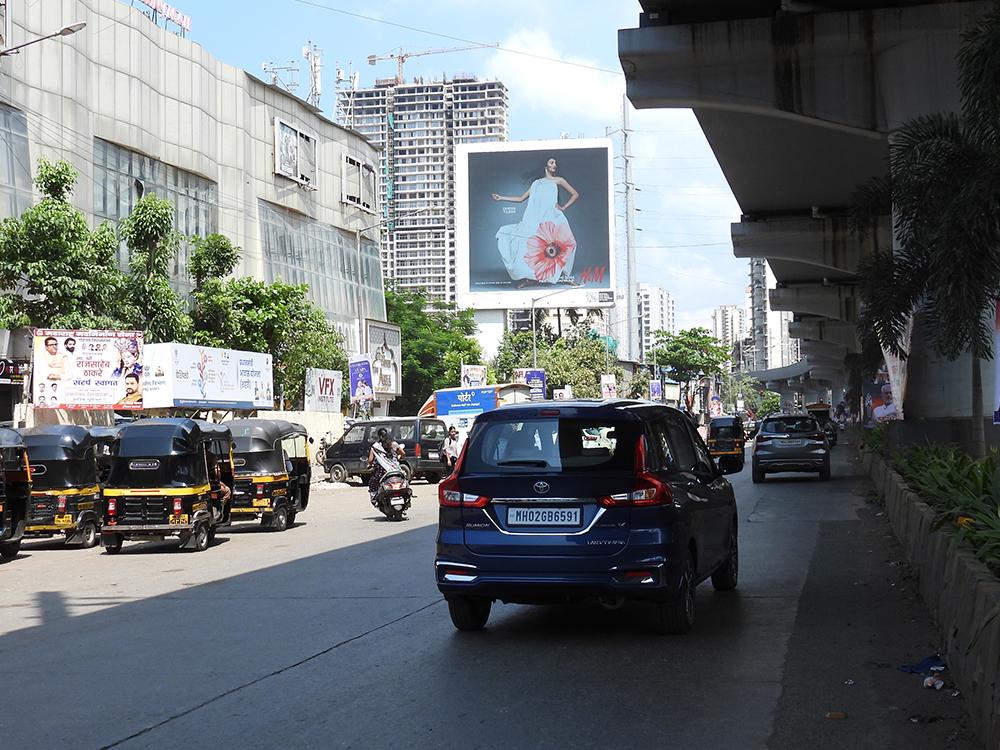
Marketers often measure advertising by clicks, store visits, or immediate sales, but many purchase decisions are influenced much earlier. The brands consumers choose are frequently the brands they have been seeing repeatedly during their everyday commute. Roads, metro stations, airports, flyovers, auto routes, and neighborhood markets create a continuous advertising environment where familiarity is built gradually through repetition.
This is the commute-to-cart connection—the invisible link between daily travel and future shopping behavior.
The commute is a memory-building machine
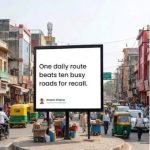
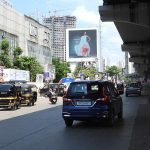
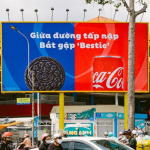
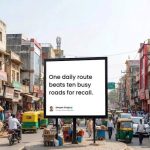
A commuter may travel the same route hundreds of times each year. Along that route, the same billboards, metro panels, transit branding, and retail displays appear again and again. These repeated impressions may not always receive conscious attention, but they are stored in memory. The brain naturally becomes more comfortable with familiar brands, making them easier to recall when a purchase need arises.
This is why OOH advertising often influences decisions that happen hours, days, or even weeks later.
Familiarity becomes preference
When consumers enter a mall, supermarket, dealership, or e-commerce platform, they rarely begin with a completely neutral mindset. Their preferences have already been shaped by repeated exposure. A brand that has become part of the daily commute feels more established and more trustworthy than a brand seen only once online.
This is particularly important for FMCG, automotive, financial services, healthcare, real estate, electronics, and retail brands where trust plays a major role in purchase decisions.
The power of route-level repetition
Unlike isolated advertising placements, OOH campaigns can create continuity across multiple travel touchpoints. A consumer may see the same brand near a metro station, again on a highway, later on an auto-rickshaw, and finally near a retail market. This network of visibility creates stronger mental availability and reinforces brand leadership across the city.