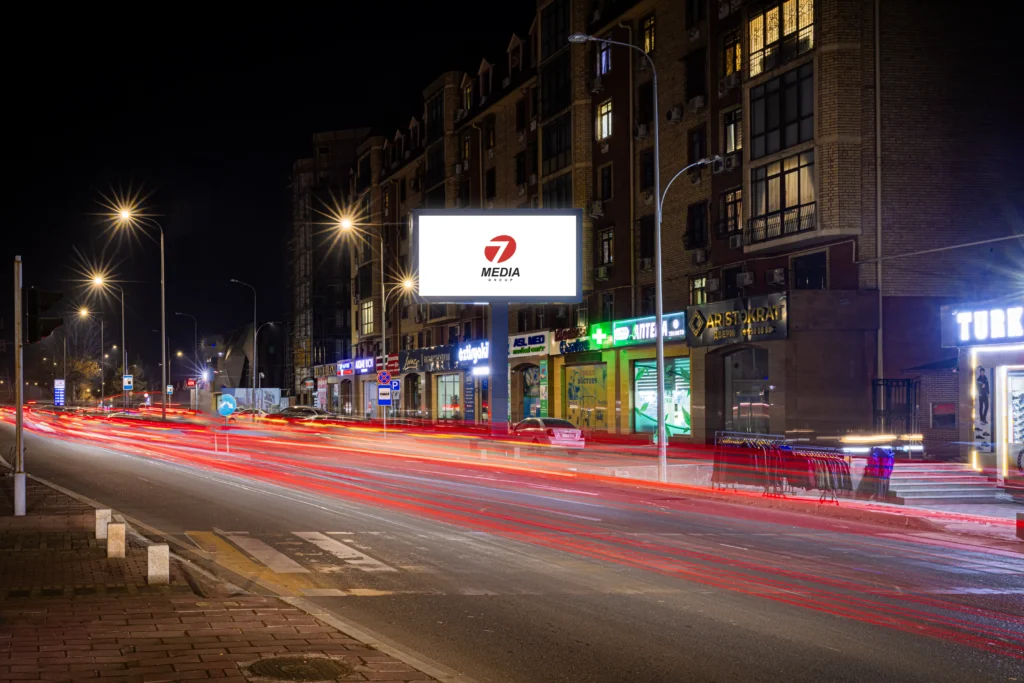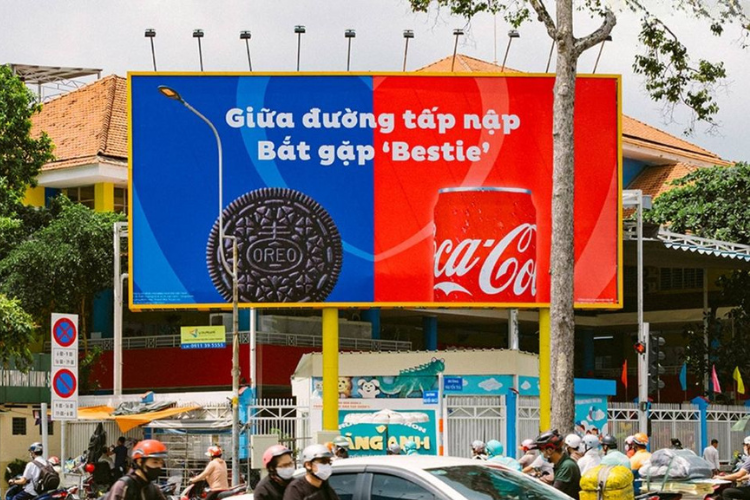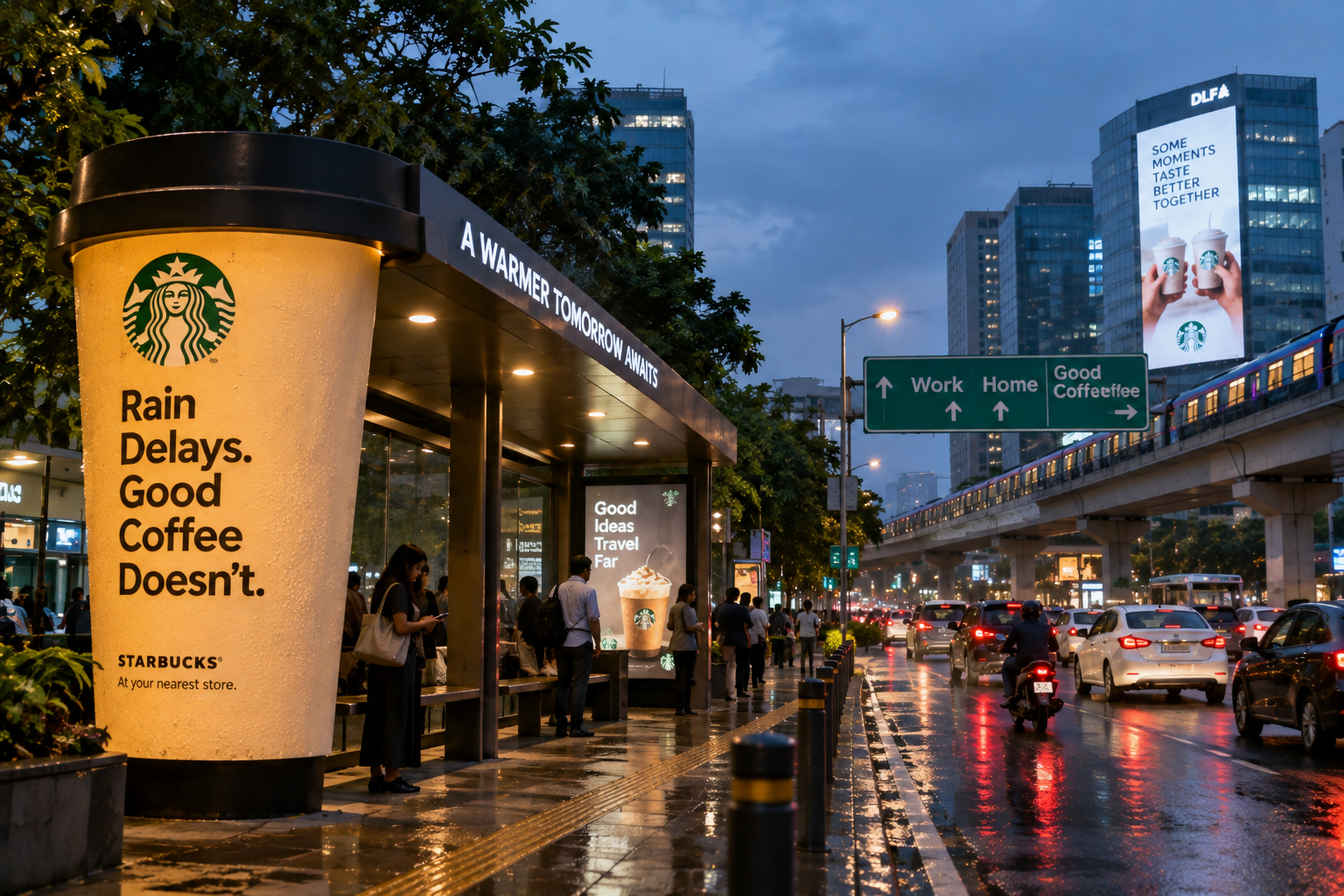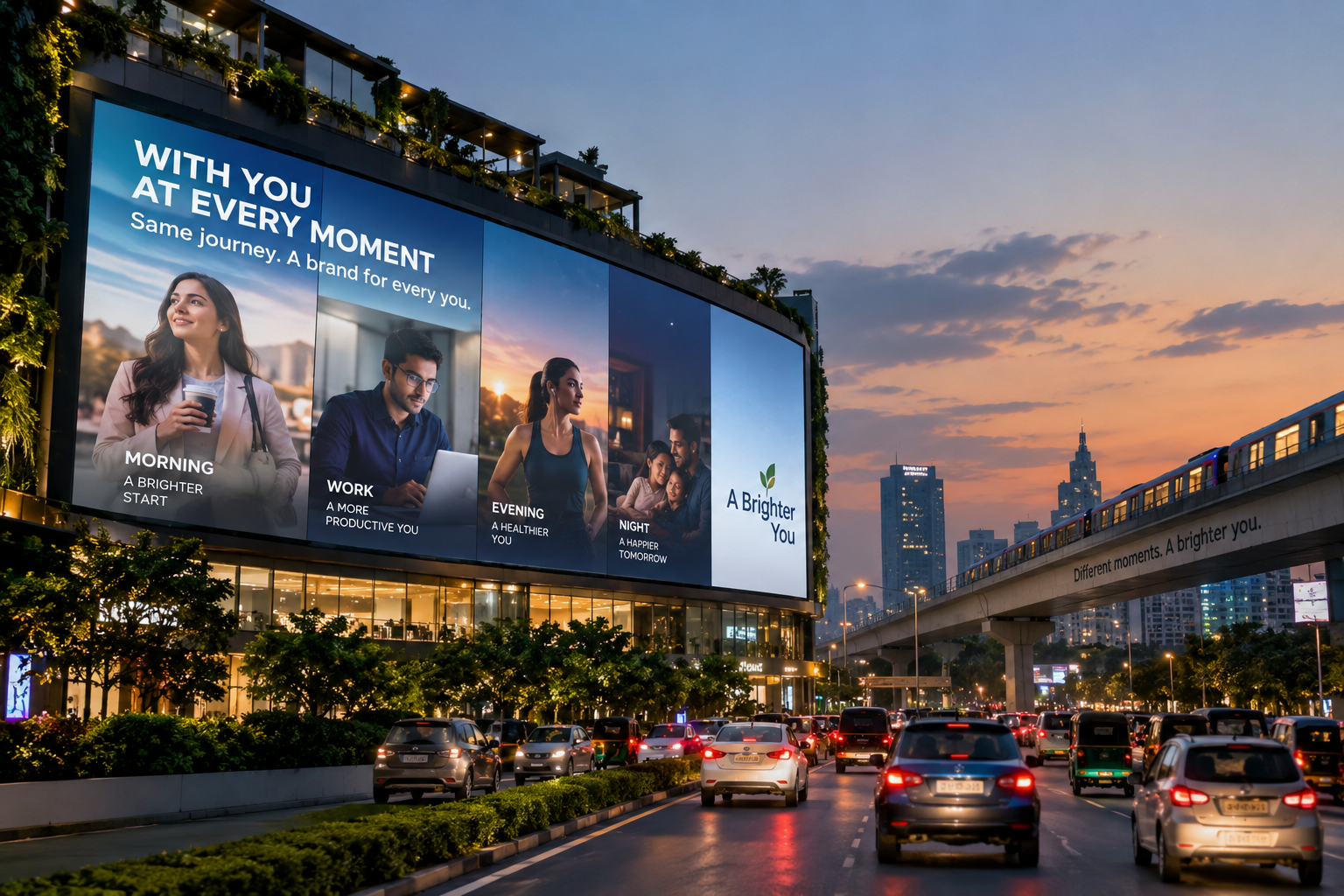





In the digital age, brands can reach millions of people within seconds. Yet despite this unprecedented reach, many companies struggle to build lasting trust. One of the biggest reasons is that digital visibility and physical visibility are not the same. Consumers often trust brands that exist visibly in the real world because physical presence signals scale, stability, and commitment. A brand that appears consistently across roads, metro stations, airports, malls, dealer networks, and retail environments feels established in a way that digital campaigns alone rarely achieve.
This is the physical proof advantage.
Why physical presence changes perception
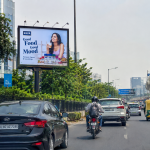
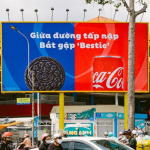
When consumers repeatedly encounter a brand in everyday public spaces, they subconsciously associate it with legitimacy. A billboard on a major highway, branding inside a metro station, or a prominent airport display suggests that the company is investing in long-term market presence. Physical advertising is difficult to fake at scale, which makes it a powerful credibility signal.
This perception becomes especially important in competitive categories where trust influences purchasing decisions.
Visibility creates familiarity, and familiarity creates trust
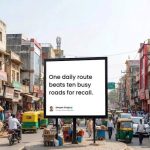
Most purchase decisions are influenced by recognition. The brands people see repeatedly in the physical world become mentally available when a need arises. Unlike digital ads that disappear with a scroll, outdoor advertising becomes part of the consumer’s environment. Repeated exposure across multiple locations strengthens memory and increases confidence in the brand.
This is why physical presence often reinforces the effectiveness of digital marketing rather than replacing it.
Real-world visibility supports long-term brand equity
Physical advertising also influences retailers, distributors, investors, and business partners. A strong OOH presence communicates market leadership and commercial momentum. It creates the impression that the brand is active, growing, and visible across important consumer touchpoints.
For retail, FMCG, finance, healthcare, automotive, real estate, and lifestyle brands, this visible presence can significantly strengthen long-term brand equity.