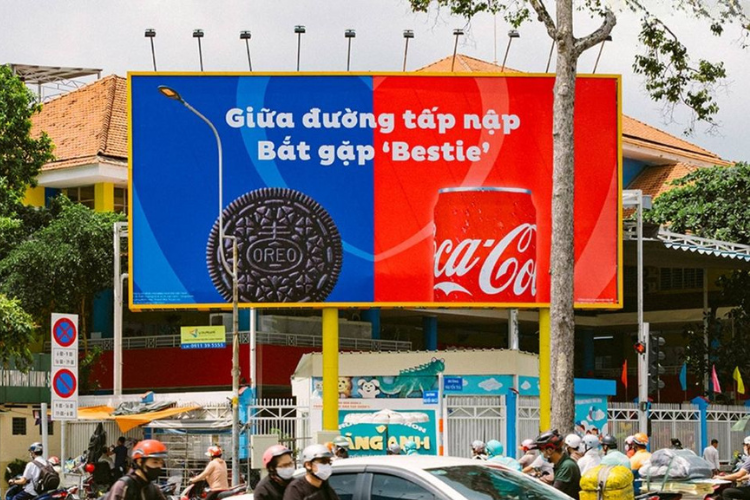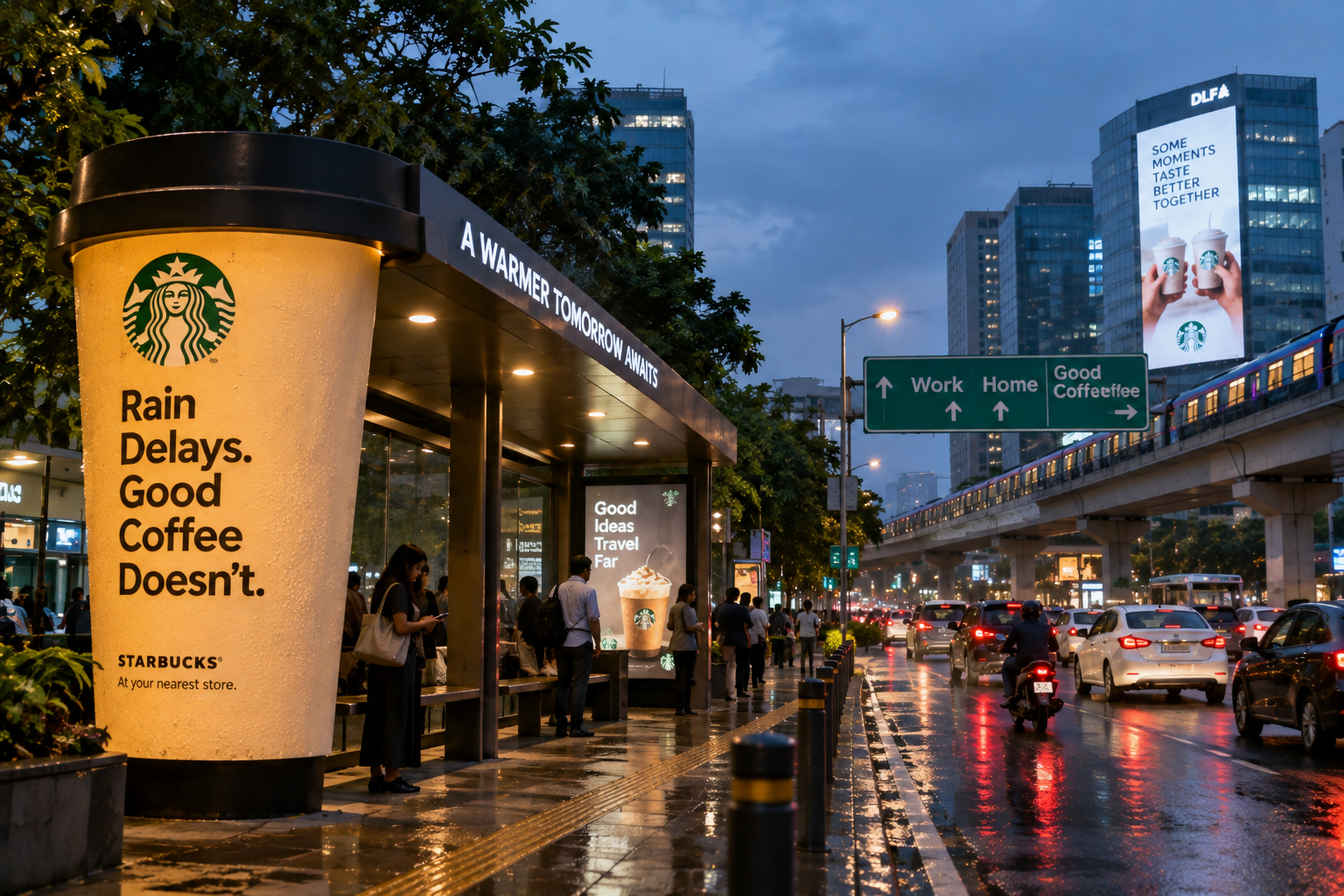








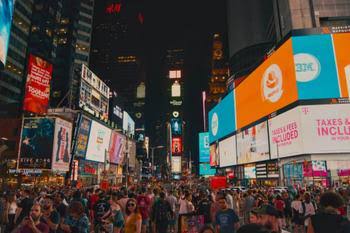
A strategically placed OOH advertisement can introduce an unfamiliar brand to consumers before they ever search for it online. When that exposure creates curiosity, the next step may be surprisingly simple—a Google search.
This creates an important relationship between physical visibility and digital discovery.
The Physical-to-Search Journey
Imagine a commuter travelling through a busy city corridor. They notice a large billboard featuring a brand they have never heard of.
There is no immediate requirement to click anything.
Later that evening, they remember the name and search for it online.
The journey has moved from:
See → Remember → Wonder → Search → Discover
This is where OOH can become a trigger for digital behaviour rather than functioning as a standalone awareness channel.
Why Unknown Brands Need Physical Recognition
An unfamiliar brand faces an obvious challenge: consumers have no existing mental reference for it.
Digital advertising can introduce the brand, but consumers may scroll past an unfamiliar name without giving it much thought.
Physical visibility works differently.
A large, well-designed outdoor advertisement can create a stronger sense of presence because the brand appears within the consumer’s everyday environment. Repeated exposure can gradually make an unfamiliar name feel recognisable.
That recognition can make the brand more likely to be searched later.
The Curiosity Factor
Great OOH campaigns do not always need to explain everything.
Sometimes, a simple brand name, striking visual, intriguing message, or memorable creative can create curiosity.
Consumers may think:
“What is this brand?”
That question can become a search.
This is particularly valuable for new businesses, product launches, technology companies, fashion brands, real estate projects, restaurants, and emerging consumer brands trying to establish awareness.
OOH as a Search Trigger
OOH can influence the beginning of the consumer’s digital journey.
A billboard might include a short brand message and website. A digital screen might introduce a new product. Transit advertising might create curiosity through a distinctive visual.
The consumer does not necessarily interact with the advertisement immediately.
Instead, the exposure creates a memory that can influence a later online search.
This makes OOH particularly interesting in an environment where marketers increasingly measure digital actions but may overlook the physical experiences that helped initiate them.
Repetition Makes the Brand Familiar
One exposure may create awareness. Multiple exposures can create recognition.
When consumers encounter the same brand across different locations, the brand can gradually become part of their visual environment.
For example, someone might see a brand on their morning commute, encounter it again near their workplace, and later notice the same identity while visiting a shopping district.
When that brand eventually appears in a search result, it is no longer completely unfamiliar.
The OOH campaign has already done part of the introduction.
Physical Visibility and Digital Trust
Visibility can also influence perceived legitimacy.
An unknown company that appears consistently across professional OOH placements may feel more established than a company consumers have never encountered physically.
This does not automatically make a brand trustworthy, but repeated real-world visibility can provide an additional familiarity signal.
When consumers subsequently search the brand online, the experience begins with some existing recognition rather than complete unfamiliarity.
Designing OOH for Search Behaviour
Brands that want to encourage search should make their identity easy to remember.
Useful elements include:
- A distinctive brand name
- Simple messaging
- Strong visual identity
- Memorable campaign concepts
- Short URLs or QR codes
- Clear product categories
- Consistent creative across locations
The objective is to make the brand easy to recall after the consumer has left the advertising environment.