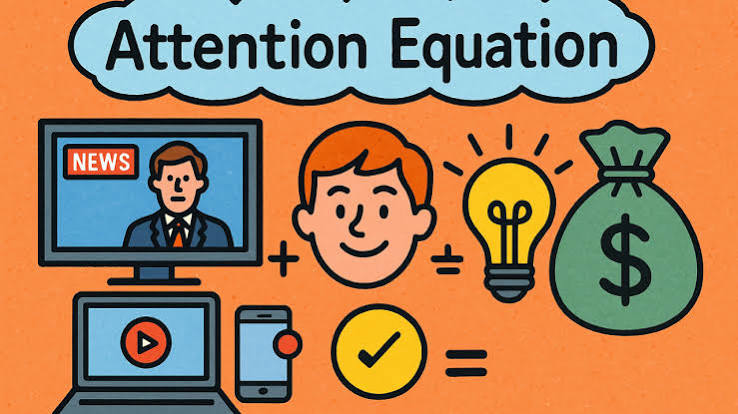
Consumer attention is constantly moving. A person may begin the day checking their phone, travel to work through a metro or cab, spend hours in an office, visit a mall or restaurant and finally return home. Every stage of this journey creates a different opportunity for brands to communicate.
This changing pattern of attention creates a powerful opportunity for modern Marcom strategies. Instead of depending entirely on digital platforms, brands can extend their communication into the physical environments where consumers spend a significant part of their day.
Why Brands Cannot Depend Only on Screens
Digital advertising has transformed marketing by giving brands precise targeting, measurable campaigns and direct consumer engagement. However, consumers eventually step away from their screens. They commute, shop, work, travel and interact with the physical world.
This is where OOH advertising becomes valuable.
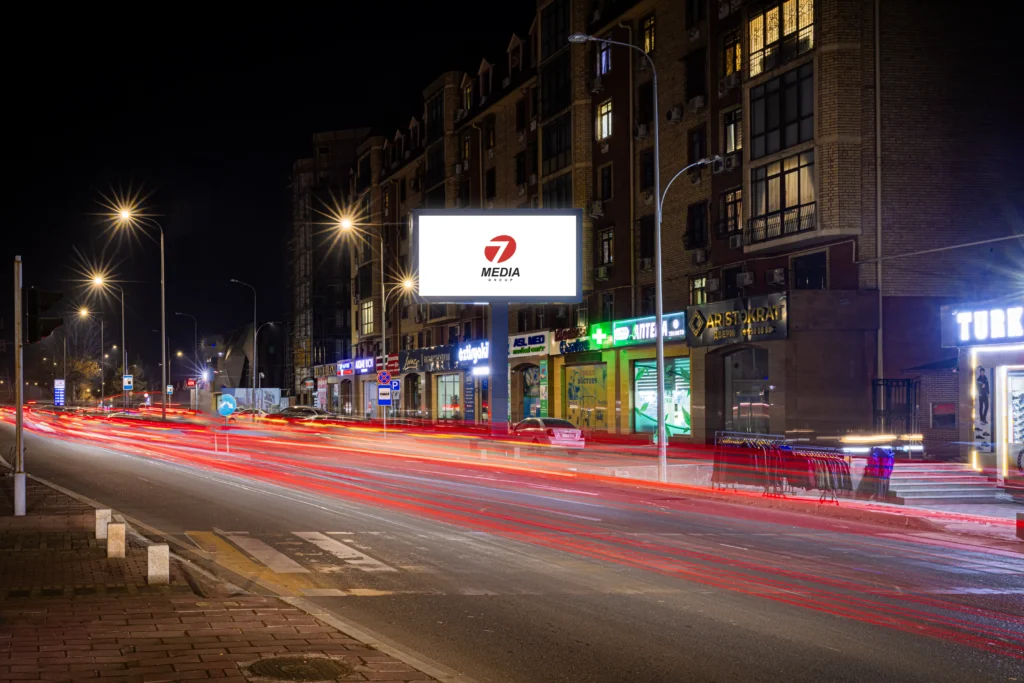
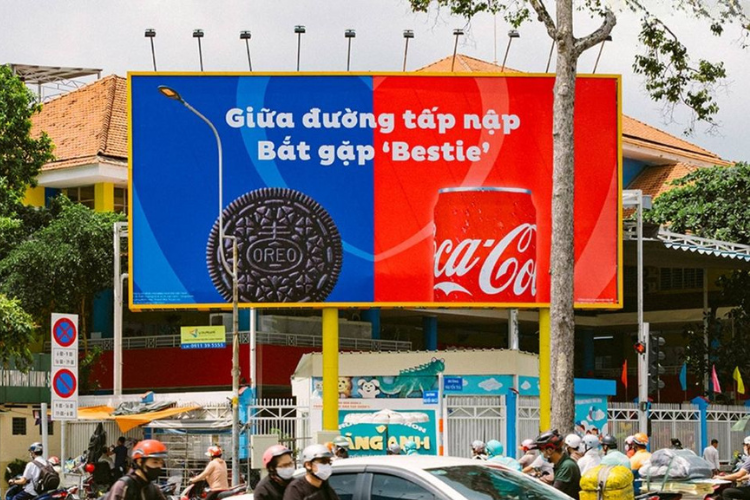
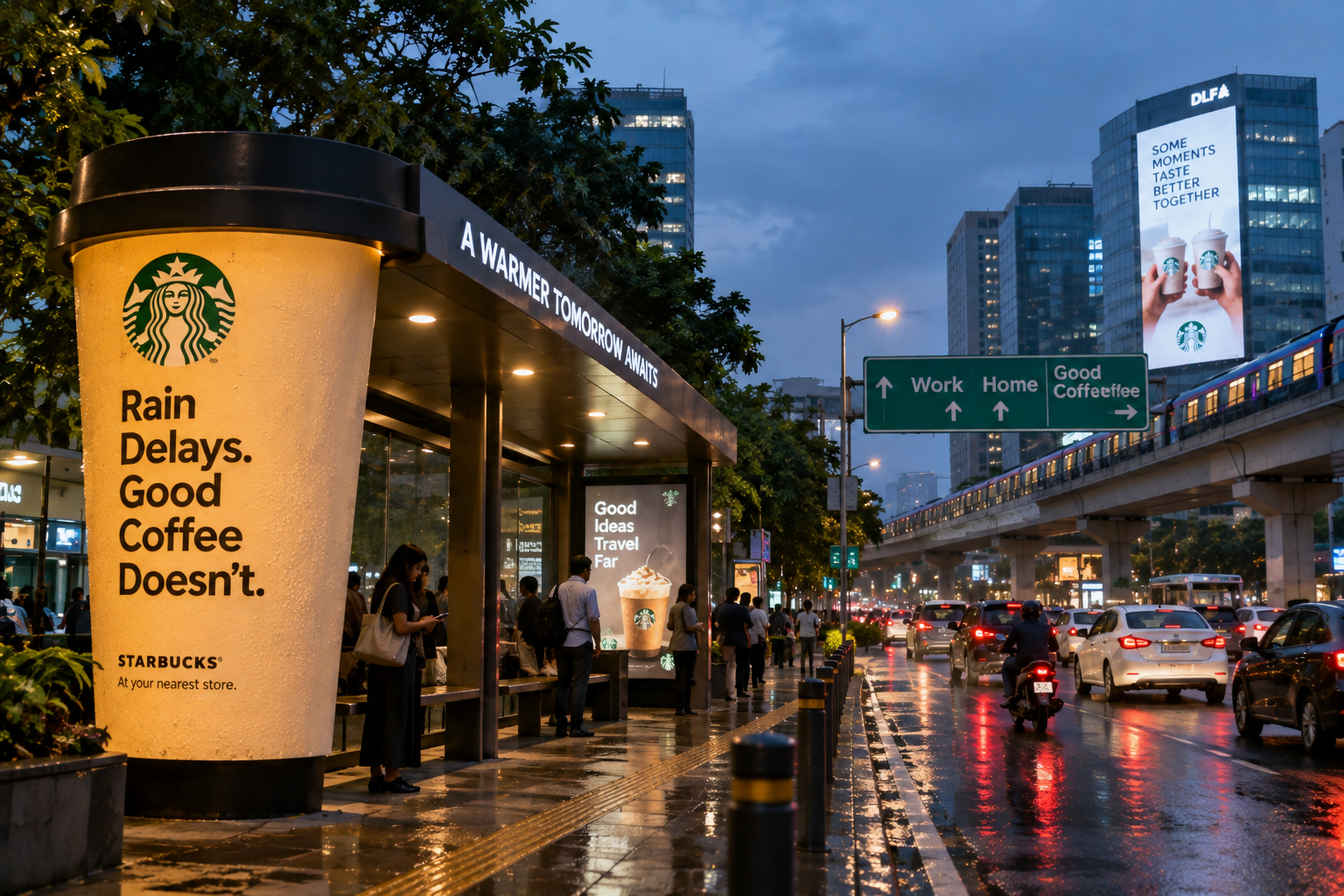
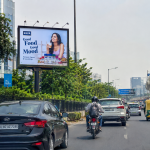
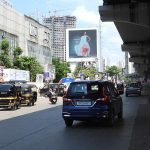
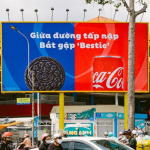
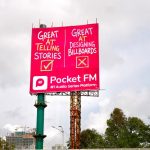
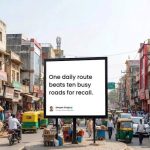
A billboard, metro display, airport campaign or mall activation can keep a brand visible when the consumer is no longer actively engaging with digital content. The brand continues to exist within the consumer’s surroundings rather than disappearing when the screen is closed.
Following the Consumer Journey
The modern consumer journey is not linear. A consumer may discover a product through Instagram, search for it online, see a billboard while travelling and finally purchase it after visiting a physical store.
Each touchpoint can influence the next.
A strong Marcom strategy can therefore connect these environments instead of treating them as separate channels. The same campaign idea can appear digitally in the morning and physically during the consumer’s commute later in the day.
Creating Continuity Between Digital and OOH
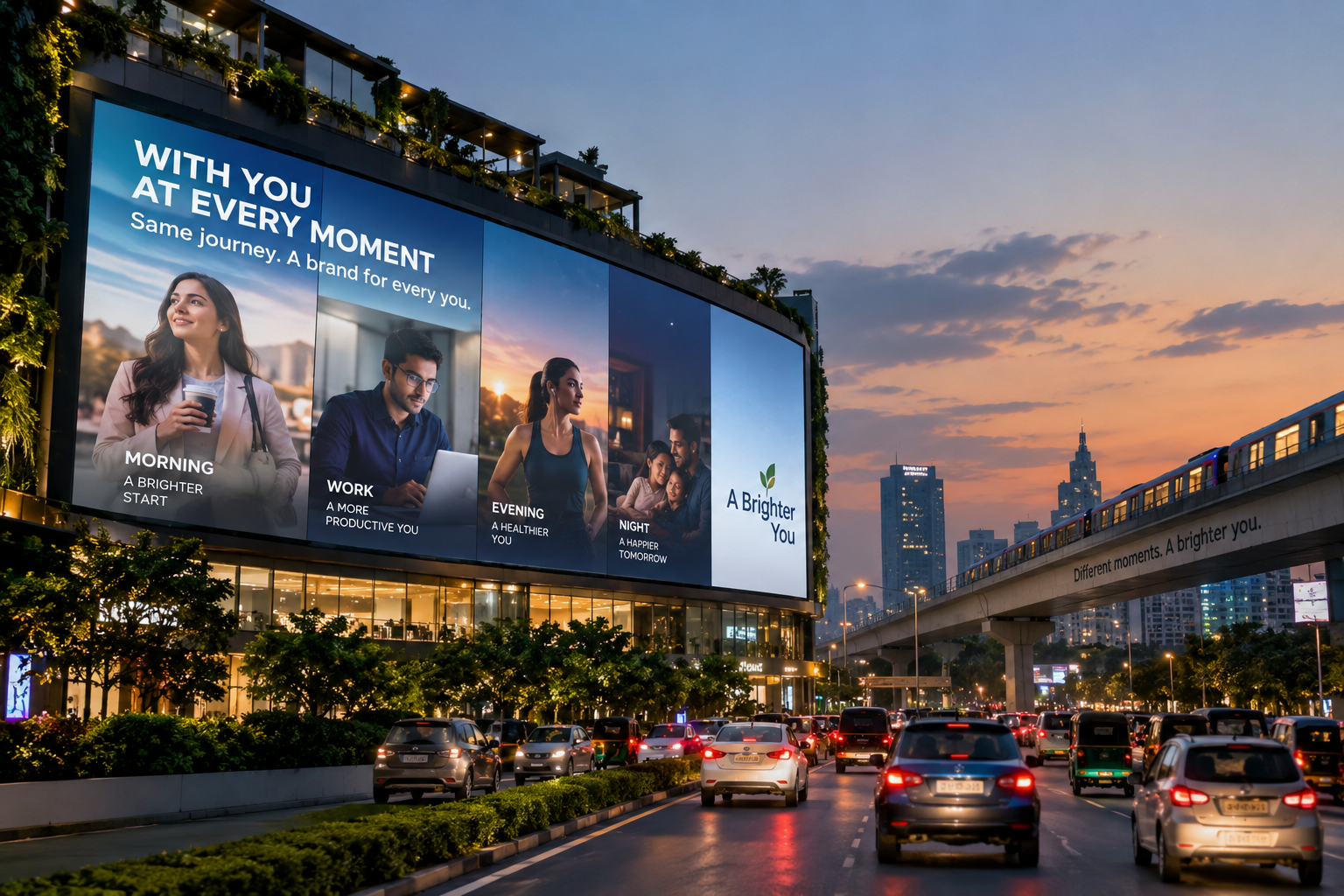
OOH advertising can act as a physical extension of digital communication. A brand can use the same visual identity, campaign theme or product message across social media, digital OOH, metro advertising, airport media and roadside advertising.
The formats may change, but the brand remains recognisable.
This consistency can help consumers connect different exposures and build stronger familiarity with the campaign.
Context Makes Physical Advertising Powerful
The biggest advantage of physical media is not simply visibility. It is context.
An automobile brand can communicate near highways and dealerships. A financial brand can target business districts and tech parks. A luxury brand can use airports and premium malls. A food or grocery brand can focus on residential communities and high-footfall neighbourhoods.
When the location matches the consumer’s situation, the advertisement becomes more relevant.
Different Places Create Different Opportunities
Every physical environment offers a different type of consumer interaction.
Metro advertising can reach daily commuters repeatedly.
Airport advertising can communicate with travellers during extended dwell times.
Mall advertising can connect brands with consumers closer to purchase environments.
Tech Park advertising can reach professionals during their workday.
RWA Branding can bring brands closer to households and neighbourhood communities.