






Consumer attention has become one of the scarcest resources in modern marketing. Today’s audiences scroll faster, skip ads quicker, and multitask constantly across multiple screens. As a result, brands now face a critical challenge—how to communicate effectively with zero-attention consumers.
Instead of relying on long-form messaging, companies are redesigning their communication strategies to deliver instant value. They focus on clarity, relevance, and emotional triggers within seconds. Consequently, marketing success increasingly depends on how fast a message connects rather than how detailed it appears.
This shift has forced brands to rethink storytelling, media planning, and content formats entirely.
Understanding Zero-Attention Consumer Behavior
Zero-attention consumers are not disinterested; rather, they are overloaded. Because they encounter thousands of brand messages daily, their brains automatically filter most communication. Therefore, brands must now earn attention instead of assuming it.
Moreover, consumers engage only when messaging feels personal, visually stimulating, or immediately useful. If content fails to deliver value within the first few seconds, it disappears into the background noise.
As a result, traditional advertising structures no longer perform effectively.
Why Traditional Communication Models Are Failing
Earlier marketing models depended heavily on repetition, long explanations, and gradual persuasion. However, those models assume sustained attention—which rarely exists today.
In contrast, modern consumers prefer:
-
Short-form content
-
Visual-first storytelling
-
Contextual relevance
-
Emotion-driven cues
Because of this shift, brands are moving away from message-heavy advertising and embracing precision-based communication strategies.
Designing Communication Strategies for Zero-Attention Consumers
1. Micro-Messaging for Instant Impact
Brands are now designing messages that communicate meaning within 3–5 seconds. These micro-messages focus on one clear idea rather than multiple selling points.
For instance, a single benefit, emotion, or problem statement works far better than lengthy copy. As a result, headlines, visuals, and call-to-action elements are tightly aligned.
This approach ensures immediate comprehension, even with minimal attention.
2. Visual-First Brand Communication
Visual processing occurs faster than reading. Therefore, brands prioritize strong imagery, motion graphics, and bold typography.
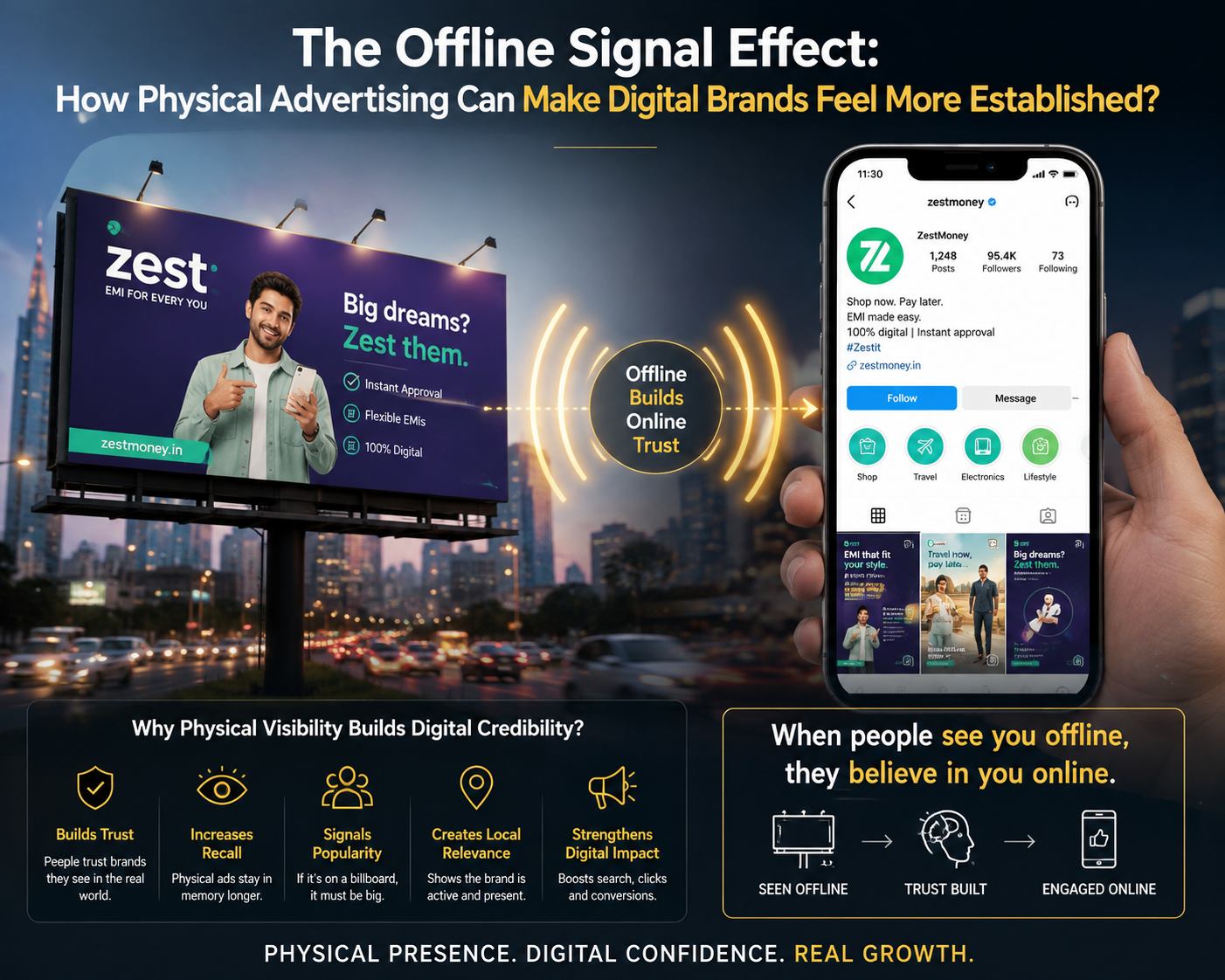
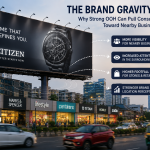
From outdoor billboards to digital ads, visuals now carry the primary message. Meanwhile, text plays a supporting role. This shift allows communication to remain effective even when consumers glance briefly at content.
Consequently, design consistency has become as important as messaging itself.
3. Contextual and Moment-Based Messaging
Zero-attention consumers respond better to messages that match their environment or mindset. Hence, brands increasingly rely on contextual communication strategies.
For example:
-
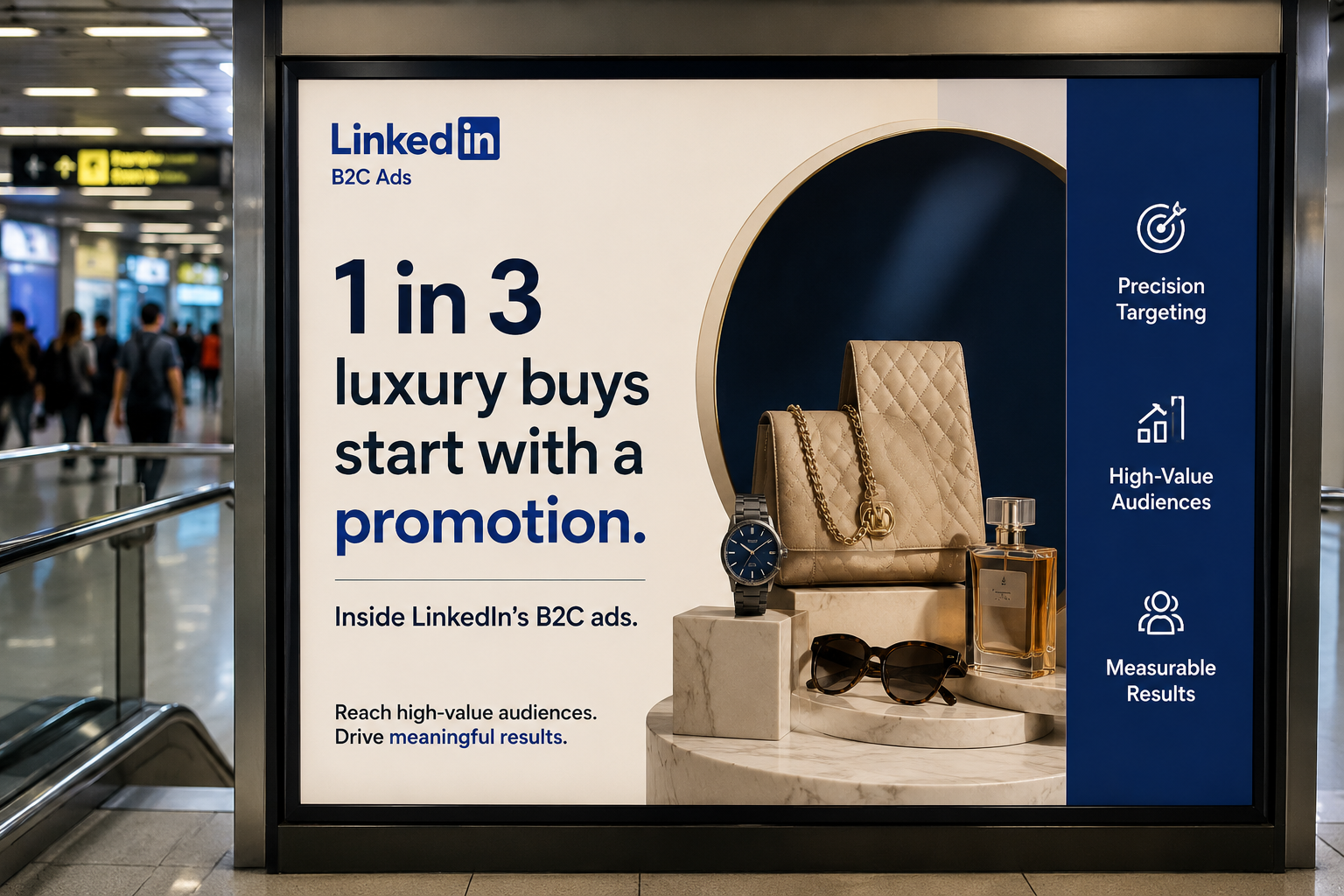
Transit ads target commuters with concise, relatable messaging
-
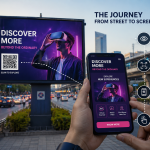
Mobile ads adapt to location and time
-
Digital content changes based on browsing behavior
By aligning communication with real-life moments, brands significantly increase recall and relevance.
4. Emotion Over Information
While information informs, emotion drives action. Therefore, brands are focusing more on emotional resonance rather than factual overload.
Humor, nostalgia, urgency, or relatability often outperform logical explanations. When emotions connect instantly, consumers pause—even briefly—to acknowledge the message.
As a result, emotional storytelling has become central to zero-attention communication strategies.
5. Platform-Native Content Design
Each platform has its own consumption behavior. Brands now design content specifically for where it appears rather than repurposing the same message everywhere.
Short vertical videos, animated banners, carousel ads, and minimal-text creatives dominate modern campaigns. This platform-native approach ensures content blends naturally into user feeds instead of disrupting them.
Thus, communication feels less like advertising and more like content.
The Role of Consistency in Low-Attention Environments
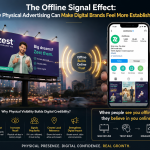
Although attention spans are shrinking, brand consistency remains essential. Repeated exposure to consistent colors, fonts, taglines, and visual styles improves recall—even without active engagement.
Over time, familiarity builds trust subconsciously. Therefore, brands invest heavily in cohesive visual identity systems that work across all touchpoints.
This consistency ensures long-term brand recognition despite fragmented attention.
Measuring Success in Zero-Attention Marketing
Traditional metrics alone no longer reflect effectiveness. Brands now evaluate success through:
-
Visual recall
-
Brand lift
-
Engagement velocity
-
Repeat exposure impact
Instead of expecting immediate conversions, marketers track how communication influences memory and perception over time.
This long-view approach aligns better with modern consumer behavior.
Conclusion
Zero-attention consumers are not unreachable—they simply demand smarter communication. Brands that succeed today design strategies centered on clarity, emotion, context, and visual strength.
By simplifying messages, adapting formats, and prioritizing instant relevance, marketers can cut through clutter effectively. As attention continues to fragment, communication strategies must evolve continuously.
Ultimately, the brands that respect consumer time—and communicate with purpose—will dominate the next phase of marketing.