






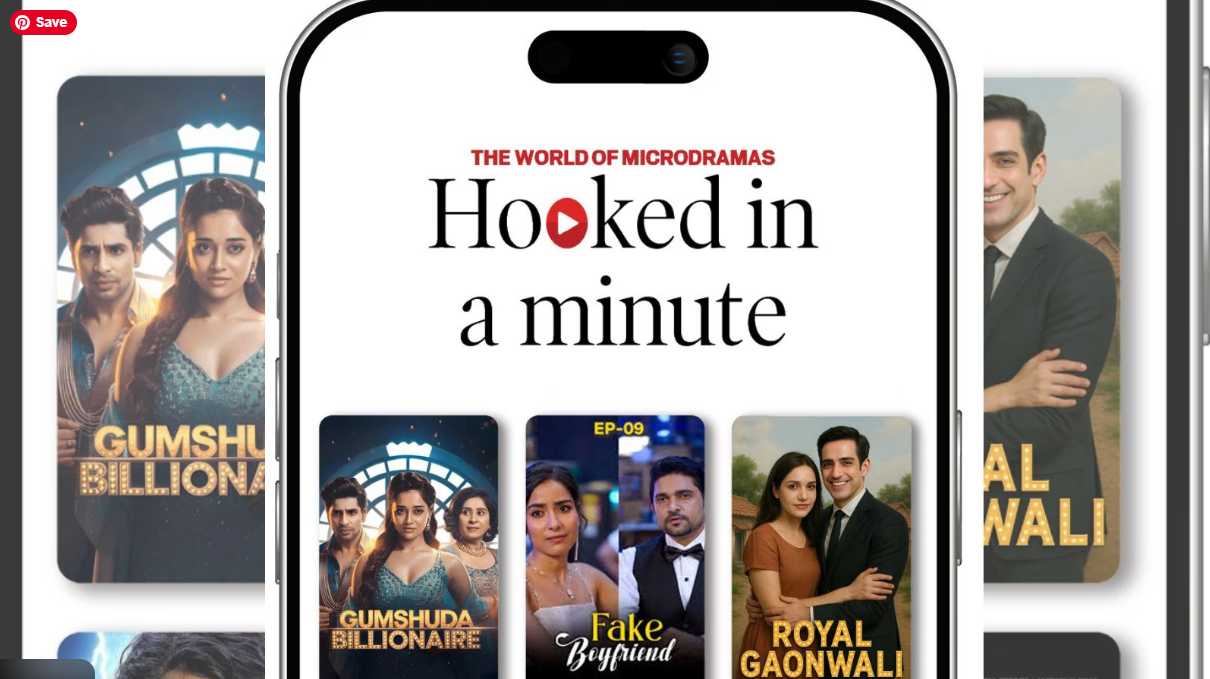
One buzzword that dominated digital entertainment conversations last year was micro-dramas. From media executives and creators to platforms and brands, everyone is now experimenting with this snackable storytelling format. As attention spans shrink and mobile consumption peaks, micro-dramas have emerged as a format designed for continuity, habit-building, and emotional engagement.
According to Viren Sean Noronha, co-founder of The New Thing, the shift toward micro series and content IPs began with creators in the West and is now gaining strong momentum in India. At its core, a micro-drama is not just short content—it is episodic storytelling engineered to make audiences return daily.
However, while consumption is rising, a crucial question remains unanswered: how are micro-dramas being advertised in India?
Understanding the Micro-Drama Format Before Marketing It
Micro-dramas are fundamentally different from OTT shows. Episodes often last between 30 seconds and 3 minutes, are vertically shot, and end on sharp cliffhangers. Because of this structure, marketing strategies must mirror the same urgency and intrigue.
Unlike traditional trailers, promotions for micro-dramas often look like content rather than ads. As a result, audiences encounter them organically while scrolling, not actively searching for shows to watch.
Why Micro-Dramas Aren’t Marketed Like OTT Shows
OTT platforms rely heavily on trailers, celebrity endorsements, outdoor advertising, and media coverage. Micro-dramas, however, follow a radically different playbook. Firstly, these shows are app-first products. Their primary goal is not awareness alone but app installs and repeat usage. Therefore, advertising focuses less on brand-building and more on performance metrics such as cost-per-install (CPI) and retention.
Secondly, micro-dramas are promoted as stories in progress, not finished shows. Viewers are often dropped directly into the middle of a dramatic moment, which creates curiosity and immediate emotional investment.
The Performance Marketing Engine Behind Micro-Dramas
Most micro-drama platforms rely heavily on performance-led digital advertising. Short clips extracted from episodes are used as ad creatives across social media feeds, reels, and in-app video placements.
These creatives typically follow three rules:
-
Start with conflict within the first two seconds
-
End with an unresolved twist
-
Push a clear call-to-action such as “Watch the next episode on the app”
Because of this approach, ads don’t feel like promotions. Instead, they feel like unfinished stories demanding closure.
Role of Social Feeds in Driving Discovery
Social platforms play a critical role in micro-drama marketing. Vertical video ads blend seamlessly with user-generated content, making it difficult to distinguish between entertainment and advertising.
Moreover, algorithms reward high watch-time and engagement. Since micro-drama ads are designed to be emotionally charged, they often outperform traditional brand creatives. Consequently, platforms achieve scale without massive media budgets.
Building Habit Through Episodic Advertising
One unique aspect of micro-drama marketing is repetition with variation. Users may see different episodes of the same show across multiple days. Each ad advances the story slightly, training audiences to return consistently.
This episodic ad sequencing helps platforms:
-
Build familiarity with characters
-
Increase emotional attachment
-
Improve long-term retention
As a result, advertising itself becomes part of the viewing experience.
Influencers and Creators as Amplifiers
While paid media drives scale, creators add credibility. Influencers often recreate scenes, react to plot twists, or summarise episodes, encouraging followers to download the app. Importantly, these collaborations feel native rather than promotional.
Additionally, creators help localise micro-dramas for Indian audiences by using regional languages, cultural references, and relatable themes.
Key Takeaways for Brands and Content Platforms
Micro-drama advertising in India offers clear lessons for marketers:
-
Story beats outperform static messaging
-
Cliffhangers drive installs better than trailers
-
Vertical, mobile-first formats are non-negotiable
-
Performance marketing and storytelling must work together
Therefore, micro-dramas are not just a content trend—they represent a new advertising model built around habit formation.
Conclusion: Advertising That Feels Like Entertainment
Micro-dramas succeed because their marketing doesn’t interrupt entertainment—it becomes entertainment. By borrowing techniques from performance marketing, creator ecosystems, and episodic storytelling, platforms have cracked a scalable formula for attention and retention.
As India’s mobile-first audience continues to grow, micro-dramas and their advertising playbook are likely to influence how all digital content is marketed in the years ahead.