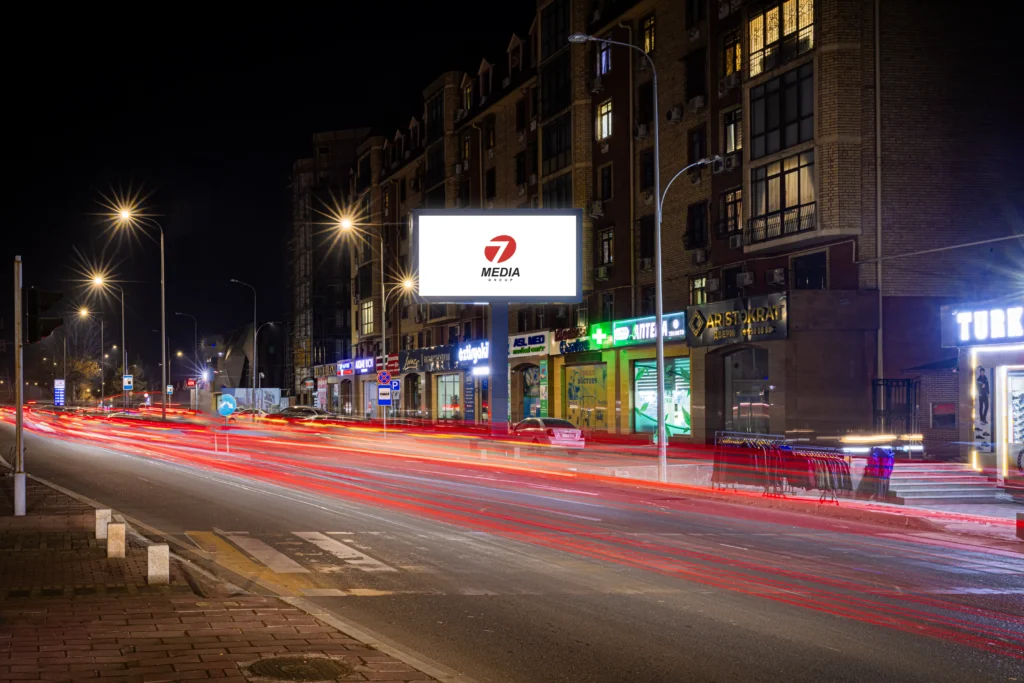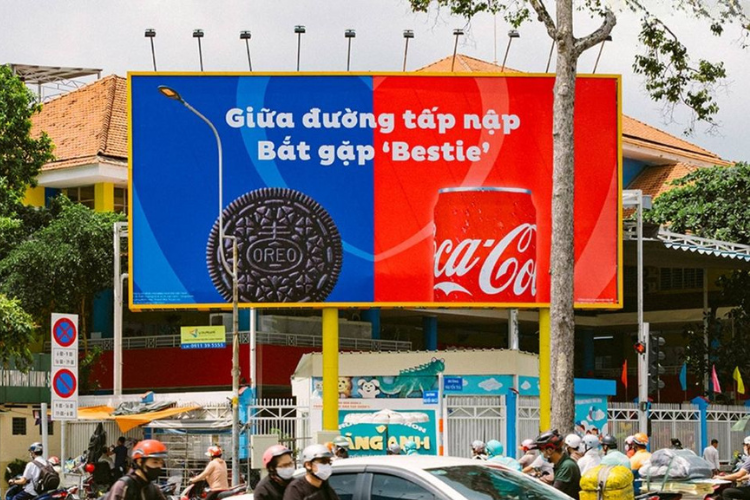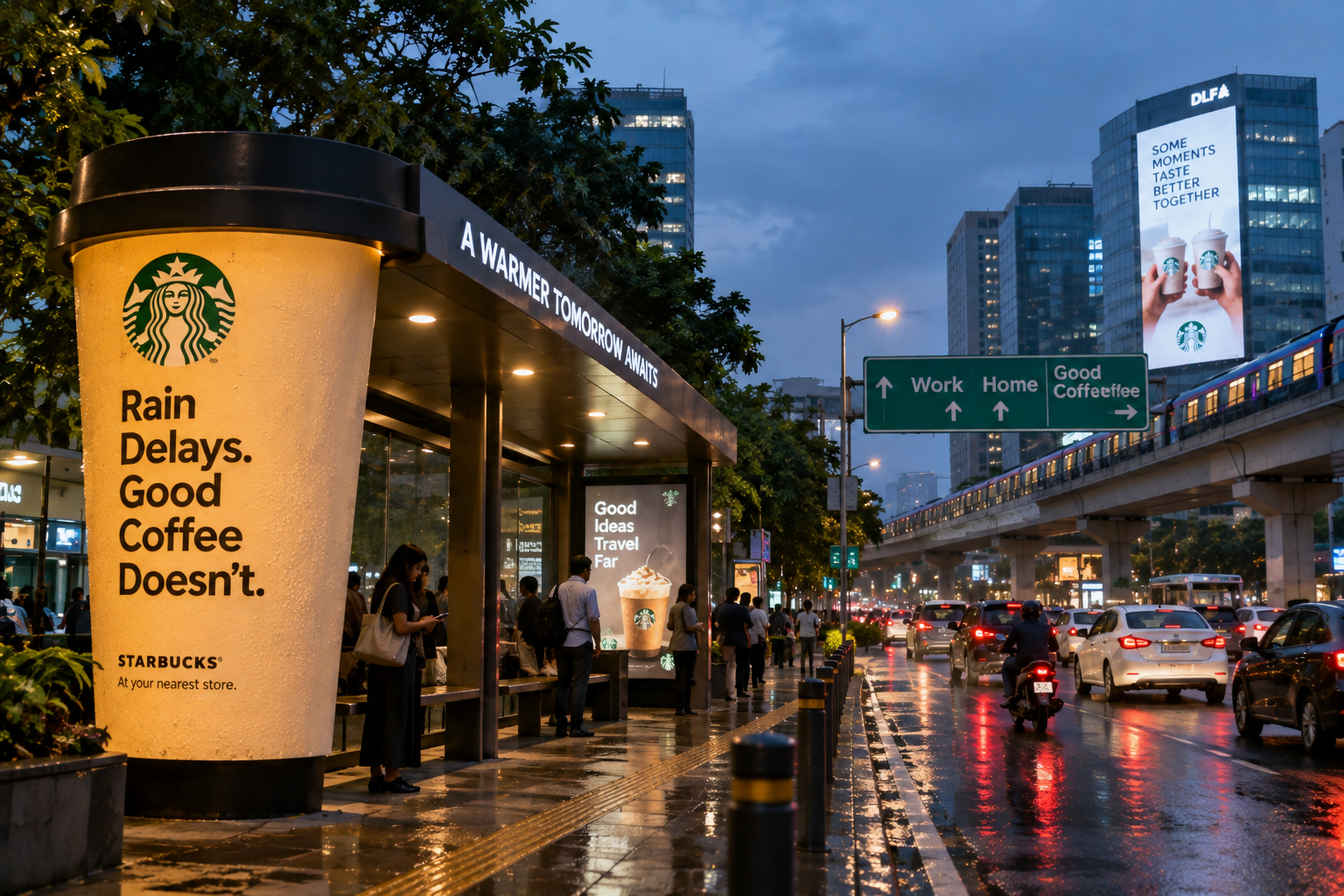

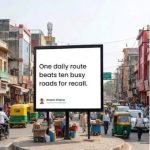


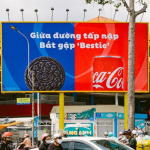


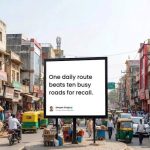
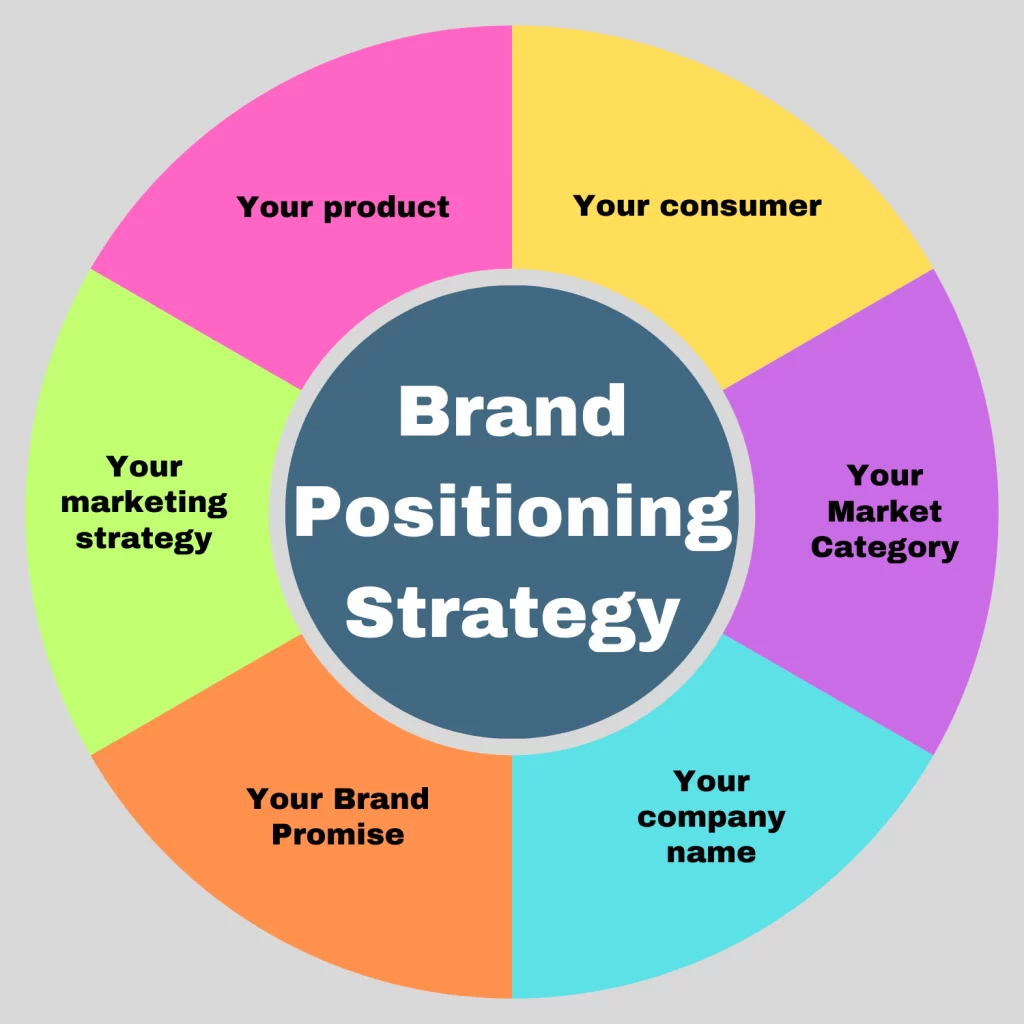
Everyday consumer journeys are becoming valuable spaces for brands to build repeated visibility and stronger recall. The Route Ownership Effect explains how strategically placed OOH advertising can make a brand feel like a familiar part of a consumer’s daily commute. Instead of relying on one billboard or one location, brands can create a connected presence across roads, metro stations, bus shelters, transit hubs and commercial zones.
From Individual Sites to Connected Brand Journeys
Traditional OOH planning often looks at individual locations based on traffic, visibility and audience. But a more powerful approach is to think about the entire consumer route. When consumers repeatedly encounter the same brand at different points of their daily journey, each exposure can reinforce the previous one.
A commuter might see a brand near their home, encounter another execution while travelling, and then see the same campaign near their workplace. These multiple touchpoints can gradually transform ordinary media placements into a recognizable brand journey.
Why Repeated Routes Matter for Brand Recall
Consumers often follow predictable routes every day. The same roads, metro corridors, office zones, shopping districts and neighbourhoods become part of their routine.
This creates an opportunity for brands to build route-based visibility rather than simply buying isolated advertising spaces. Consistent branding across these repeated journeys can increase familiarity and make the brand easier to recognize when consumers eventually enter a purchase consideration moment.
The objective is not simply to be seen more often. It is to become familiar within the environment where consumers already spend their time.
Turning OOH Into a Long-Term Brand Asset
A strong OOH strategy can extend beyond short-term campaign visibility. When brands maintain a consistent presence across strategically connected locations, those locations can collectively become a long-term brand asset.
For example, a real estate brand can build visibility along the complete route leading toward its project. A retail brand can dominate the journey between residential neighbourhoods and shopping destinations. A travel brand can create a connected presence across airports, highways and transit corridors.
This approach makes OOH more strategic by connecting location, frequency, context and consumer movement.