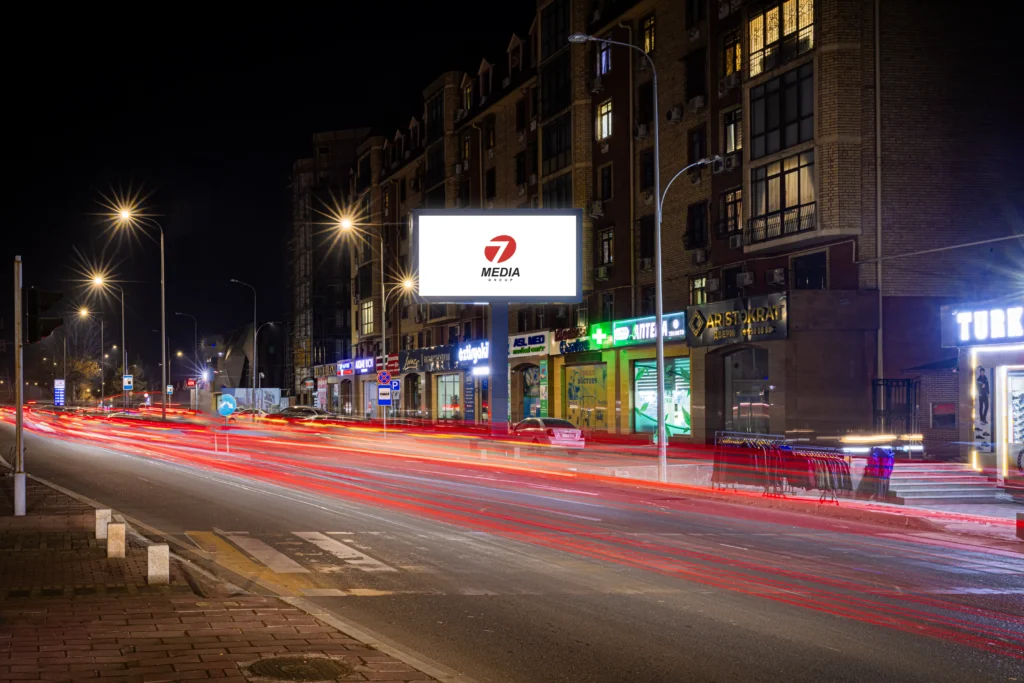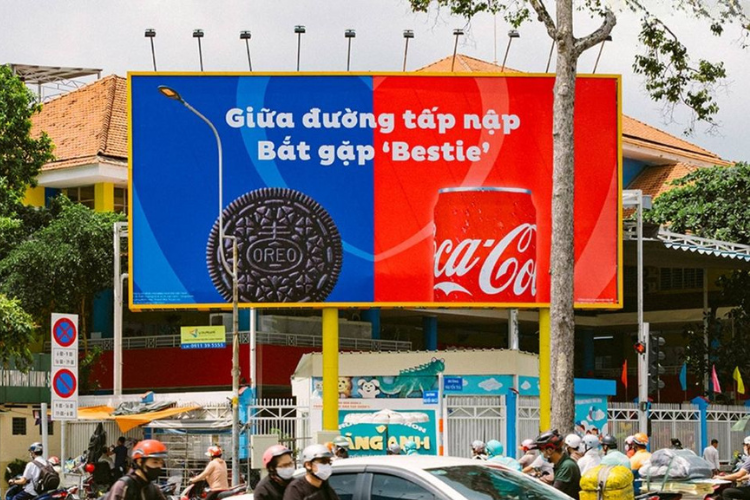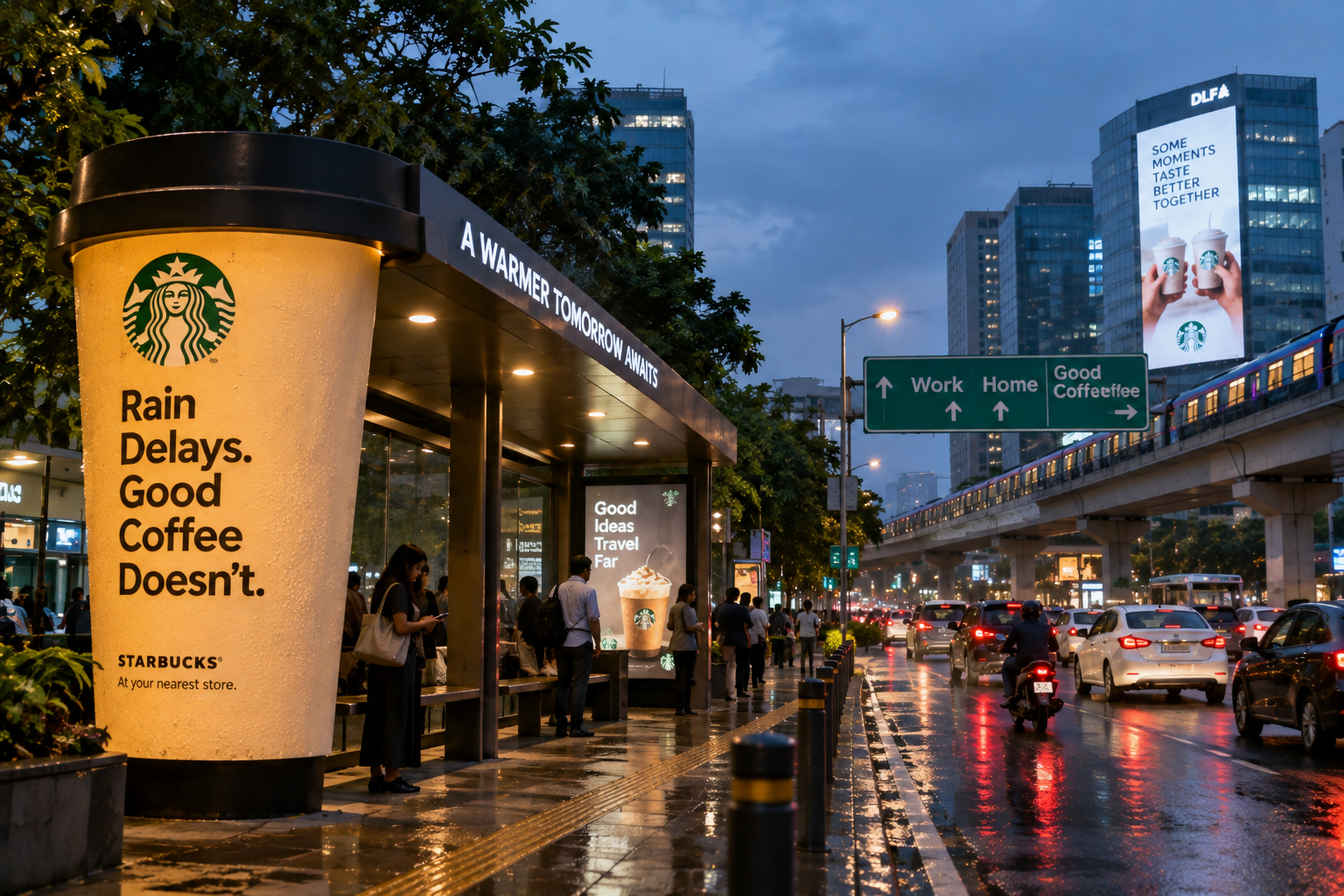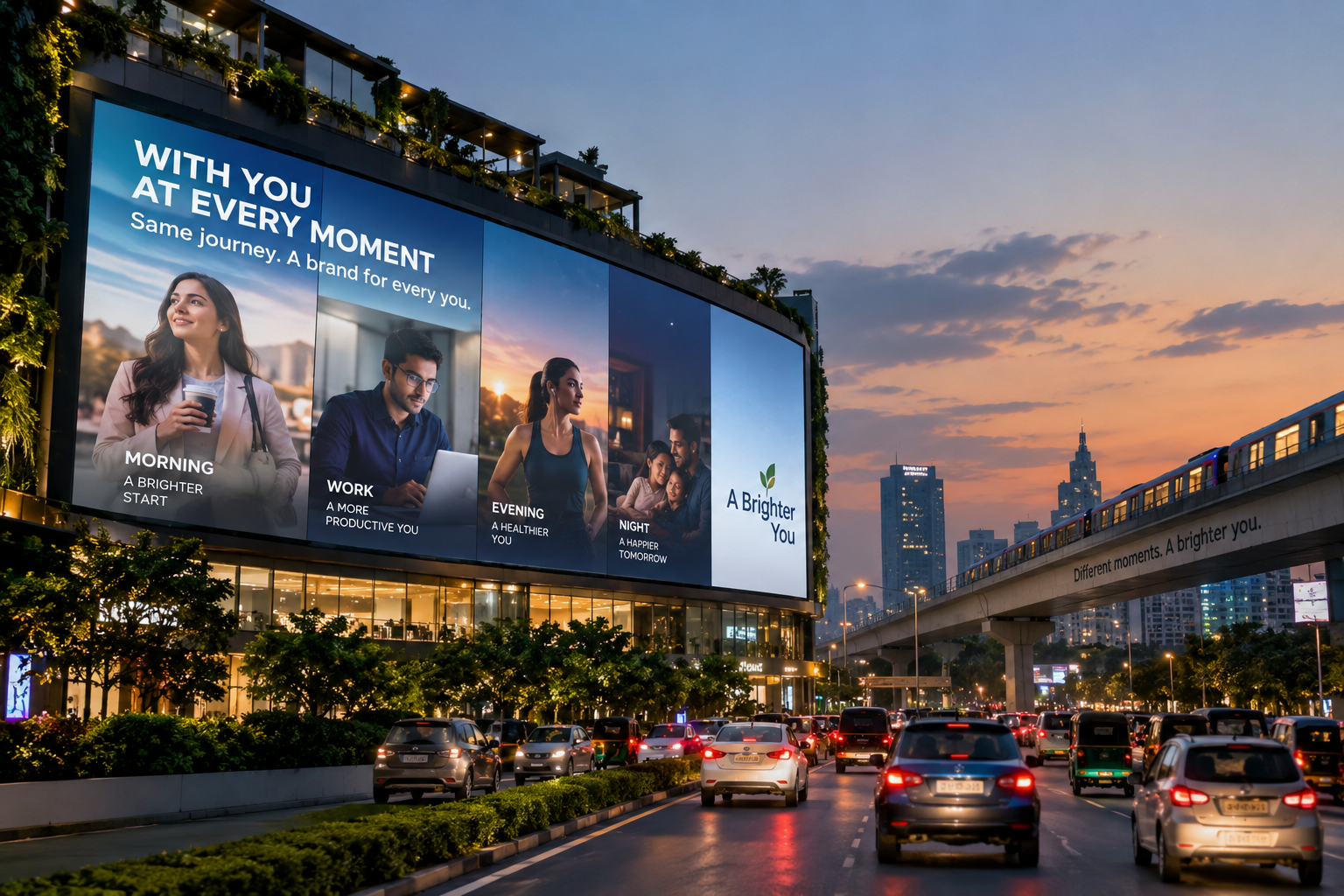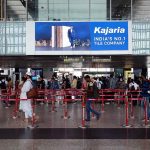
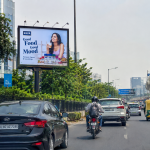
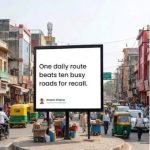

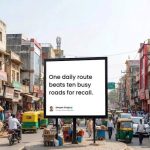
The City Capture Effect describes the strategic power of maintaining a consistent OOH presence across the different touchpoints of a consumer’s daily journey. A brand does not need to dominate an entire market to become highly recognisable. Instead, it can strategically occupy the places consumers repeatedly pass through.
What Is the City Capture Effect?
The City Capture Effect is created when a brand maintains a connected OOH presence across multiple locations within a consumer’s regular movement pattern.
Instead of relying on one large billboard, advertisers can build a network of outdoor touchpoints. A commuter may see the same brand while leaving home, again on the main road, once more near a metro station, and later outside a commercial district.
Each individual exposure may appear simple. Together, they create a powerful perception of consistency and scale.
Turning Daily Routes Into Brand Assets
The most effective OOH campaigns understand how people actually move through a city.
A campaign can combine:
- Roadside billboards
- Metro and railway advertising
- Bus shelter branding
- Airport media
- Cab and auto branding
- Mall and retail OOH
- Digital outdoor screens
- High-impact junction placements
The objective is not simply to maximise the number of advertisements. It is to create strategic continuity.
When the same brand appears at relevant points along a consumer’s journey, advertising becomes less like an isolated message and more like a familiar part of the urban environment.
Why Repetition Builds Brand Ownership
OOH has an important advantage: consumers often encounter the same locations repeatedly.
A person travelling to work may cross the same intersection five days a week. A student may pass the same bus shelter every morning. A shopper may regularly travel through the same commercial corridor.
Consistent OOH placement allows brands to benefit from these repeated journeys.
Over time, the consumer may begin recognising the brand before consciously processing the advertisement. This familiarity can contribute to stronger brand recall and a perception that the brand has an established presence in that market.
From Visibility to Perceived Scale
One of the most interesting effects of route-based OOH is the perception of scale.
When consumers encounter a brand at several strategic locations, the campaign can make the brand appear more established than a single advertising placement would suggest.
The message is not only about the product. The physical presence communicates something about the brand itself: “We are here, and we are consistently here.”
This can be particularly valuable for brands entering new cities, launching products, expanding distribution, or competing in crowded categories.
The Strategic Role of Location
City capture does not mean advertising everywhere.
The smarter approach is to identify the routes that matter most to the intended audience. High-frequency commuter corridors, business districts, residential-to-commercial routes, retail clusters, transport hubs, and major intersections can become priority zones.
A well-planned campaign can then establish a connected network of visibility across these locations.
This transforms OOH from a collection of individual media sites into a broader urban brand presence strategy.
Building a Consistent Visual Identity
Consistency is essential to the City Capture Effect.
Using similar colours, typography, imagery, brand assets, and messaging across different OOH formats helps consumers connect separate advertisements to the same brand.
A billboard should feel related to the bus shelter. The metro creative should feel connected to the roadside digital screen. The campaign should create one recognisable visual language across the city.
This consistency increases the chance that individual exposures reinforce one another.