







AI-Powered DOOH – How Real-Time Data Is Redefining Outdoor Advertising
The Rise of Smarter and More Dynamic DOOH Campaigns
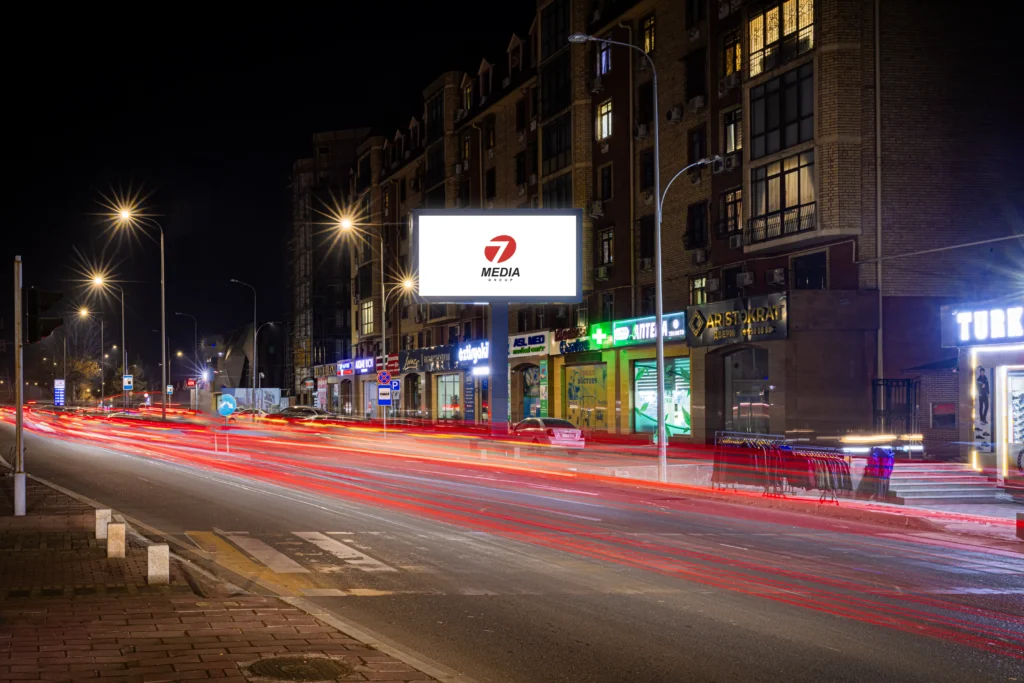
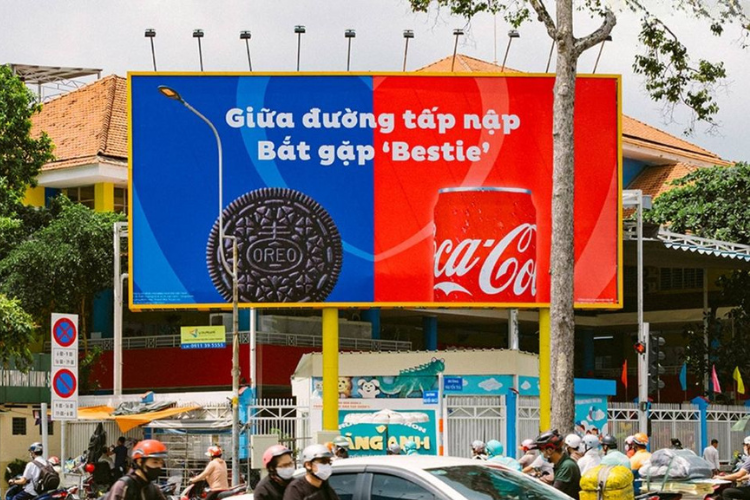
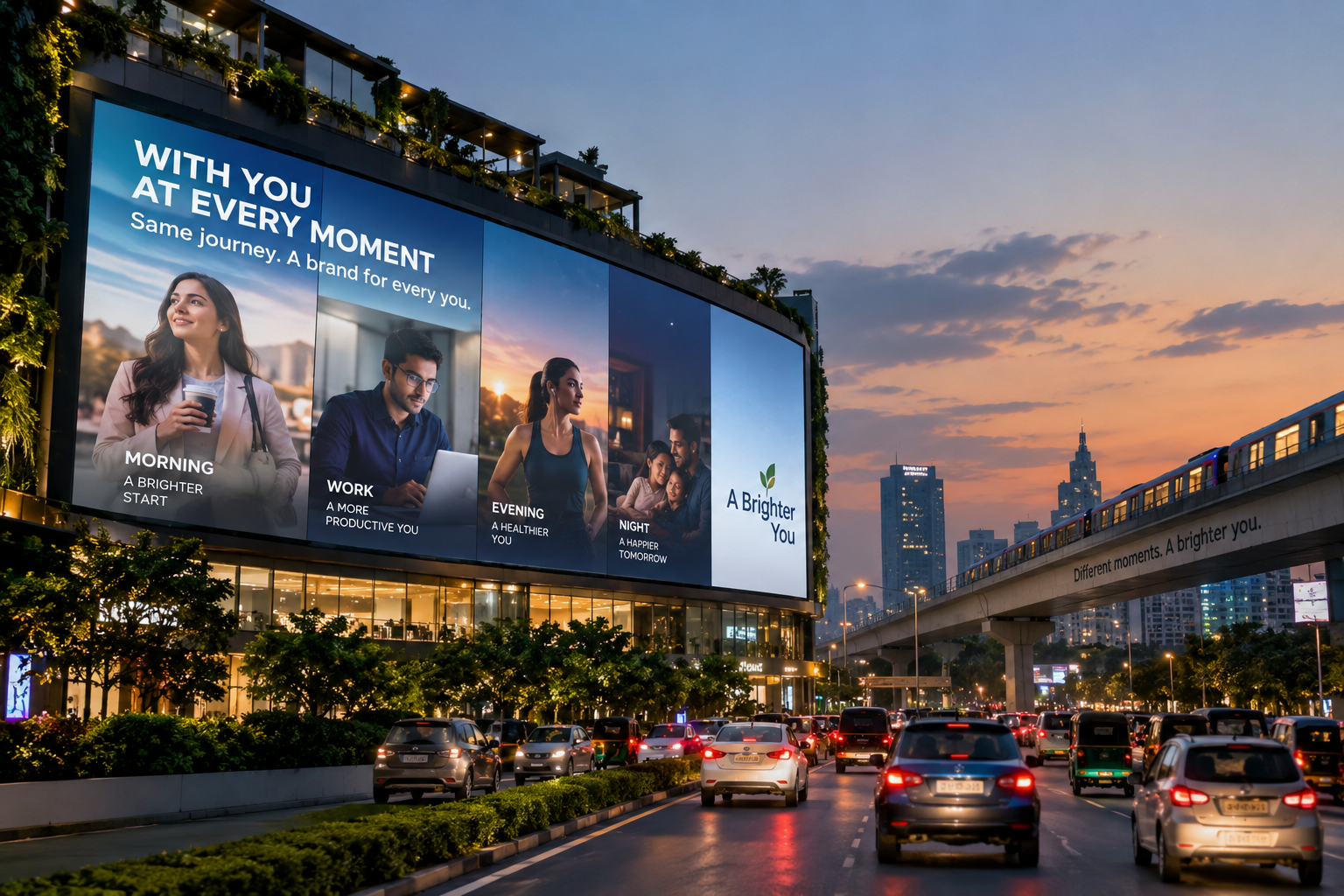
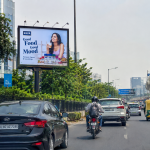
Artificial Intelligence is transforming the future of Digital Out-of-Home (DOOH) advertising by making campaigns smarter, faster, and more personalized than ever before. With the integration of real-time data, brands can now deliver highly relevant content to audiences based on factors such as weather conditions, traffic flow, location insights, time of day, live events, and consumer behavior. This evolution is redefining how advertisers connect with people in public spaces.
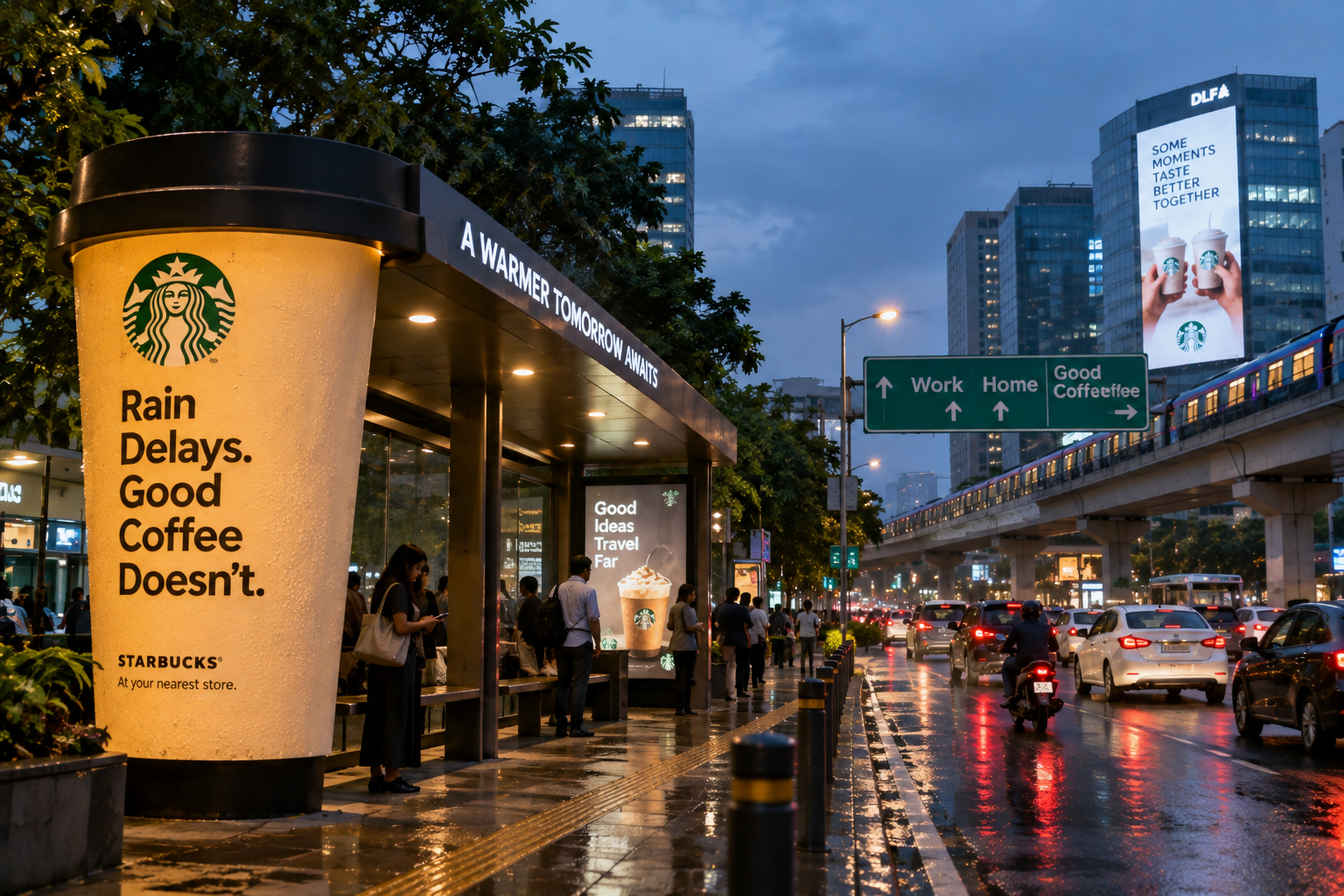
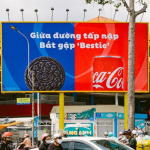
Unlike traditional outdoor advertising, AI-powered DOOH allows brands to adapt messaging instantly. For example, a beverage brand can display cold drink advertisements during high temperatures, while food delivery campaigns can activate during lunch or evening rush hours. This data-driven flexibility ensures that advertisements remain timely, engaging, and contextually relevant, increasing audience attention and campaign effectiveness.
The use of AI also enhances audience targeting and campaign optimization. Advanced analytics help advertisers understand movement patterns, audience demographics, and engagement levels across various locations. As a result, brands can strategically schedule content and optimize placements to maximize visibility and return on investment. This intelligent approach transforms DOOH from a static branding tool into a responsive and interactive communication platform
How Real-Time Data Is Revolutionizing Consumer Engagement
One of the biggest advantages of AI-powered DOOH is its ability to create personalized and immersive consumer experiences. Dynamic digital screens can now react to live environments, making outdoor advertising feel more connected to everyday life. Interactive displays, motion-triggered creatives, and location-aware messaging help brands capture public attention in highly competitive urban environments.
AI-driven automation also improves operational efficiency for advertisers. Campaigns can be monitored, updated, and optimized remotely in real time without replacing physical creatives. This reduces production costs while allowing brands to experiment with multiple creative formats and messaging strategies quickly.