







The outdoor advertising industry has always evolved alongside urban development. However, in recent years, the impact of policy changes on outdoor and transit advertising formats has become far more significant. Governments and local authorities are introducing new regulations to improve city aesthetics, ensure commuter safety, and promote sustainable advertising practices.
As a result, advertisers, media owners, and brands must now rethink how they plan and execute outdoor and transit campaigns. While these regulations create challenges, they also unlock opportunities for innovation and smarter media planning. Therefore, understanding policy-driven shifts is essential for long-term campaign success.
Understanding Policy Changes in Outdoor and Transit Advertising
Policy changes typically arise from concerns related to traffic safety, visual pollution, public infrastructure usage, and environmental responsibility. Consequently, authorities are enforcing stricter guidelines on ad placement, format size, illumination levels, and content approval.
Moreover, transit authorities managing metros, buses, railways, and airports are standardising advertising formats. This structured approach helps maintain consistency while still allowing brands to communicate effectively. As policies continue to evolve, advertisers must remain compliant to avoid penalties and campaign disruptions.
Impact of Policy Changes on Traditional Outdoor Advertising Formats
Restrictions on Hoardings and Billboards
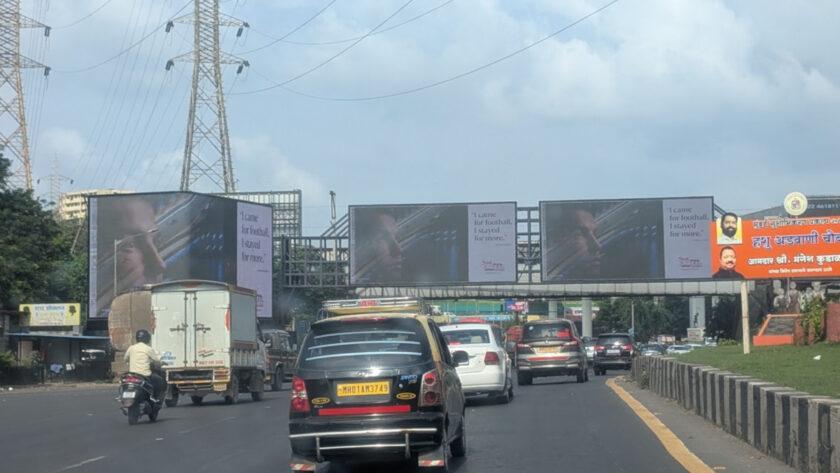
One major impact of policy changes on outdoor advertising formats is the reduction of unipole and rooftop hoardings. Many cities have introduced height limitations and zoning restrictions. As a result, advertisers now face limited inventory in prime arterial roads.
However, this shift has increased the value of authorised, high-visibility locations. Brands are now focusing on fewer but more impactful placements, ensuring better creative quality and stronger recall.
Increased Focus on Safety and Structural Compliance
Authorities now demand certified structures, wind-load testing, and periodic safety audits. Although this increases operational costs, it also improves long-term credibility of outdoor media. Consequently, advertisers benefit from safer and more reliable display environments.
Impact of Policy Changes on Transit Advertising Formats
Metro Advertising Regulations
Metro rail corporations have introduced strict branding guidelines covering platform screens, train wraps, concourse branding, and entry gate displays. These policies ensure passenger movement remains uninterrupted.
As a result, advertisers must design creatives that are concise, legible, and strategically placed. Despite the limitations, metro advertising continues to deliver premium audience engagement due to high dwell time.
Bus and Bus Shelter Advertising Controls
Transit departments increasingly regulate bus exterior wraps and shelter displays. Policies now specify permissible colours, coverage percentage, and reflective materials.
However, these rules have led to better visual uniformity. Brands now adopt cleaner designs that enhance visibility without overwhelming commuters.
Airport Advertising Compliance Norms
Airport advertising policies are among the strictest. Security clearance, content approval, and installation timelines are tightly controlled. Yet, airports remain one of the most premium advertising environments, offering unmatched audience quality and brand prestige.
Rise of Digital OOH Due to Policy Evolution
One positive outcome of regulatory reform is the accelerated adoption of Digital Out-of-Home (DOOH) advertising. Since digital screens allow remote monitoring and content control, authorities prefer them over static formats.
Additionally, DOOH enables time-based messaging, contextual advertising, and emergency content integration. Therefore, advertisers increasingly allocate budgets toward compliant digital formats that align with smart city initiatives.
How Advertisers Are Adapting to Policy Changes
Strategic Media Planning
Brands now rely heavily on data-driven planning rather than blanket visibility. With limited formats available, advertisers prioritise high-traffic zones, transit hubs, and premium commuter touchpoints.
Creative Optimisation
Due to stricter size and content regulations, creatives must communicate faster. As a result, advertisers focus on bold visuals, minimal copy, and strong branding cues.
Collaboration with Authorised Media Owners
Working with approved media partners ensures smoother approvals and uninterrupted campaign execution. Consequently, advertisers minimise risk while maintaining regulatory compliance.
Opportunities Created by Policy Changes
Although regulations appear restrictive, they also create structured growth opportunities:
-
Improved media quality and maintenance
-
Reduced clutter and better brand recall
-
Higher trust in outdoor advertising environments
-
Integration of technology-driven formats
Therefore, the impact of policy changes on
outdoor and transit advertising formats is not purely limiting—it is transformational.
Future Outlook for Outdoor and Transit Advertising
Looking ahead, policies will continue aligning with urban planning and sustainability goals. Smart cities will increasingly integrate digital screens, programmatic DOOH, and environmentally responsible materials.
Advertisers who adapt early will gain a competitive advantage. Moreover, brands that embrace compliant innovation will achieve stronger engagement and long-term visibility.
Conclusion
The impact of policy changes on outdoor and transit advertising formats has fundamentally reshaped how brands approach physical media. While regulations introduce new boundaries, they also elevate industry standards and encourage innovation.
By understanding evolving guidelines, optimising creatives, and choosing compliant formats, advertisers can continue to leverage outdoor and transit media effectively. Ultimately, policy-driven transformation is guiding the industry toward a more organised, premium, and future-ready advertising ecosystem.