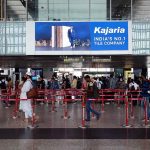
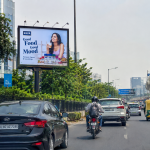
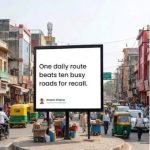
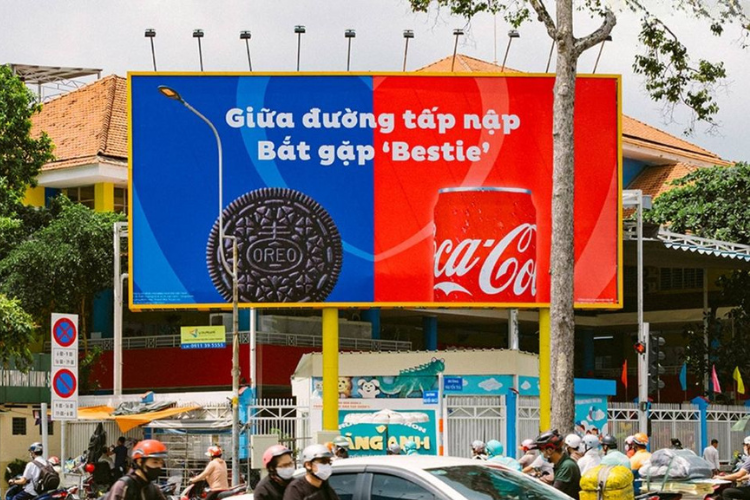
Outdoor advertising becomes more powerful when different formats work together rather than functioning as isolated media placements. A billboard may establish the main campaign message, while a metro, bus, cab or DOOH screen can reinforce the same communication in another environment.
The Media Layering Strategy is built around this coordinated approach. Instead of asking one format to deliver everything, brands can assign different communication roles to different OOH media.
Creating Continuity Across the City
Consumers move through multiple environments during a typical day. They may see a billboard while travelling, encounter a branded bus during their commute, pass a DOOH screen near a commercial district and later notice the same brand near a retail location.
Using a consistent campaign idea across these environments creates visual continuity. The creative may adapt to each format, but the central brand message remains recognizable.
Giving Every Format a Different Role
Effective media layering does not mean placing exactly the same creative everywhere.
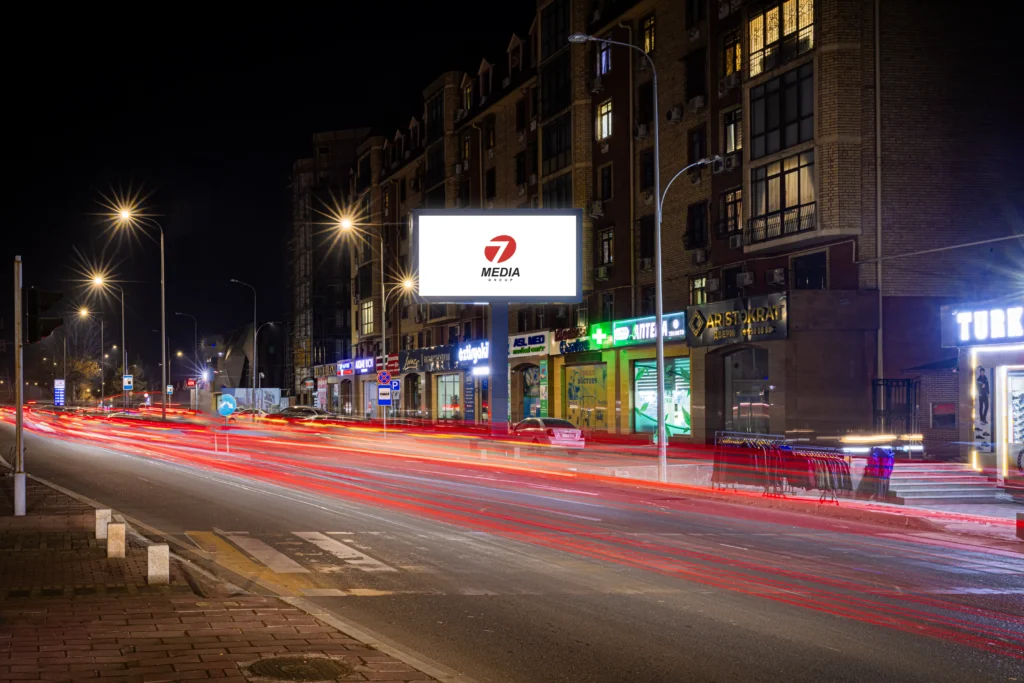
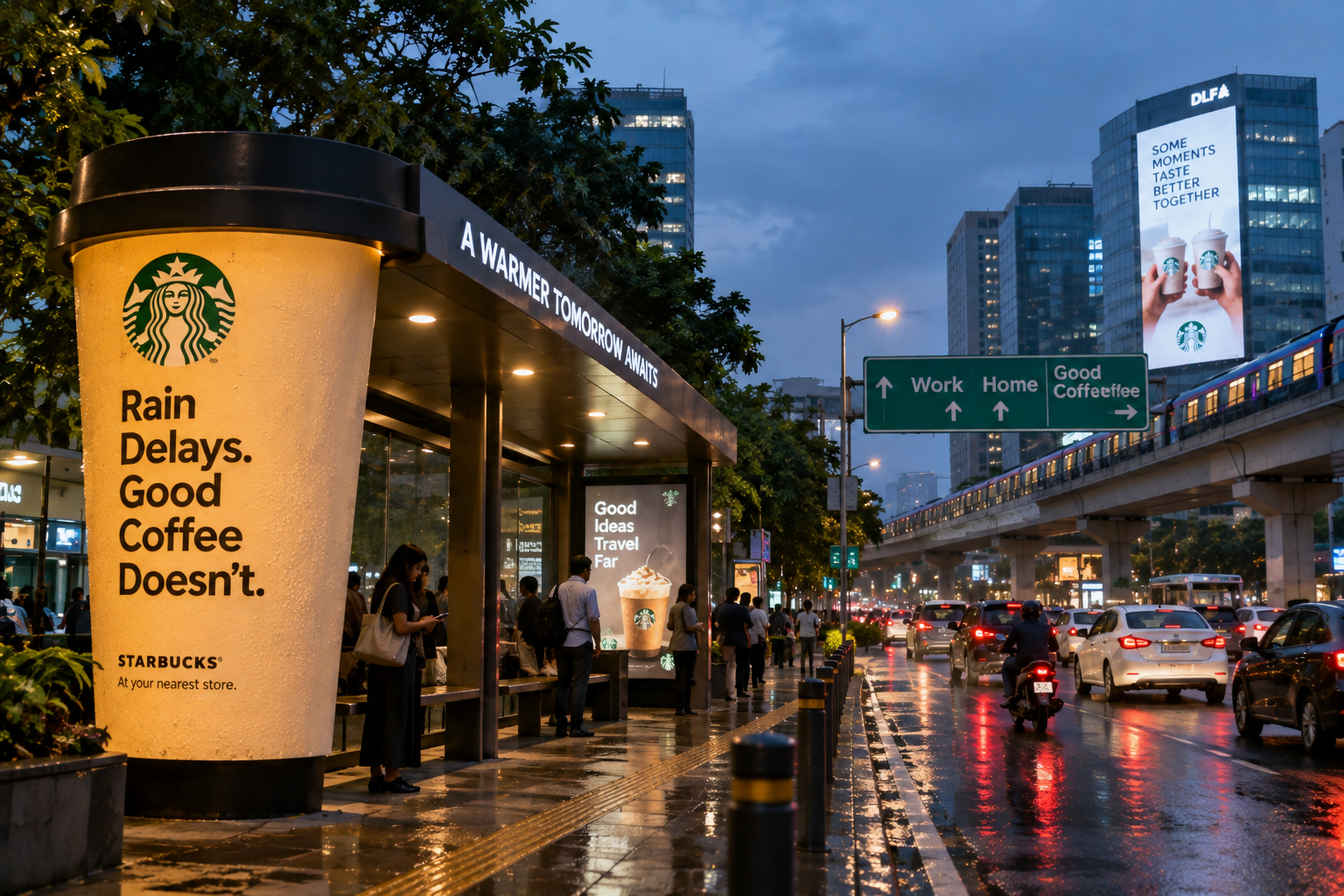
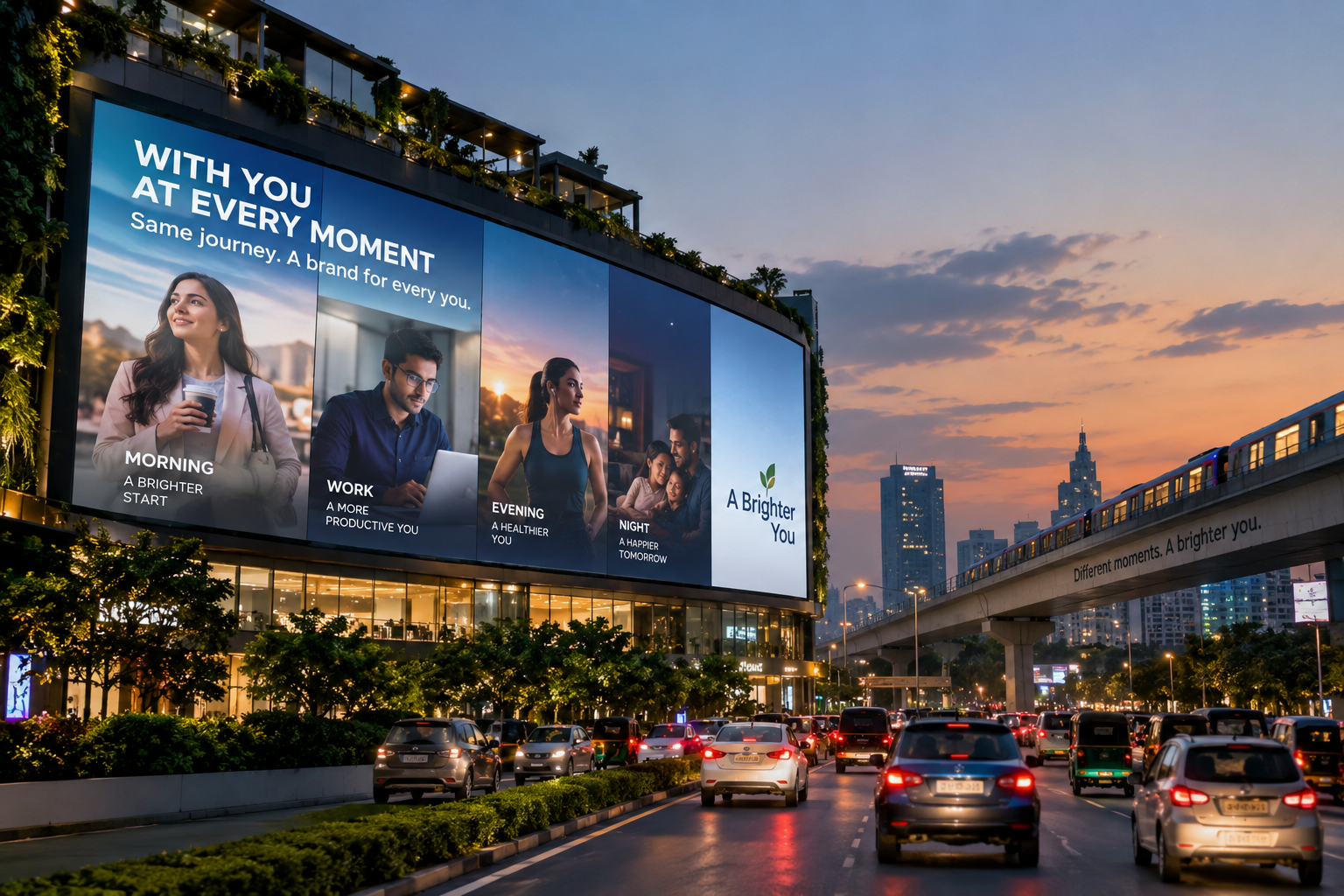
A large billboard can deliver the primary visual statement. Metro or bus branding can provide extended exposure during travel. DOOH can introduce motion, changing messages or time-sensitive communication. Retail-area media can bring the campaign closer to the point of purchase.
Each format therefore contributes something different while supporting the same campaign objective.
From Media Placement to Consumer Journey
The strength of layered OOH lies in its ability to connect different stages of a consumer’s movement through a city.
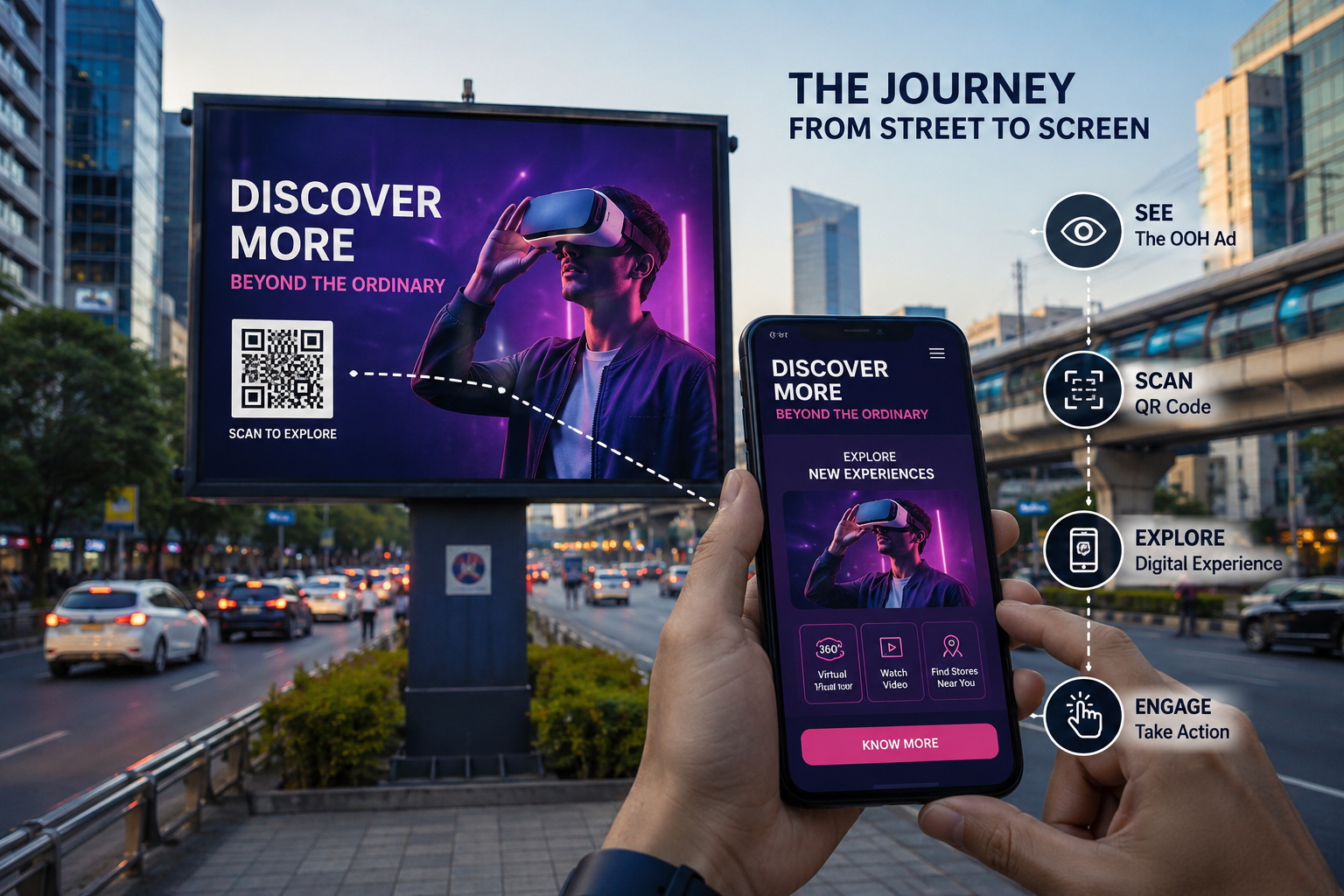
For example, a campaign could begin with high-impact roadside media to establish awareness, continue through transit environments to build frequency and appear on digital screens in commercial areas to maintain visibility.
This creates a campaign ecosystem rather than a collection of unrelated advertisements.
Maintaining One Strong Brand Thought
Consistency is essential when multiple formats are involved. The colour palette, visual identity, campaign line, product representation or central creative idea can remain consistent while the execution changes according to the media environment.
This allows consumers to recognize the same campaign across different locations without making every advertisement look identical.
Planning OOH as an Integrated Network
The Media Layering Strategy encourages marketers to think beyond individual media bookings. Instead, planners can map where consumers travel, where they spend time and which environments provide opportunities for repeated brand exposure.
By combining billboards, DOOH, transit, airport, metro, bus, cab and retail media, brands can create a coordinated physical presence across key consumer touchpoints.
Building a Connected Outdoor Presence
OOH advertising does not have to operate as a single-format medium. When different formats are strategically connected, each placement can contribute to a broader campaign narrative.
The Media Layering Strategy turns multiple OOH formats into a coordinated communication network—allowing one brand idea to travel across the city while adapting naturally to every environment.