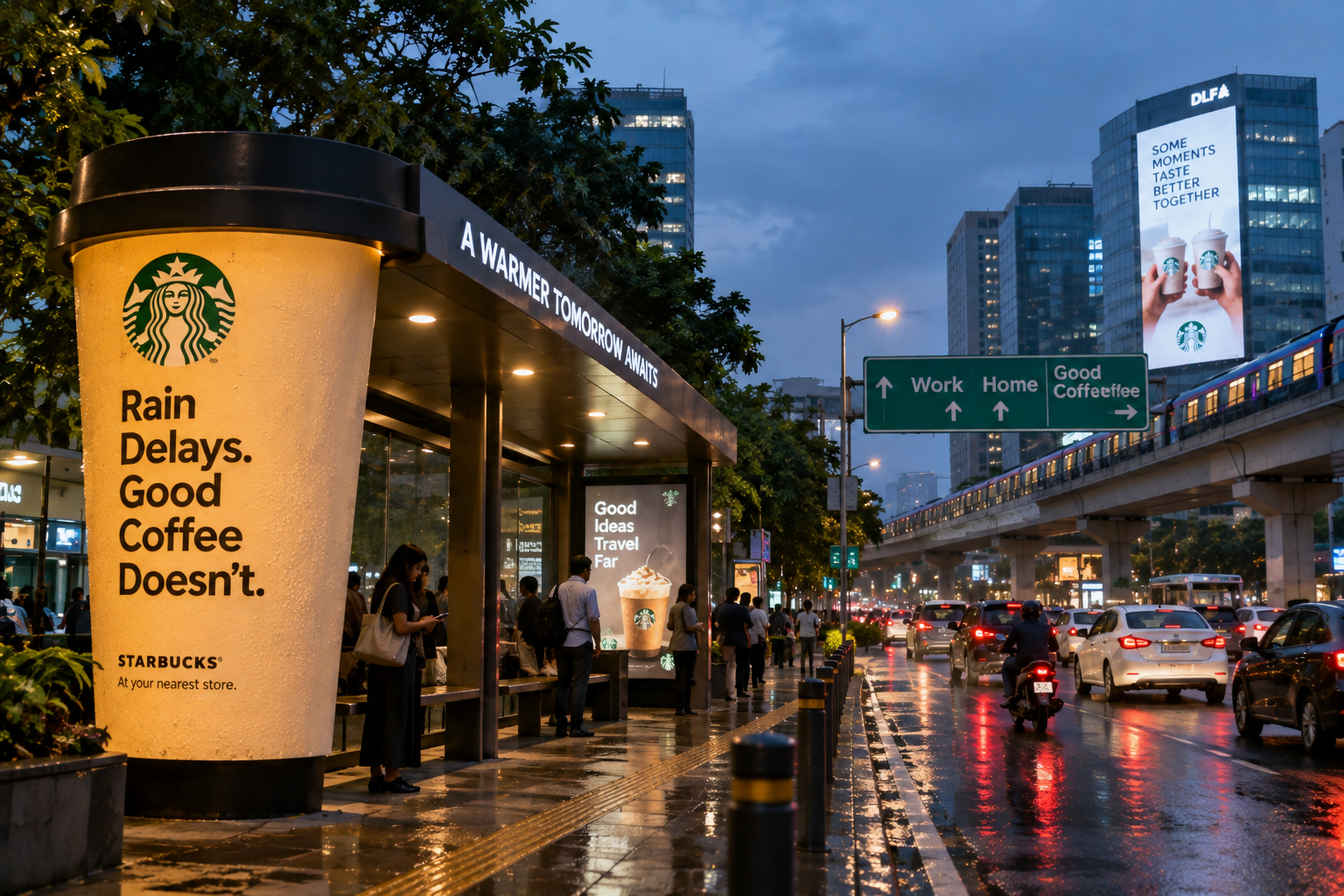


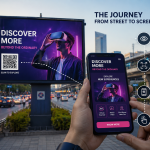
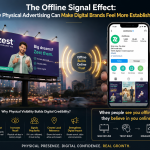
For decades, advertising has been built around the idea of a campaign: develop the creative, launch it across selected media, run it for a defined period and then move on to the next idea. But consumer behaviour has changed dramatically. People no longer experience brands in neatly defined campaign windows. They encounter them throughout the day—while commuting, shopping, travelling, working and navigating cities.
This shift is creating a new opportunity for always-on OOH marketing, where outdoor advertising becomes more than a temporary visibility exercise. Innovative OOH campaigns can keep brands present within consumers’ everyday environments while allowing communication to evolve with changing moments, locations and audience behaviour.
From Campaign Bursts to Continuous Brand Presence
An effective OOH campaign has traditionally been judged by its ability to generate attention within a specific period. However, today’s brands increasingly need consistent visibility to remain part of the consumer’s consideration set.
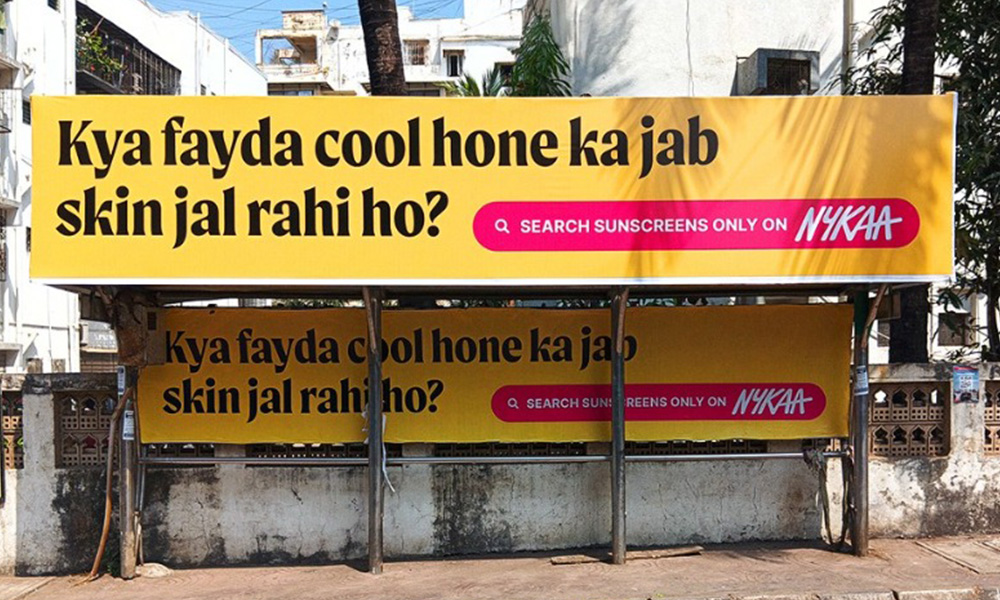
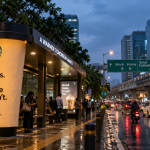
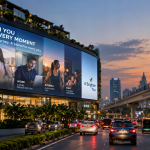
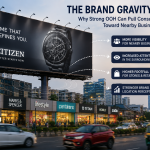
OOH offers a unique advantage in this environment because it operates in the physical world. A strategically placed billboard, transit branding installation, airport display or digital screen can repeatedly reach audiences during their daily journeys.
The objective is no longer simply to create one memorable campaign moment. It is to build a continuous brand presence that consumers encounter repeatedly.
Innovation Is Making OOH More Dynamic
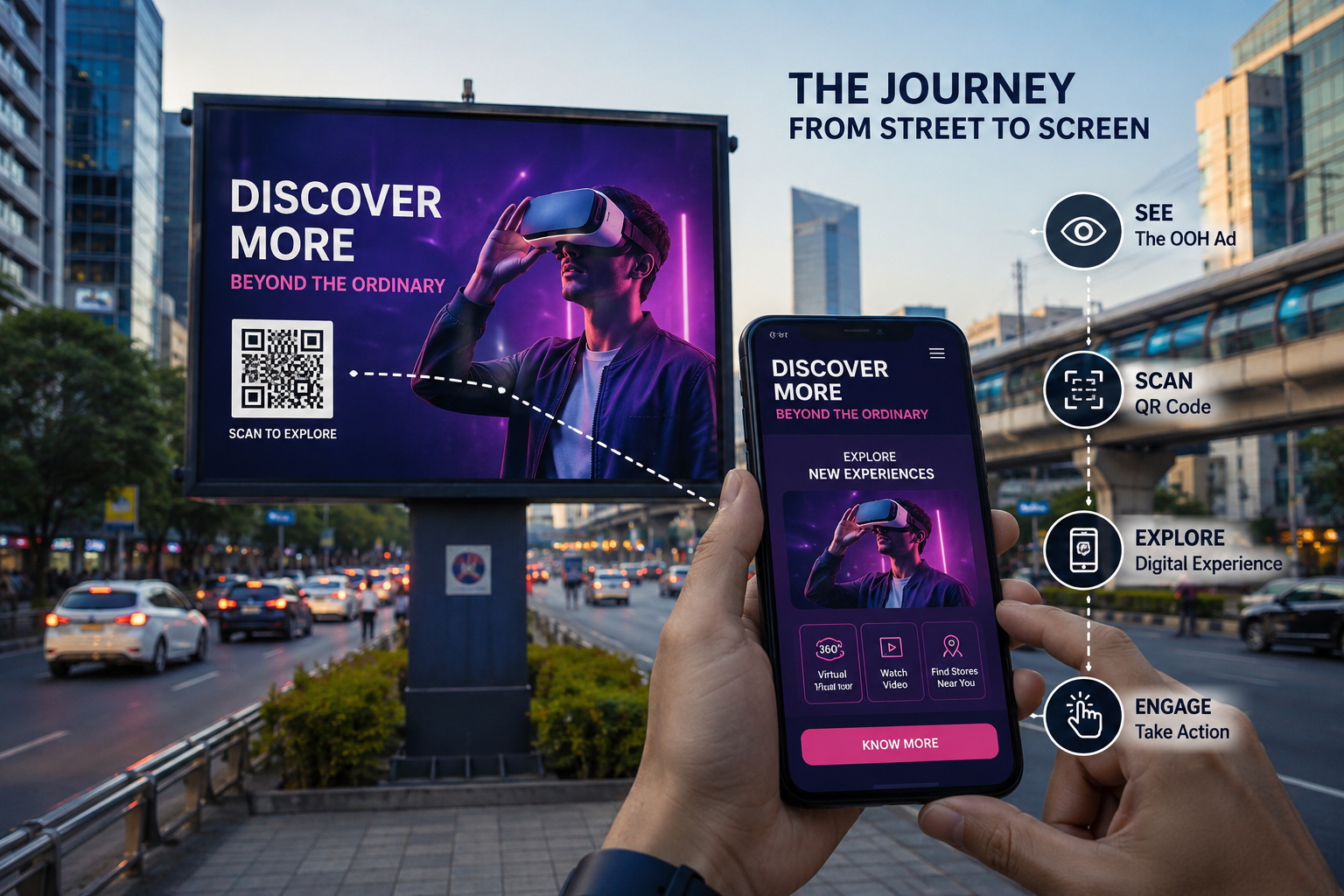
Technology is transforming the way brands use outdoor media. Digital screens, dynamic creative, real-time content and data-led communication allow brands to adapt their messaging instead of displaying the same creative throughout an entire campaign period.
This makes OOH more responsive to context.
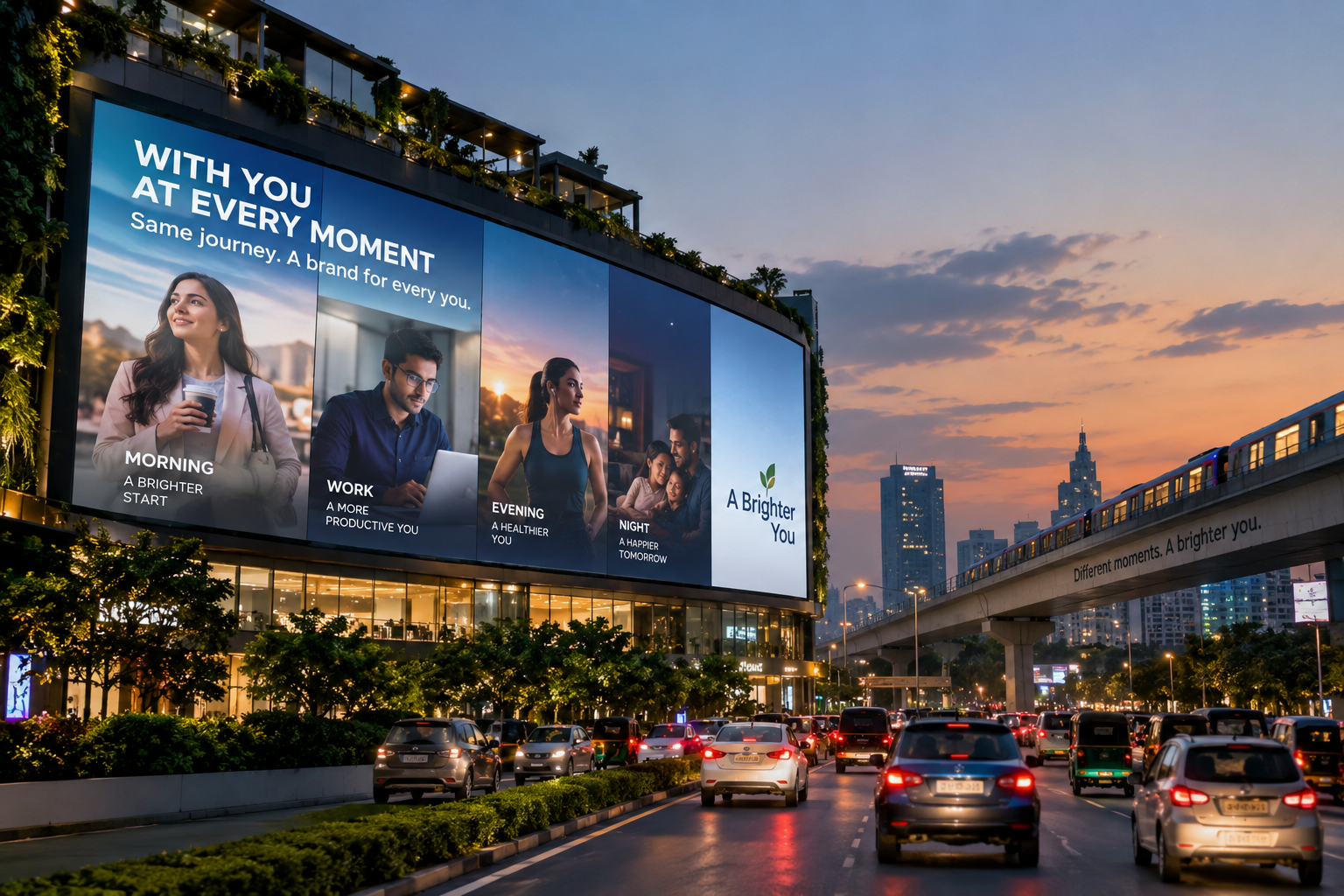
A brand can communicate differently during morning and evening hours, respond to changing consumer situations or adapt creative around important cultural and commercial moments. Instead of treating outdoor media as a static advertising space, marketers can use it as a continuously evolving communication platform.
This approach also creates greater opportunities for integration with social media, mobile, retail media and other digital channels.
The City Becomes Part of the Marketing Strategy
One of the most powerful aspects of innovative OOH is its ability to become part of the environment in which consumers live.
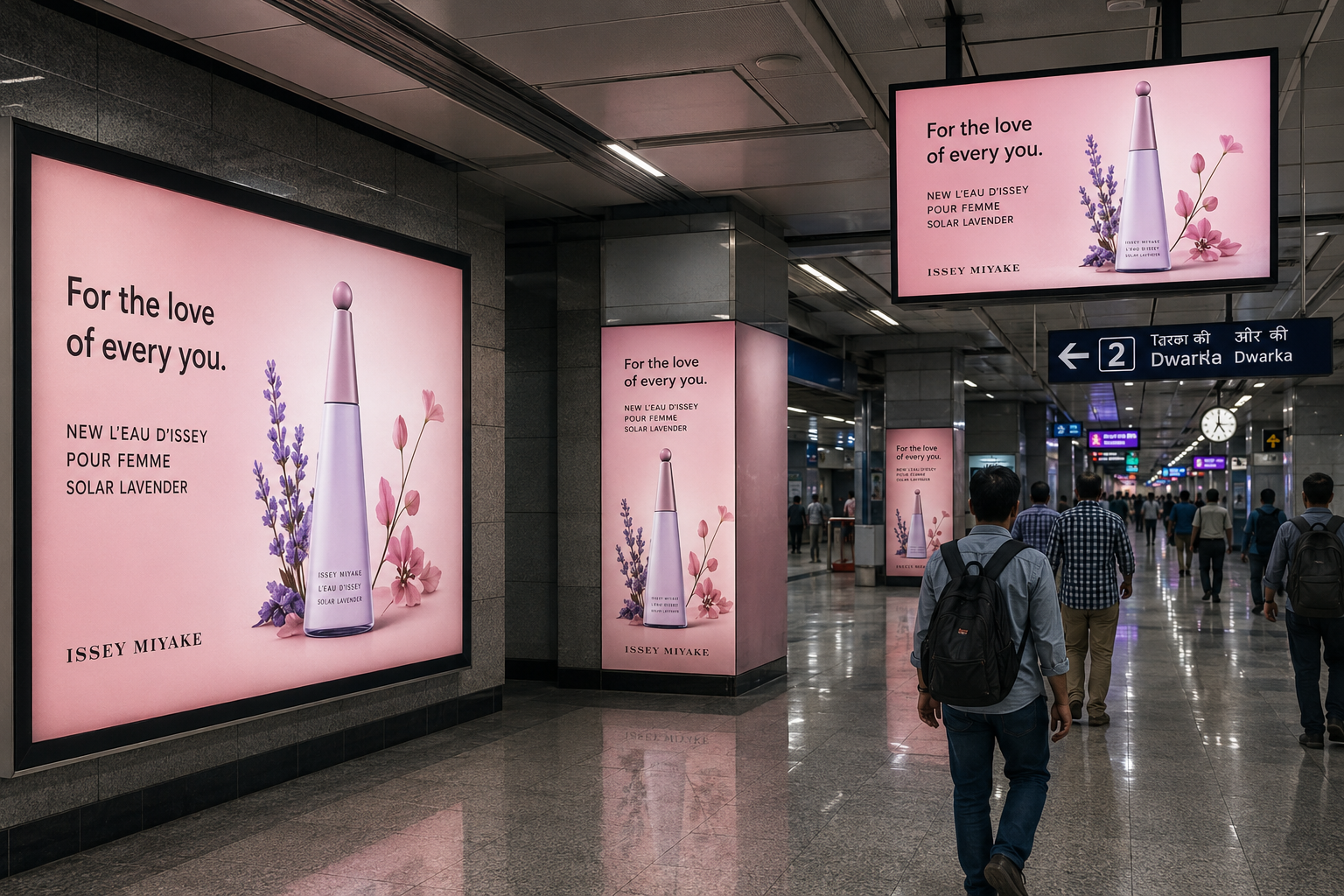
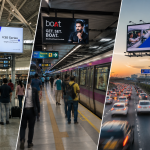
Airports can become premium brand touchpoints. Metro networks can create repeated commuter exposure. Shopping malls can influence consumers close to the point of purchase. Large-format outdoor media can establish visibility across busy urban corridors.
In each case, the environment contributes to the communication.
This means marketers can move beyond simply asking, “Where should we advertise?” and begin asking, “What is the consumer experiencing when they see our brand?”