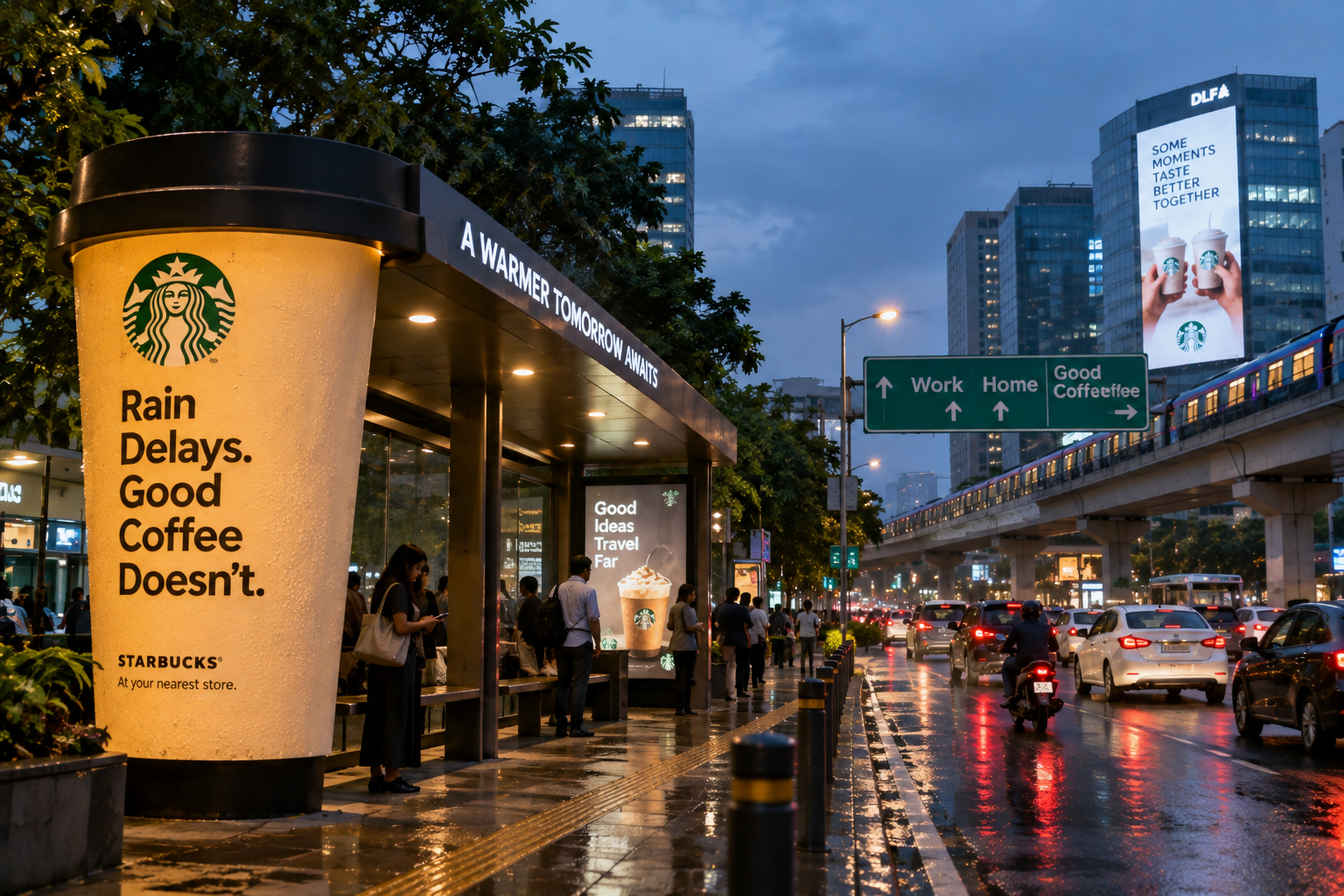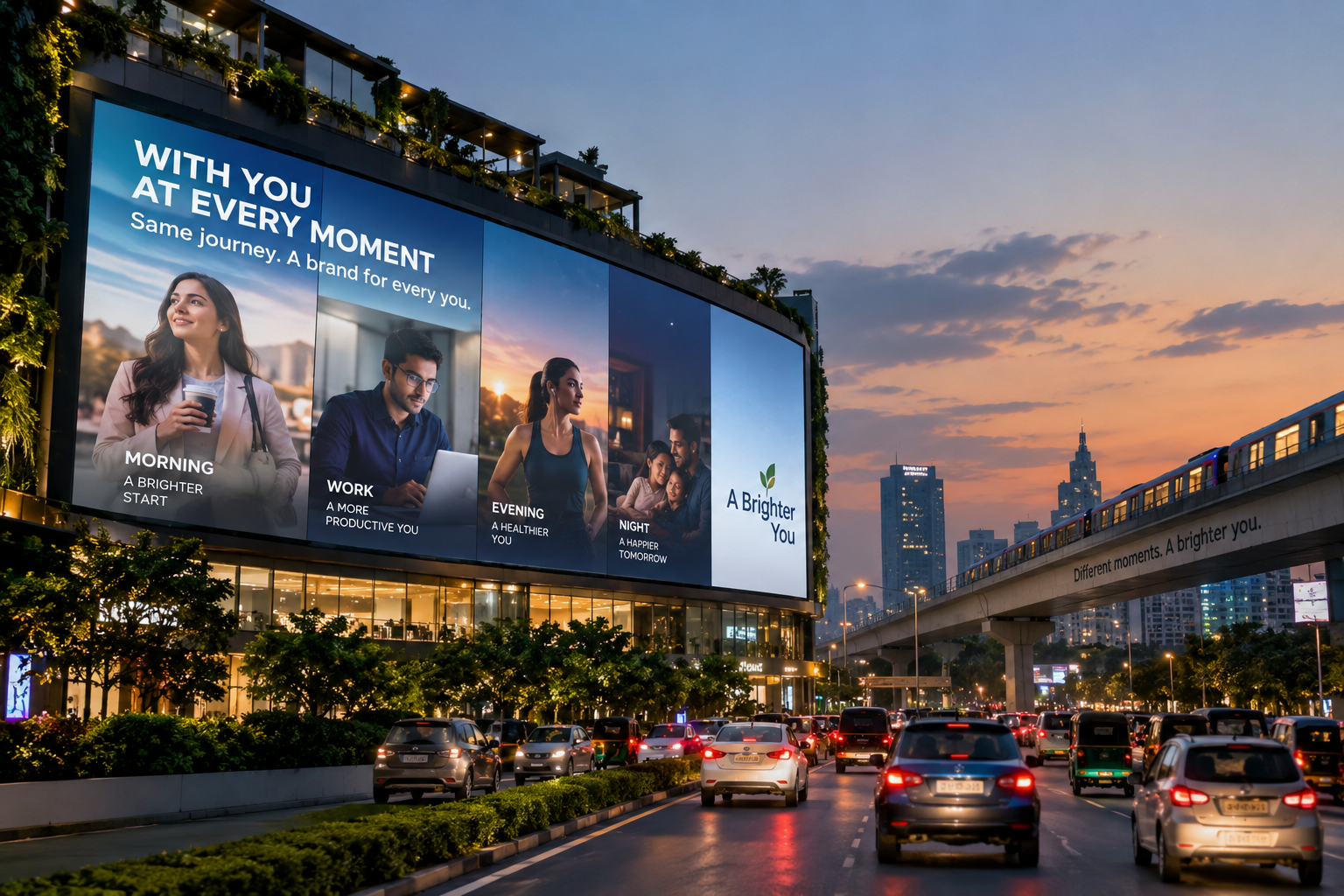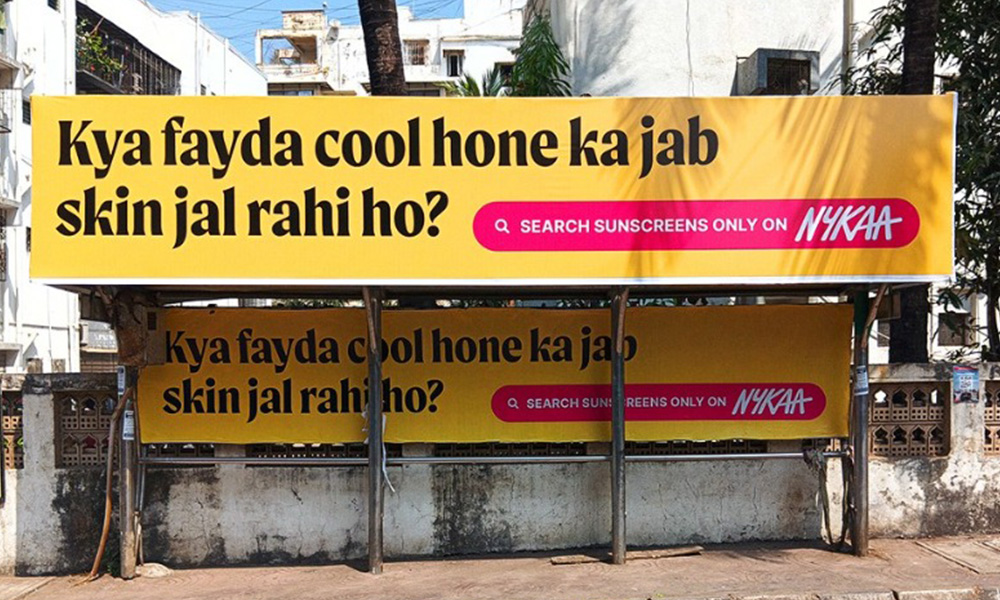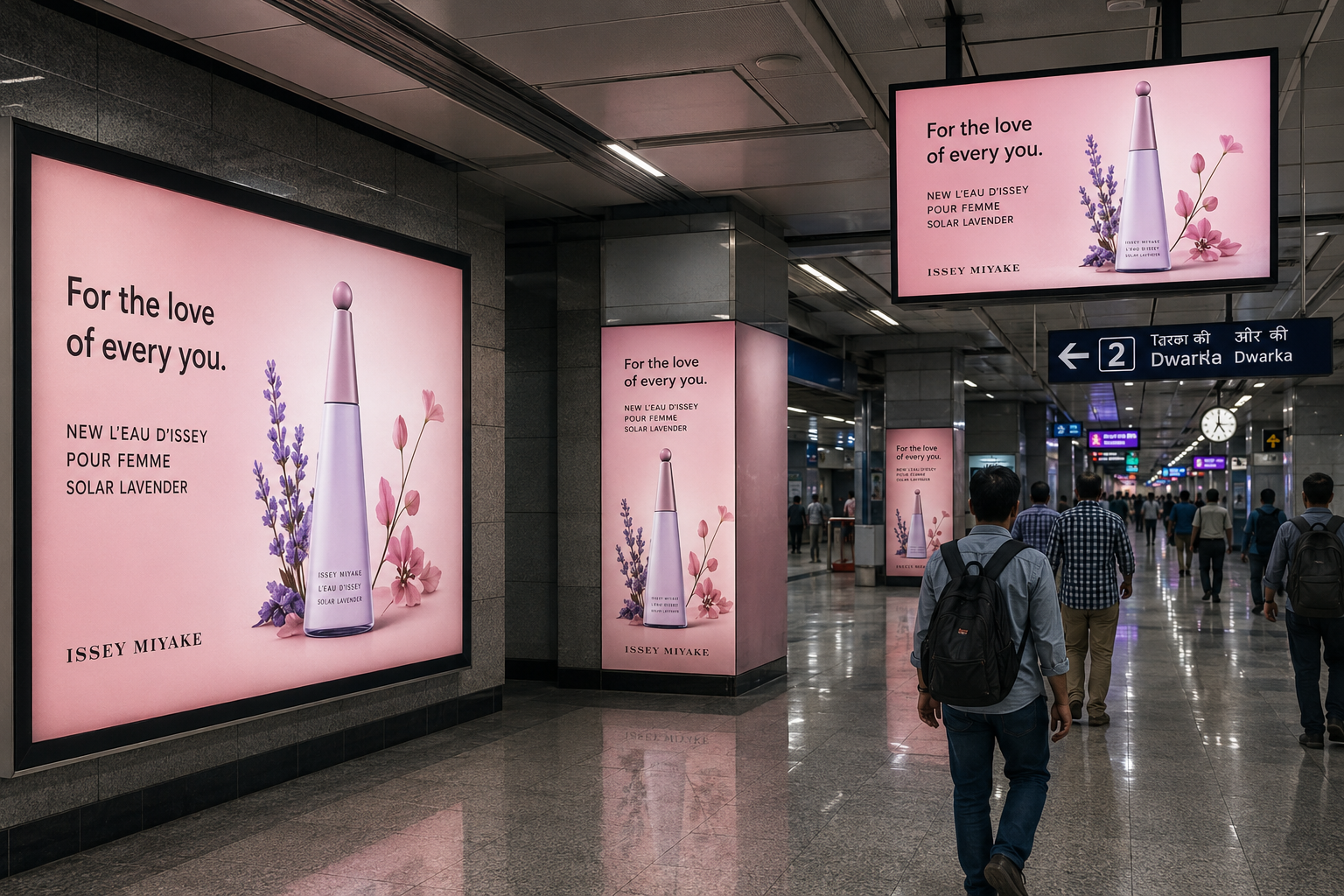

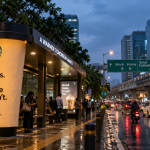
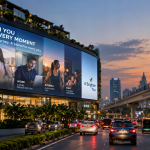

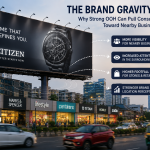
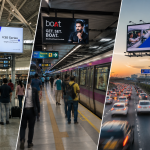
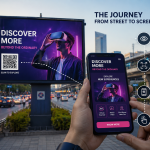

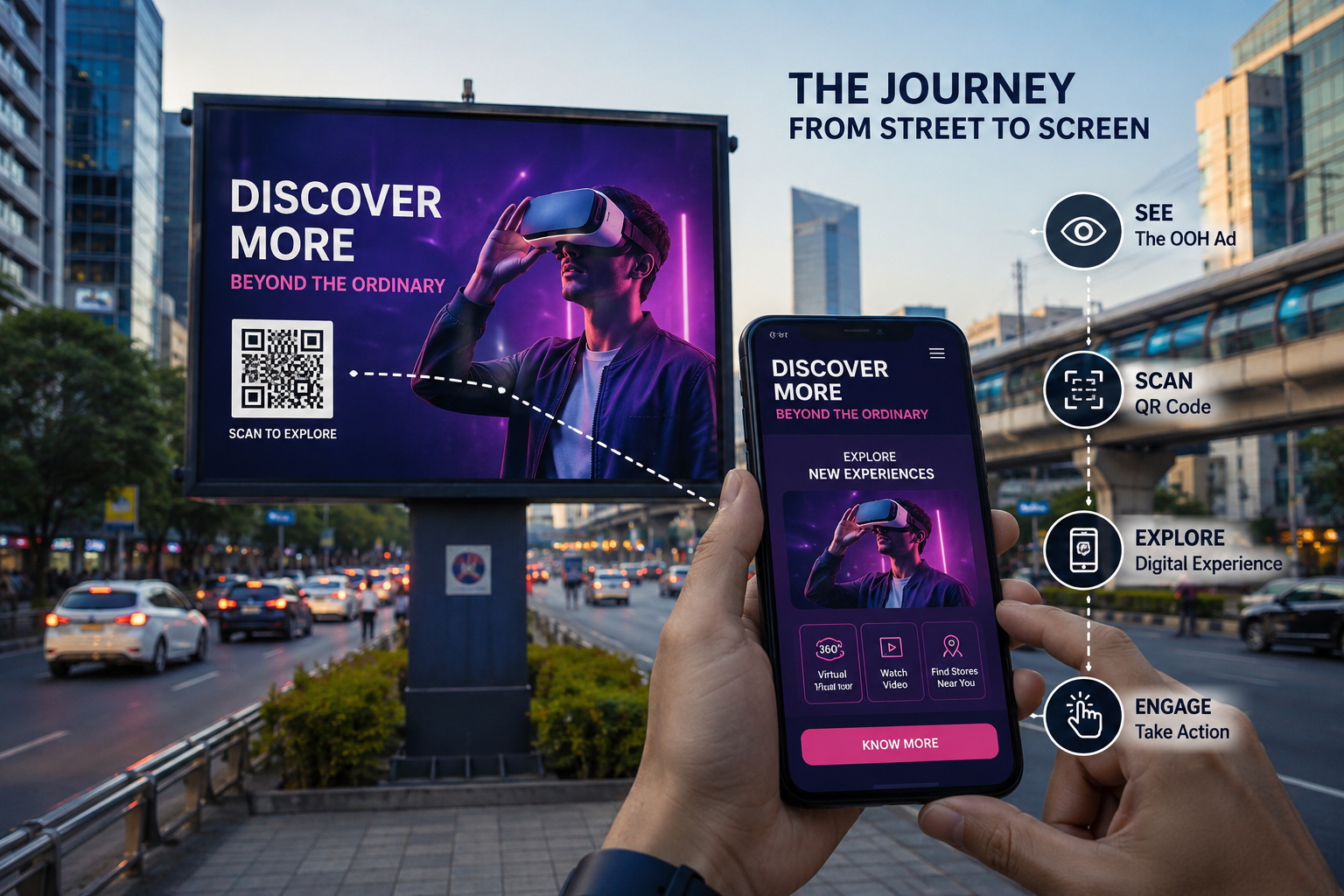
The real opportunity in modern OOH advertising begins when a physical impression does not end with visibility. Consumers today move continuously between physical and digital environments. They may notice a billboard while travelling, see a digital screen while waiting at an airport, encounter a branded cab on the road, or pass a transit advertisement on their daily commute. Within moments, that same consumer can search for the brand, visit a website, open an app, compare products or share content through a smartphone. This creates a powerful bridge between physical attention and digital intent.
Traditional outdoor advertising has always been effective at creating awareness and recall. However, connected OOH allows marketers to design what happens after the consumer notices the message. A strong creative can use a simple CTA, QR experience, short URL, location-based trigger or mobile interaction to encourage the audience to take the next step. The objective is not to overload the outdoor creative with technology, but to give the consumer a relevant reason to continue the journey.
Turning a Billboard Into a Starting Point
Imagine a consumer walking past an outdoor campaign for a new automobile. Instead of simply communicating the vehicle’s features, the advertisement could invite the consumer to explore the nearest showroom, book a test drive or experience an interactive product demonstration. The billboard creates the initial attention, while the smartphone becomes the next stage of the interaction.
The same principle can work across categories. A food-delivery brand can drive users toward an offer. A fashion brand can take consumers directly to a collection. A real-estate developer can connect an outdoor campaign to virtual property tours. A financial brand can move audiences toward an online calculator or application journey.
This changes the fundamental role of OOH. It is no longer simply a medium that delivers impressions. It can become a medium that initiates journeys.
Designing for the Second Screen
For marketers, the challenge is to think beyond the billboard itself. The creative needs to answer one important question: What should the consumer do after seeing this?
That answer could be a search, scan, visit, download, booking, purchase or social interaction. When the transition is simple and relevant, OOH can become an important bridge between brand awareness and measurable digital engagement.
The future of OOH therefore lies not in choosing between physical and digital media, but in connecting both intelligently. The strongest campaigns will capture attention on the street and give that attention a meaningful destination on the screen.