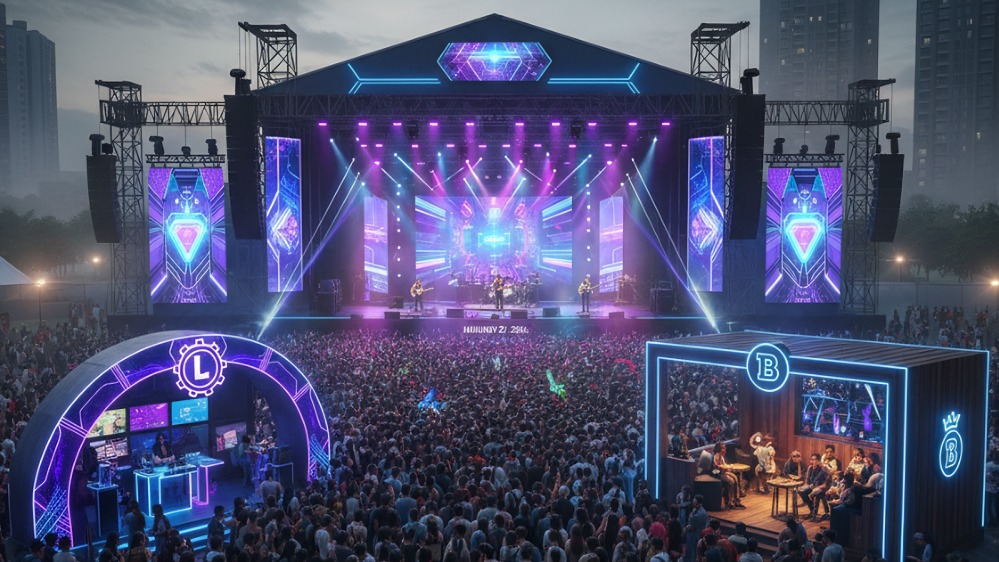






In today’s fragmented media ecosystem, where consumers encounter thousands of messages daily, what surrounds a brand message now matters as much as the message itself. As attention becomes limited and trust increasingly fragile, media context has emerged as a critical driver of brand perception.
Brands are no longer evaluated only by what they say, but also by where, when, and alongside what content they appear. Consequently, marketers are rethinking media planning strategies to ensure their communication environments reinforce—not weaken—brand meaning.
This shift marks the rise of context-driven marketing.
Understanding Media Context in Modern Advertising
Media context refers to the environment in which an advertisement appears. This includes the platform, location, surrounding content, audience mindset, and moment of exposure.
For example, the same message can be perceived very differently when displayed:
-
On a premium outdoor site
-
Inside a cluttered mobile feed
-
During a commute
-
Within a high-trust environment such as airports or business districts
Therefore, context influences how consumers interpret credibility, quality, and relevance.
Why Media Context Now Shapes Brand Meaning
As digital media has scaled rapidly, brand messages increasingly appear next to unrelated or low-quality content. Algorithms prioritize efficiency and engagement, not perception.
As a result, brands often lose control over the environments that shape consumer interpretation.
In contrast, consumers subconsciously absorb contextual cues. Clean, premium, or purposeful environments elevate brand perception, while cluttered or intrusive contexts can dilute it.
Thus, media context now functions as a silent brand signal.
The Shift From Reach-Based to Meaning-Based Media Planning
Traditional media planning focused on reach and frequency. However, exposure without relevance no longer guarantees impact.
Modern marketers now evaluate:
-
Quality of environment
-
Audience mindset at the moment of exposure
-
Emotional compatibility between brand and context
This evolution shifts planning from quantity toward quality of impressions.
How Media Context Influences Consumer Psychology
Context affects perception through several psychological mechanisms:
-
Association: Brands inherit traits of their environment
-
Priming: Context prepares the mind to interpret messages in a certain way
-
Credibility transfer: Trusted environments increase message believability
-
Attention framing: Calm or focused settings improve message retention
Because of these effects, context directly influences how a brand feels—not just how it looks.
High-Impact Contexts That Strengthen Brand Perception
Certain environments consistently enhance brand meaning due to mindset and behavior alignment.
These include:
-
Transit hubs with habitual exposure
-
Airports associated with aspiration and trust
-
Business districts linked to professionalism
-
Premium outdoor locations with strong visibility
In such spaces, consumers are more receptive, attentive, and emotionally neutral—ideal conditions for perception-building.
Contextual Consistency Across Channels
Brand perception strengthens when context aligns across platforms. When digital messaging reflects the same tone as physical media, coherence increases.
For example, a premium brand using refined outdoor placements should maintain similar design language online. Inconsistent contexts create cognitive dissonance and weaken trust.
Therefore, context planning must extend beyond individual channels.
Media Context as a Brand Differentiator
In cluttered categories, context becomes a differentiator. Two brands may share similar messages, but the one appearing in better environments often commands higher trust.
Context communicates:
-
Brand ambition
-
Market confidence
-
Target audience intent
As a result, placement strategy increasingly reflects brand positioning itself.
Measuring Context-Driven Brand Impact
Although context is intangible, its effects are measurable through perception metrics such as:
-
Brand lift studies
-
Sentiment analysis
-
Recall quality
-
Consideration improvement
These metrics help marketers understand not just whether consumers noticed the brand, but how they felt about it.
The Strategic Role of Context in Long-Term Brand Building
Short-term performance benefits from targeting. Long-term brand equity depends on perception.
Media context bridges this gap by shaping emotional and cognitive responses consistently over time. Brands that invest in favorable contexts build stronger mental availability and trust.
Therefore, context is no longer a tactical choice—it is a strategic one.
Conclusion
The role of media context has evolved from a background consideration to a central driver of brand perception. In a world where attention is scarce and trust is earned slowly, environments matter.
By prioritizing quality placements, aligning brand meaning with context, and planning media through a perception-first lens, marketers can significantly enhance brand strength.
Ultimately, brands are not just seen—they are judged by where they appear.