




Outdoor advertising in India has come a long way from static hoardings and wall posters to dynamic, data-driven, and measurable brand experiences. Once considered a traditional medium, Out-of-Home (OOH) advertising has reinvented itself through technology and innovation — driven by Digital Out-of-Home (DOOH) formats and hyperlocal targeting strategies that make campaigns smarter, more relevant, and impactful.
In 2025, this transformation is accelerating faster than ever. As cities grow, traffic increases, and digital adoption soars, OOH is no longer just about visibility — it’s about precision, personalization, and performance. Let’s explore how this evolution is reshaping the outdoor advertising ecosystem in India.
From Static Billboards to Smart Screens
The Early Era: Reach Without Precision
For decades, outdoor advertising in India focused on mass visibility. Hoardings, wall paintings, and bus shelters provided wide coverage but offered little data about audience behavior or campaign performance.
Brands used OOH primarily for awareness, without knowing exactly who saw their ads or how it influenced action. Despite these limitations, OOH remained an essential medium due to its unmatched scale and public presence.
The Shift: The Arrival of Digital Out-of-Home (DOOH)
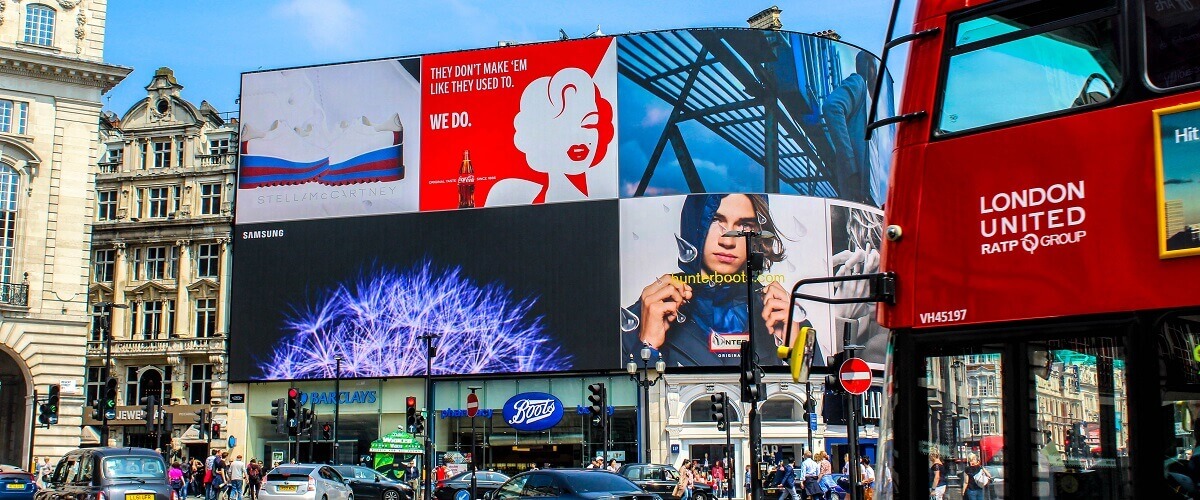
The entry of Digital Out-of-Home advertising transformed the way brands communicate outdoors. DOOH integrates LED billboards, digital kiosks, mall screens, and transit displays powered by real-time content delivery and data analytics.
Unlike static hoardings, DOOH allows advertisers to:
-
Run dynamic creatives that change based on time, weather, or audience behavior.
-
Track impressions and engagement metrics.
-
Update content instantly across multiple locations.
-
Integrate with mobile, social, and programmatic platforms for cross-channel storytelling.
This digital transformation made OOH measurable, flexible, and contextually relevant, turning it into a performance-driven medium.
How DOOH Is Reshaping Outdoor Advertising in India
1. Real-Time Data and Dynamic Targeting
Today, DOOH campaigns are powered by AI and IoT sensors, which collect real-time data such as weather conditions, traffic density, or audience demographics.
For example, a beverage brand can display cold drink ads when the temperature crosses 30°C or switch to hot beverage messaging during monsoon. This data-driven customization ensures that ads are both relevant and timely — improving consumer recall and engagement.
Advertisers can also sync DOOH screens with mobile geo-data, allowing users who view a billboard to receive follow-up ads on their smartphones. This OOH-to-digital integration creates a unified consumer journey.
2. Programmatic OOH Buying
Programmatic advertising has revolutionized how DOOH inventory is purchased and optimized. Brands can now buy ad space in real time, targeting specific audiences rather than just locations.
This automated system uses algorithms to decide when, where, and to whom an ad should appear — maximizing both cost efficiency and impact. In cities like Mumbai, Delhi, and Bengaluru, several OOH networks now support programmatic DOOH, making outdoor advertising smarter and more accountable.
This evolution helps marketers measure reach, frequency, and ROI with the same precision as online campaigns.
3. Integration with Social Media and Digital Campaigns
DOOH is no longer a standalone channel — it’s part of a larger omnichannel ecosystem.
Brands are syncing their outdoor ads with digital and social campaigns, encouraging real-world interactions that extend online. For example:
-
Hashtag-based challenges linked to mall or metro screens.
-
QR codes on billboards that lead to mobile offers.
-
Real-time social media feeds displayed on digital hoardings.
These integrations help bridge the gap between physical presence and digital engagement, reinforcing brand visibility across multiple touchpoints.
The Rise of Hyperlocal Outdoor Targeting
1. Precision Over Proximity
Hyperlocal targeting has emerged as a key differentiator in modern OOH. Instead of running the same message citywide, brands now design custom creatives for specific neighborhoods or landmarks.
A café chain might target hoardings near tech parks with “Office break? Coffee’s on us,” while using a different message near universities. Similarly, real estate developers use location-based storytelling to promote projects in nearby catchment areas.
This neighborhood-level relevance not only improves response rates but also deepens brand connection with local audiences.
2. Smart City Infrastructure and IoT Integration
India’s Smart City initiatives are further fueling hyperlocal OOH growth. Digital screens installed across bus stops, metro stations, and airports are now connected to city-wide networks that deliver region-specific content.
Advertisers can schedule campaigns for particular times or local events — for instance, festival greetings in one area and sale announcements in another. This contextual delivery turns cityscapes into interactive storytelling canvases.
3. Data Partnerships and Audience Mapping
Brands are increasingly partnering with telecom providers and navigation platforms to map audience behavior. By analyzing commuter routes and traffic density, advertisers can identify high-exposure zones and optimize campaign placement.
For instance, by using aggregated mobility data, a brand can determine that its target audience travels along MG Road, Koramangala, or Western Express Highway during peak hours — and schedule digital ads on those routes.
This level of targeting brings outdoor advertising closer to precision marketing, something previously achievable only online.
The Benefits of DOOH and Hyperlocal Advertising
1. Measurable Campaign Impact
DOOH systems provide performance dashboards that track impressions, dwell time, and engagement. Advertisers no longer rely solely on estimates — they access real, data-backed metrics that align with digital KPIs.
2. Enhanced Consumer Engagement
Dynamic and localized creatives keep audiences interested. Whether it’s weather-triggered visuals or festival-specific greetings, DOOH makes outdoor content fresh, timely, and interactive.
3. Seamless Omnichannel Integration
OOH ads can now be connected with online retargeting, mobile notifications, or even in-store experiences — offering a unified marketing journey from awareness to action.
4. Increased ROI and Efficiency
Through automation, advertisers can reduce wastage, allocate budgets effectively, and reach the right audience at the right moment, improving campaign ROI significantly.
Challenges in India’s DOOH Ecosystem
While DOOH and hyperlocal targeting are on the rise, certain challenges still need resolution:
-
Fragmented inventory across operators limits scalability.
-
Standardization of measurement metrics is still evolving.
-
High infrastructure costs slow down adoption in Tier II and Tier III cities.
-
Data privacy regulations require careful handling of location-based information.
However, with growing advertiser demand and government-led smart infrastructure expansion, these challenges are steadily being addressed.
The Road Ahead: Smart, Sustainable, and Contextual OOH
By 2026, India’s DOOH market is projected to surpass ₹3,500 crore, growing at a CAGR of over 25%. Major cities such as Delhi NCR, Mumbai, Bengaluru, Hyderabad, and Pune are leading adoption, while smaller metros are catching up through cost-efficient digital screen networks.
The next phase will focus on:
-
Sustainability, with solar-powered LED billboards.
-
Programmatic automation for real-time optimization.
-
Augmented reality (AR) and interactive displays for immersive experiences.
-
Audience-first storytelling backed by location intelligence.
Outdoor advertising in India is no longer static — it’s smart, social, and strategic. As technology fuses with creativity, OOH is reclaiming its place as a high-impact medium that drives awareness, action, and loyalty.
Conclusion
The evolution of outdoor advertising in India reflects the perfect blend of art, technology, and audience insight. With Digital Out-of-Home (DOOH) formats and hyperlocal targeting, brands are turning public spaces into intelligent communication platforms.
For marketers, the key lies in integrating data-driven planning with creative storytelling — ensuring every impression counts, and every location tells a story.
In this new age of advertising, visibility is no longer enough — relevance is everything.