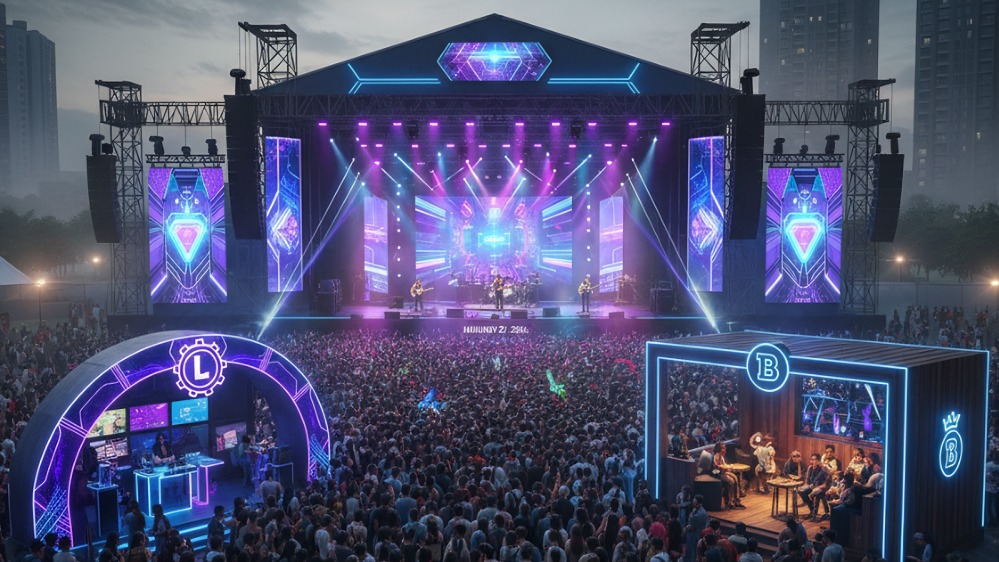





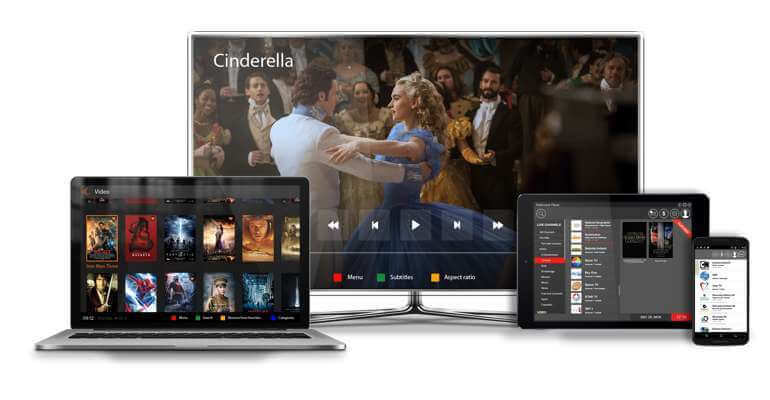
Consumer media behavior has changed fundamentally. Audiences no longer engage with a single platform or channel in isolation. Instead, they move fluidly between mobile apps, social media, OTT platforms, search engines, outdoor environments, and physical retail spaces throughout the day.
This shift has created the multi-platform consumer—a user whose journey is fragmented, continuous, and non-linear. As a result, traditional single-channel marketing approaches are no longer sufficient.
To remain effective, brands must adopt integrated marketing communication planning that accounts for how consumers interact across platforms in real time.
Understanding the Multi-Platform Consumer Journey
Multi-platform consumers switch contexts frequently. A single purchase decision may involve multiple touchpoints spread across time and devices.
For example, a consumer may discover a brand through outdoor visibility, research it on mobile, encounter it again on social media, and finally convert through an app or store.
Therefore, marketing communication planning must be designed as a connected system rather than isolated executions.
Why Traditional Channel-Based Planning Falls Short
Conventional planning treats platforms independently. Each channel receives separate budgets, creatives, and KPIs.
However, this approach ignores how consumers actually behave. Messages become inconsistent, repetition feels random, and brand recall weakens.
Moreover, fragmented planning leads to:
-
Inconsistent storytelling
-
Creative misalignment
-
Inefficient frequency
-
Conflicting performance metrics
As a result, overall campaign impact declines.
The Shift Toward Integrated Communication Planning
Modern marketing planning prioritizes cohesion. Instead of asking how each channel performs individually, brands focus on how channels work together.
Integrated communication planning ensures:
-
Unified brand narrative
-
Consistent visual identity
-
Strategic sequencing of messages
-
Reinforcement across touchpoints
This approach reflects real consumer behavior more accurately.
Key Principles of Marketing Communication Planning for Multi-Platform Consumers
1. Establish a Single Core Message
All platforms should reinforce one central brand idea. While execution may vary, the underlying message must remain consistent.
This clarity helps consumers recognize the brand regardless of where they encounter it.
2. Adapt Format Without Changing Meaning
Different platforms require different creative formats. However, meaning must not change.
For instance, a six-second digital video, a static outdoor ad, and a social post should communicate the same promise in platform-appropriate ways.
This balance preserves coherence while maximizing effectiveness.
3. Plan Communication Sequencing
Consumers rarely experience all touchpoints simultaneously. Therefore, planning should consider message order.
Awareness messages may appear first in high-visibility environments, followed by informative or conversion-focused messaging digitally.
Sequencing improves comprehension and reduces overload.
4. Manage Frequency Across Platforms
Excessive repetition on one platform causes fatigue, while insufficient exposure weakens recall.
Multi-platform planning allows brands to distribute frequency intelligently, achieving optimal exposure without overwhelming audiences.
5. Align Context With Consumer Mindset
Different platforms serve different mindsets. Consumers scroll social media casually, search with intent, and encounter outdoor media passively.
Aligning message tone with mindset improves receptiveness and perception.
The Role of Physical Media in Multi-Platform Planning
Physical media plays a critical role in multi-platform journeys. Outdoor, transit, and retail environments provide non-skippable exposure that strengthens familiarity.
These touchpoints often initiate awareness that digital platforms later reinforce.
Therefore, physical presence acts as an anchor within fragmented consumer journeys.
Measuring Effectiveness in Multi-Platform Communication
Traditional attribution models struggle to capture cross-platform influence. Brands increasingly rely on blended measurement frameworks.
Key indicators include:
-
Brand recall and recognition
-
Search uplift following offline exposure
-
Cross-channel frequency analysis
-
Long-term consideration metrics
These measurements reflect holistic impact rather than isolated performance.
Why Consistency Drives Brand Trust
Consumers associate consistency with reliability. When messaging remains aligned across platforms, trust increases.
Inconsistent communication creates doubt and weakens brand credibility.
Therefore, consistency is not merely a creative choice—it is a strategic requirement.
Preparing for the Future of Multi-Platform Marketing
As platforms continue to evolve, consumer journeys will become even more complex. Brands must design flexible communication systems that adapt without losing identity.
Scalable creative frameworks, integrated planning, and unified KPIs will define future success.
Conclusion
Marketing communication planning for multi-platform consumers requires a shift from channel-centric execution to journey-centric thinking.
By unifying messaging, aligning formats, managing frequency, and integrating physical and digital touchpoints, brands can create meaningful and memorable experiences.
In a world of constant platform switching, communication effectiveness depends not on where brands appear—but how well those appearances connect.