




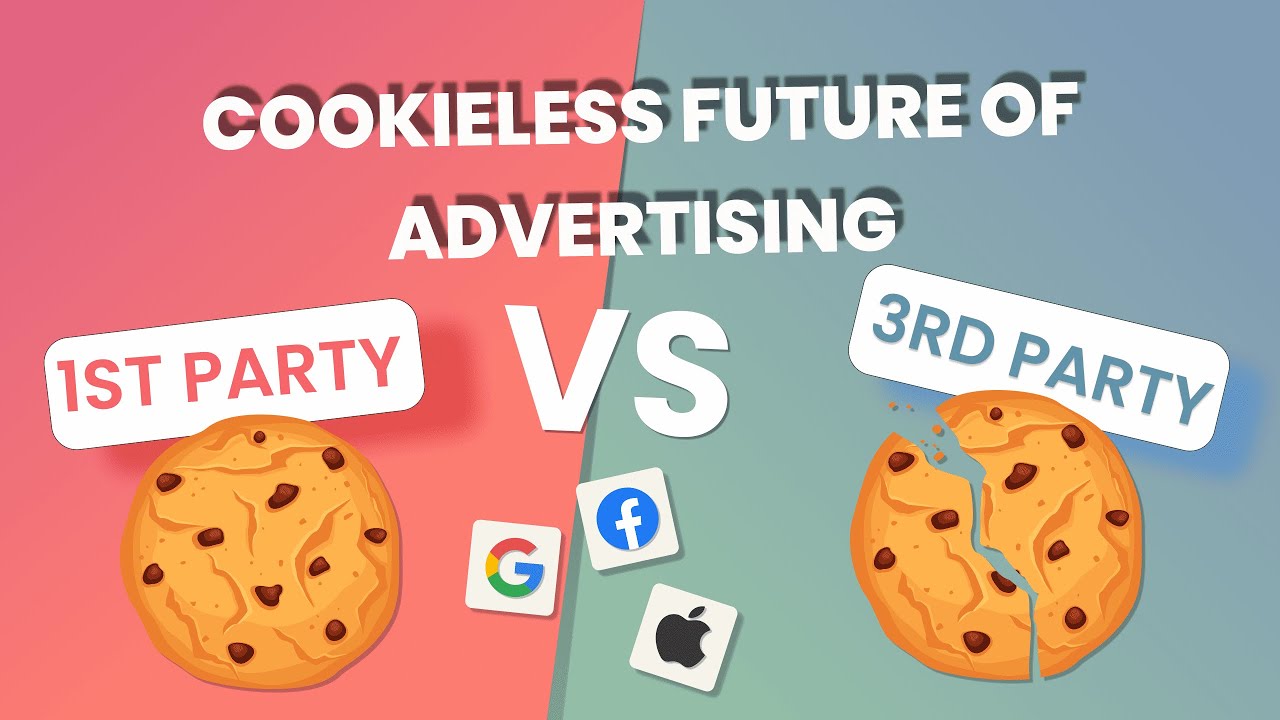
As the digital world shifts toward greater privacy and transparency, marketers are preparing for one of the most significant changes in recent advertising history — the end of third-party cookies. What began as a technical adjustment has evolved into a complete rethinking of data-driven marketing.
With browsers like Chrome, Safari, and Firefox phasing out third-party tracking, brands are now turning to first-party data strategies to sustain personalized advertising, customer insights, and performance measurement in a cookie-less future.
In this new landscape, success will depend on how well brands can collect, protect, and activate their own audience data responsibly.
The End of Third-Party Cookies: A Turning Point for Marketers
Understanding the Shift
Third-party cookies have long powered online advertising — enabling marketers to track user behavior, build audiences, and serve targeted ads. However, growing concerns over data privacy and user consent have prompted global regulatory reforms like the GDPR in Europe and India’s Digital Personal Data Protection Act (DPDP 2023).
In response, major tech platforms are moving toward privacy-first ecosystems. Google’s plan to completely phase out third-party cookies in Chrome by 2025 marks the final shift to a new era of consent-based marketing.
The Challenge Ahead
Without third-party cookies, advertisers will lose access to cross-site behavioral tracking and third-party audience segments. This limits:
-
Retargeting capabilities (ads to users who left a site).
-
Frequency capping (controlling ad exposure).
-
Attribution accuracy (measuring ad conversions).
As a result, brands must rebuild targeting and personalization systems using data they collect directly — making first-party data their most valuable marketing asset.
What Is First-Party Data?
First-party data refers to information that a company collects directly from its customers through its own channels — such as websites, apps, CRM systems, loyalty programs, surveys, and purchase history.
This data is consensual, accurate, and highly relevant, giving marketers a strong foundation for personalized engagement. Unlike third-party data, which comes from external sources, first-party data provides deeper insights into customer intent, preference, and behavior within a brand’s own ecosystem.
Why First-Party Data Is the Future of Marketing
1. Compliance and Consumer Trust
In a cookie-less era, trust becomes the ultimate currency. When users share their information voluntarily, brands can engage them transparently and ethically.
First-party data ensures compliance with privacy regulations while strengthening brand credibility. Consumers are more likely to share data with companies that communicate clearly about how it will be used to deliver better experiences.
2. Higher Data Accuracy and Personalization
First-party data is fresher and more accurate than third-party datasets. Since it’s collected directly from user interactions, it reflects real-time intent.
Brands can use this data to build highly personalized experiences — from dynamic email content to tailored website recommendations and precision ad targeting. This improves engagement while reducing wasted impressions.
3. Long-Term Strategic Ownership
Unlike rented third-party segments, first-party data belongs entirely to the brand. This ownership ensures independence from platform restrictions, allowing companies to create their own identity graphs and predictive models.
This self-sufficiency not only improves targeting efficiency but also safeguards marketing continuity as external data ecosystems change.
Key First-Party Data Strategies for a Cookie-less Future
1. Build Robust Customer Data Platforms (CDPs)
A Customer Data Platform (CDP) unifies data from multiple touchpoints — website visits, app usage, offline purchases, and email engagement — into a single customer view (SCV).
This centralized approach enables marketers to:
-
Identify and segment audiences more effectively.
-
Deliver consistent messaging across channels.
-
Measure campaign performance holistically.
Platforms like Salesforce, Adobe Experience Platform, and MoEngage are helping brands build CDP-led personalization frameworks for India’s evolving digital landscape.
2. Strengthen Value Exchange and Consent Management
Data collection must be a mutual value exchange — consumers share data only when they perceive genuine benefit.
Marketers should design clear, rewarding experiences such as:
-
Loyalty programs with personalized rewards.
-
Newsletter subscriptions offering exclusive content.
-
Interactive quizzes or gamified experiences that educate and engage.
At the same time, Consent Management Platforms (CMPs) must provide transparency, allowing users to control how their data is used. This builds confidence and strengthens the brand–customer relationship.
3. Invest in Contextual Advertising
In the absence of behavioral tracking, contextual targeting is regaining importance. Instead of following users across sites, ads are placed based on the content being consumed.
For example, a travel brand can display ads on tourism blogs or weather websites — aligning message relevance with audience mindset.
With AI and natural language processing (NLP), contextual advertising has evolved to recognize tone, sentiment, and user intent, delivering smarter, privacy-safe engagement.
4. Leverage Second-Party Data Partnerships
While first-party data is vital, brands can expand reach by forming second-party partnerships — exchanging anonymized data with trusted allies such as retailers, publishers, or industry networks.
For example, an airline and a hotel chain might share aggregated customer insights to build joint travel offers. This cooperation enhances personalization while respecting privacy boundaries.
5. Integrate Offline and Online Data Sources
Modern consumers interact with brands across channels — in-store, online, and mobile. Merging these touchpoints into one data ecosystem is critical for consistent brand experiences.
By linking POS transactions, loyalty apps, and digital campaigns, marketers can recognize customers across platforms, delivering seamless engagement and improving retention.
6. Use Predictive Analytics for Personalization
AI-driven predictive models can help brands analyze first-party data to forecast user behavior — such as churn probability, purchase likelihood, or preferred communication channels.
By acting on these insights, marketers can trigger personalized offers, recommend products, or optimize campaign timing, increasing engagement and ROI.
7. Activate Data Through Owned Channels
Brands must maximize their owned media — websites, mobile apps, and email. These are safe, high-intent spaces to engage users with personalized messages.
Email newsletters, WhatsApp broadcasts, and loyalty app notifications allow brands to activate first-party data efficiently while maintaining full control over communication.
Technology Enablers for First-Party Data Success
To make first-party data actionable, brands are adopting advanced technologies:
-
Identity Resolution Platforms (like LiveRamp and Neustar) to link anonymous interactions to real user profiles.
-
Data Clean Rooms for secure collaboration between brands and media partners.
-
Machine Learning Engines for segmentation and personalization at scale.
-
Analytics dashboards for real-time performance measurement.
These innovations turn raw customer data into a strategic asset that fuels growth while maintaining compliance.
The Indian Market Perspective
India’s digital ecosystem is rapidly evolving, making it a fertile ground for privacy-first marketing innovation. With over 900 million internet users and a strong mobile-first economy, brands have vast potential to build direct relationships with consumers.
Sectors such as e-commerce, fintech, edtech, and healthcare are already pioneering first-party data ecosystems, integrating CRM systems, loyalty programs, and mobile applications to power personalized engagement.
At the same time, India’s DPDP Act reinforces data accountability and user rights, ensuring that first-party data strategies align with ethical marketing standards.
Challenges in Implementing First-Party Data Strategies
While the opportunity is massive, execution is complex. Common challenges include:
-
Fragmented data systems across business units.
-
Lack of skilled data analysts and tech infrastructure.
-
Limited cross-channel identity resolution.
-
Balancing personalization with privacy.
Addressing these requires organizational alignment, investments in technology, and ongoing consumer education about data transparency.
The Road Ahead: A Privacy-First, Data-Rich Future
The cookie-less future doesn’t signal the end of personalization — it marks the beginning of a smarter, more ethical, and trust-driven marketing era.
By combining technology, transparency, and creativity, brands can build long-lasting relationships based on respect and relevance.
The winners of this transformation will be those who see data not just as numbers but as a conversation with their customers — one that values consent, context, and connection.
Conclusion
As third-party cookies fade, first-party data strategies are redefining the rules of engagement. Marketers who prioritize data quality, consent-based collection, and meaningful activation will emerge stronger in this privacy-first world.
This shift is not about losing control — it’s about gaining authenticity. In the cookie-less future, the brands that own their audience relationships will own their growth.