








Consumers today expect more from brands than quality products and competitive pricing. Increasingly, sustainability and ethical responsibility influence purchasing decisions across industries. As awareness around climate change, social impact, and corporate transparency grows, brands are reshaping their communication strategies. Consequently, sustainability and ethical messaging are no longer optional. Instead, they now define how next-generation brand narratives are built, perceived, and remembered.
The Rise of Purpose-Driven Branding
Modern branding has shifted from promotion-led storytelling to purpose-driven communication. Brands are now expected to demonstrate accountability toward environmental and social issues. As a result, sustainability messaging has become central to long-term brand positioning.
Moreover, ethical storytelling helps brands connect emotionally with audiences. When brands highlight responsible sourcing, fair labor practices, and reduced environmental impact, they create trust. Therefore, purpose-driven narratives are increasingly influencing brand loyalty and recall.
Why Sustainability Matters to Today’s Consumers
Consumers, especially millennials and Gen Z, actively support brands that align with their values. Studies consistently show that buyers prefer companies that demonstrate environmental consciousness. Consequently, sustainable packaging, carbon reduction initiatives, and waste management efforts are becoming prominent talking points in brand communication.
Additionally, transparency plays a key role. Brands that openly share their sustainability journey—rather than projecting perfection—build stronger credibility. As a result, authenticity now outweighs aggressive promotional messaging.
Ethical Messaging and Brand Trust
Ethical messaging extends beyond environmental concerns. It includes diversity, inclusion, community development, data privacy, and fair trade practices. When brands communicate these values clearly, they reinforce trust.
Furthermore, ethical narratives humanize brands. Instead of sounding corporate, brands now speak with empathy and responsibility. This shift allows companies to position themselves as contributors to society rather than mere sellers of products. However, ethical messaging must be backed by action. Consumers quickly identify superficial claims, making honesty and consistency essential.
How Sustainability Is Influencing Creative Communication
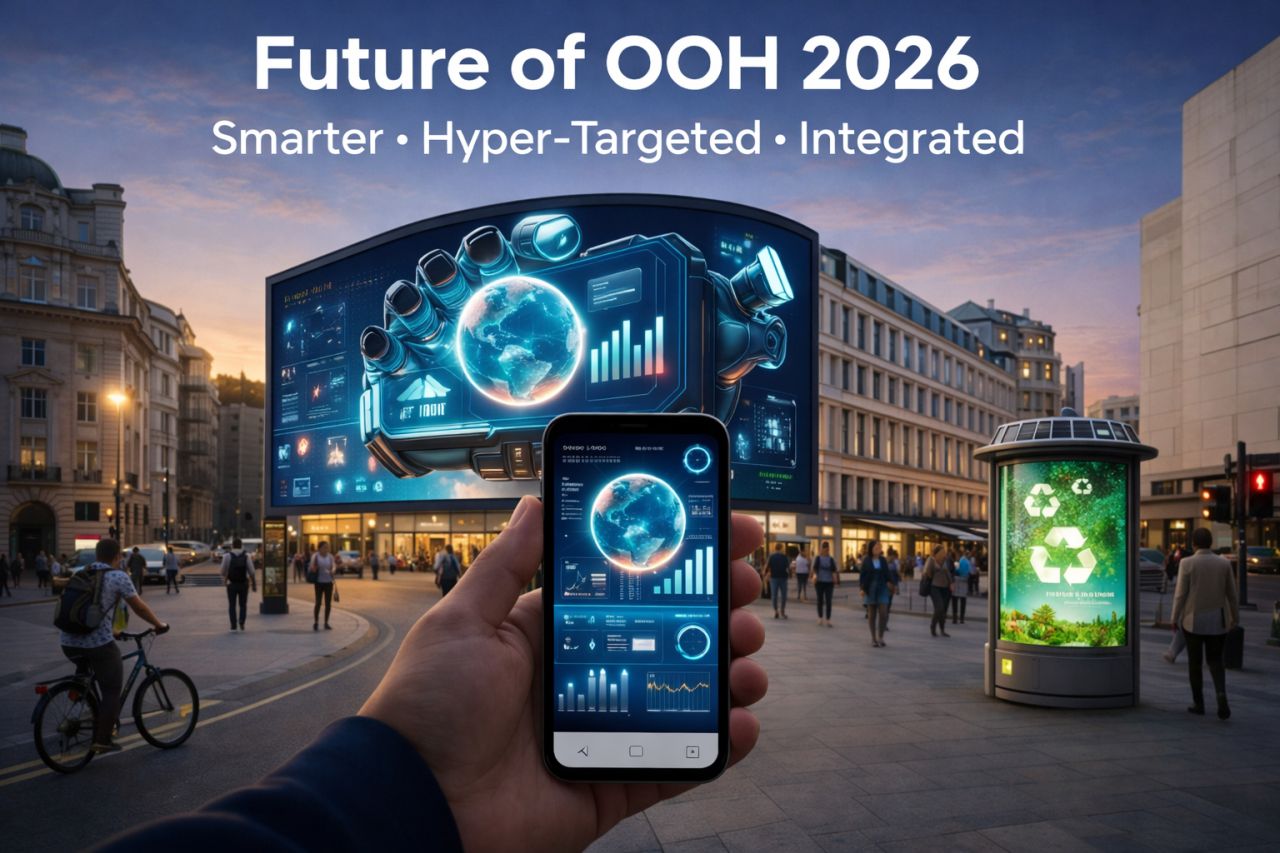
Creative storytelling is also evolving alongside sustainability goals. Brands now favor minimalistic visuals, natural color palettes, and clean messaging that aligns with eco-conscious themes. Consequently, outdoor and digital campaigns increasingly feature recyclable materials, low-energy DOOH screens, and reduced print usage.
Moreover, storytelling focuses on impact rather than exaggeration. Campaigns highlight real processes, behind-the-scenes initiatives, and measurable outcomes. Therefore, sustainability becomes a narrative thread rather than a marketing slogan.
Role of Digital and Outdoor Media in Ethical Branding
Digital platforms and outdoor advertising play a significant role in spreading ethical narratives. DOOH screens enable dynamic messaging, allowing brands to communicate sustainability milestones in real time. Additionally, transit media provides high-frequency exposure, reinforcing brand values among daily commuters.
Airports, metro stations, and smart city zones further enhance credibility. These premium environments allow brands to associate ethical messaging with modern infrastructure and progressive thinking.
As a result, sustainability-driven campaigns achieve stronger visibility and higher engagement.
Avoiding Greenwashing in Brand Communication
While sustainability is powerful, misuse can damage reputation. Greenwashing—making misleading environmental claims—has become a major risk for brands. Therefore, next-gen brand narratives focus on clarity, proof, and accountability.
Brands now support claims with certifications, measurable goals, and progress updates. By doing so, they maintain trust while strengthening long-term perception.
Ethical messaging works best when it reflects genuine intent rather than trend-based communication.
The Future of Brand Narratives
Looking ahead, sustainability will not remain a separate campaign theme. Instead, it will integrate into core brand identity. Brands will communicate impact through everyday messaging rather than occasional initiatives.
Moreover, storytelling will become more community-driven, highlighting collaboration, social contribution, and long-term responsibility. As consumers continue demanding purpose, ethical narratives will define brand relevance in competitive markets.
Conclusion
Sustainability and ethical messaging are reshaping how brands communicate, connect, and grow. By prioritizing transparency, responsibility, and meaningful storytelling, next-generation brand narratives move beyond selling products to building purpose. Brands that embrace this shift will earn trust, loyalty, and long-term market relevance in an increasingly conscious consumer landscape.