

India’s growth story is no longer confined to metro cities. As consumption expands rapidly across Tier-2 markets, brands are re-evaluating long-standing metro-centric marketing strategies. Cities such as Indore, Jaipur, Coimbatore, Surat, Lucknow, and Vijayawada are emerging as powerful consumption hubs with rising incomes and evolving aspirations.
However, communicating effectively in Tier-2 India requires a fundamentally different approach. Consumer behavior, media habits, cultural nuances, and trust drivers vary significantly from metropolitan markets.
As a result, brands must redesign communication strategies to succeed beyond metros.
Understanding the Tier-2 Indian Consumer Landscape
Tier-2 consumers are digitally connected yet deeply rooted in local identity. Smartphone penetration is high, but consumption decisions are influenced strongly by familiarity, credibility, and community validation.
Key characteristics include:
-
High value consciousness
-
Strong preference for trusted brands
-
Influence of local opinion leaders
-
Growing aspiration toward national brands
Therefore, communication must balance modern appeal with regional relevance.
Why Metro-Centric Marketing Falls Short in Tier-2 Cities
Campaigns designed for metros often assume exposure to premium media environments and fast-moving consumer lifestyles. In Tier-2 cities, these assumptions do not always apply.
Challenges include:
-
Lower clutter tolerance
-
Different daily mobility patterns
-
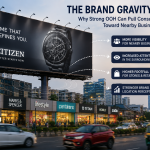
Stronger influence of physical visibility
-
Limited impact of purely digital campaigns
As a result, brands that rely solely on metro-style digital strategies often struggle to build trust and recall.
The Importance of Physical Brand Presence in Tier-2 India
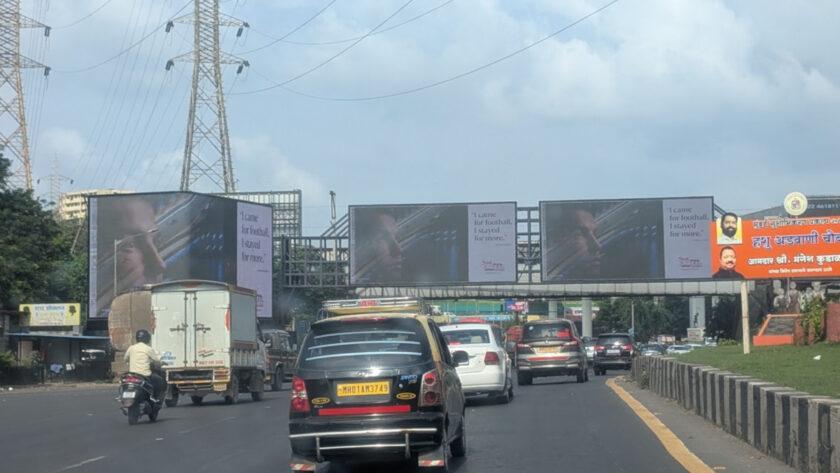
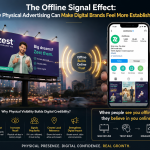
In Tier-2 markets, visibility in the physical world strongly influences credibility. Consumers associate offline presence with brand legitimacy and scale.
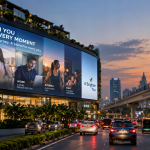
Outdoor advertising, transit media, and on-ground branding play a major role in shaping perception. When brands appear consistently in public spaces, trust builds faster.
Therefore, physical media acts as a foundation for brand acceptance.
Strategies for Effective Brand Communication in Tier-2 India
1. Hyperlocal Media Planning
Tier-2 cities function through defined commercial corridors, marketplaces, and transit routes. Brands must identify these high-visibility zones rather than applying generic city-wide plans.
Localized placement improves frequency and relevance without excessive spend.
2. Regional Language Integration
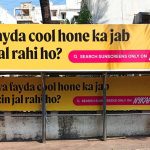
Communication in regional languages enhances relatability. While English may work digitally, local languages drive emotional connection.
Brands that incorporate regional scripts and familiar expressions experience stronger engagement and recall.
3. Simplified and Direct Messaging
Tier-2 consumers respond best to clarity. Overly abstract or conceptual messaging often creates confusion.
Clear benefits, straightforward offers, and easy-to-understand visuals improve comprehension and trust.
4. Leveraging Transit and Daily Route Exposure
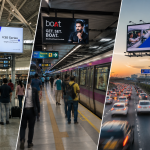
Daily commute routes—such as bus shelters, road junctions, and market access points—offer repeated exposure.
Repeated visibility along habitual routes strengthens familiarity and reinforces brand memory over time.
5. Combining Digital Reach With Offline Validation
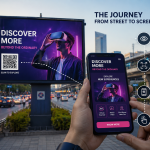
Digital platforms drive discovery, while offline presence confirms authenticity.
Brands that integrate digital campaigns with outdoor visibility achieve stronger conversion rates because consumers feel reassured before purchase.
This dual-channel approach is particularly effective in Tier-2 markets.
The Role of Cultural Context in Communication
Tier-2 India reflects strong cultural identity. Festivals, local events, and regional pride influence consumer sentiment significantly.
Campaigns that align messaging with cultural moments achieve deeper resonance. Local adaptation demonstrates respect and understanding, strengthening brand affinity.
Measuring Success in Tier-2 Brand Campaigns
Success metrics differ from metro markets. Instead of focusing only on digital engagement, brands track:
-
Local recall levels
-
Store footfall influence
-
Dealer or distributor feedback
-
Search uplift from specific regions
These indicators reflect real market traction.
Why Tier-2 Markets Are Long-Term Brand Growth Engines
Tier-2 cities offer lower competition intensity, higher loyalty potential, and strong word-of-mouth influence.
Brands that establish early presence benefit from long-term preference and market leadership as cities continue to grow.
Therefore, Tier-2 communication is not a short-term expansion tactic—it is a strategic investment.
Conclusion
Brand communication in Tier-2 India requires more than extending metro campaigns outward. It demands localized thinking, physical visibility, cultural alignment, and simplified messaging.
By moving beyond metro-centric marketing and embracing region-specific strategies, brands can unlock sustainable growth across India’s next consumption frontier.
The future of Indian branding will be built as much in Tier-2 cities as in metros—if not more.