






Influencer marketing is evolving beyond human creators. Today, AI-powered virtual influencers—digitally created characters with curated personalities—are entering mainstream brand strategies. Virtual Influencers in Marketing: Strategies, Challenges & Success Stories explores how these digital personas are being deployed in campaigns, why brands are experimenting with them, and what marketers must consider before adoption.
Virtual influencers are not just a novelty. They represent a shift in how brands control storytelling, consistency, and scalability in an always-on content economy.
What Are Virtual Influencers?
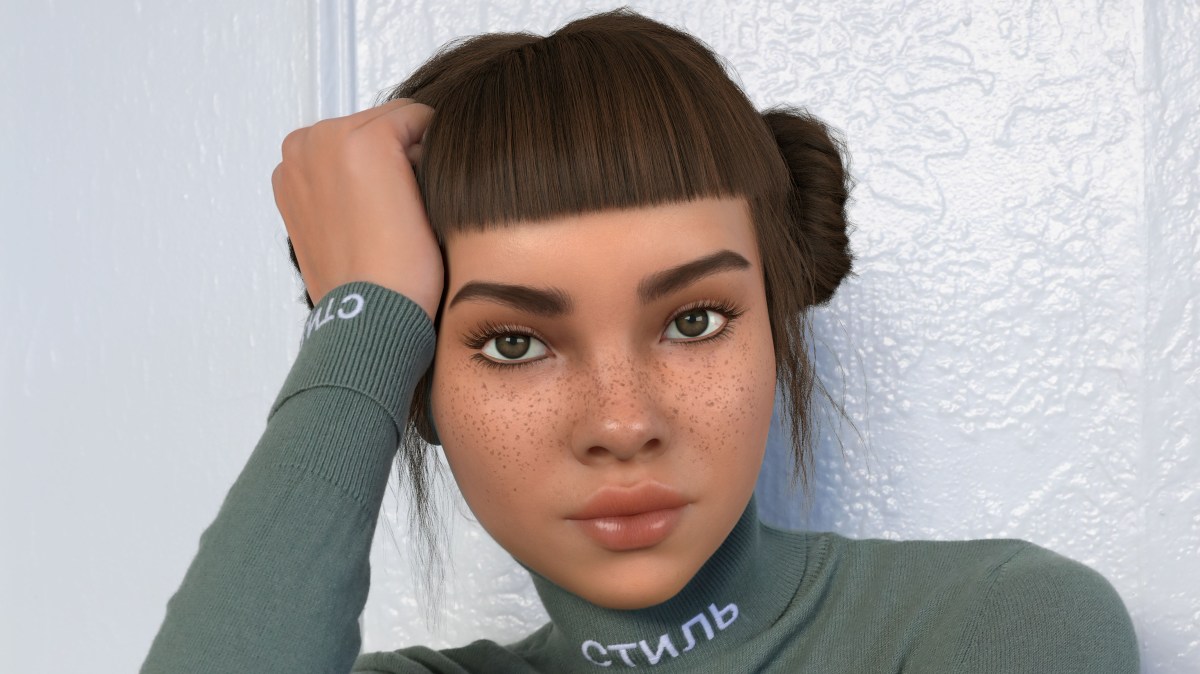
Virtual influencers are computer-generated characters powered by AI, 3D design, and human-led creative direction. They exist primarily on social platforms, publish content, collaborate with brands, and interact with audiences—much like human influencers.
However, unlike humans, virtual influencers are:
-
Always on-brand
-
Immune to scandals
-
Fully controllable in tone, appearance, and values
As a result, brands gain precision without unpredictability.
Why Brands Are Exploring Virtual Influencers
Several structural shifts are driving adoption.
First, influencer fatigue is real. Audiences increasingly question authenticity when every post is sponsored. Second, brands want long-term IP ownership rather than short-term creator rentals. Third, AI and CGI production costs have reduced significantly, making virtual influencers more viable.
Therefore, virtual influencers offer a controlled yet culturally relevant alternative—especially for fashion, tech, luxury, and youth-focused brands.
Virtual Influencers in Marketing: Core Strategies
Brands use virtual influencers across multiple strategic layers.
1. Brand-Owned Virtual Influencers
Some brands create proprietary characters that embody their values and aesthetics. These influencers become long-term brand assets rather than campaign-specific faces.
This strategy ensures consistency across markets and platforms. Consequently, brand recall strengthens over time.
2. Campaign-Specific Virtual Characters
Other brands deploy virtual influencers for product launches, festive campaigns, or digital-first activations. These characters generate buzz due to novelty and shareability.
Because the character exists only for the campaign lifecycle, experimentation becomes easier and risk-limited.
3. Always-On Social Content
Virtual influencers excel at lifestyle storytelling—fashion shoots, travel visuals, or futuristic narratives. Since production is controlled, content calendars remain uninterrupted.
As a result, brands maintain constant visibility without dependency on creator availability.
Success Stories That Shaped the Category
Several global virtual influencers have demonstrated real marketing impact.
-
Lil Miquela collaborated with luxury and fashion brands, blurring the line between digital art and influencer culture. Her Instagram presence proved that audiences can emotionally engage with fictional identities.
-
Noonoouri became a staple in luxury fashion campaigns, attending virtual fashion weeks and collaborating with global designers.
-
Imma resonated strongly with Gen Z audiences in Asia through hyper-real visuals and culturally aligned storytelling.
These examples show that success depends not on realism alone, but on narrative consistency and cultural fit.
The Appeal: What Virtual Influencers Do Better
Virtual influencers offer several advantages over human creators:
-
Creative Control: Messaging, visuals, and timing are fully managed
-
Scalability: Same character can appear across markets instantly
-
Brand Safety: No personal controversies or off-brand behavior
-
Futuristic Positioning: Aligns brands with innovation and tech-forward thinking
For technology, fashion, beauty, and metaverse-aligned brands, this appeal is especially strong.
The Authenticity Challenge
Despite their advantages, virtual influencers face a major hurdle—authenticity.
Audiences value relatability. When a character is clearly artificial, emotional connection can weaken if storytelling feels forced. Therefore, transparency is critical. Brands must clearly disclose that the influencer is virtual.
Interestingly, trust improves when audiences know the character is fictional but still find the content entertaining or meaningful. Hence, honesty outperforms illusion.
Ethical and Cultural Considerations
Virtual influencers raise important questions:
-
Who is responsible for their opinions?
-
How do they represent diversity without stereotyping?
-
Can they speak on social issues ethically?
Marketers must treat virtual influencers as media properties, not shortcuts. Cultural sensitivity, inclusivity, and ethical boundaries require as much care as with human creators—sometimes more.
Measuring ROI of Virtual Influencer Campaigns
Performance measurement mirrors traditional influencer marketing but with added control.
Key metrics include:
-
Engagement rate and saves
-
Follower growth and sentiment
-
Brand recall and social mentions
-
Content reuse across platforms
Because virtual content is reusable and evergreen, long-term ROI often improves compared to one-off human collaborations.
Where Virtual Influencers Work Best
Virtual influencers are most effective in:
-
Fashion & Beauty: Visual storytelling and aesthetics
-
Technology & AI Brands: Future-forward narratives
-
Luxury: Controlled brand worlds
-
Entertainment & Gaming: Fictional universes
-
Youth & Gen Z Campaigns: Digital-native audiences
In contrast, sectors requiring lived experience—healthcare, finance advice, or social activism—must proceed cautiously.
The Future: Hybrid Influence Models
The future is not virtual versus human—it is hybrid.
Brands are increasingly combining human creators with virtual influencers in the same campaign. Humans provide relatability, while virtual characters deliver consistency and spectacle. Together, they create layered storytelling.
As AI, metaverse platforms, and digital identities evolve, virtual influencers will become less novel and more normalized.
Conclusion: A Tool, Not a Replacement
Virtual Influencers in Marketing are not here to replace human creators. They are strategic tools—powerful when used thoughtfully, risky when used carelessly.
For marketers, the key lies in clarity of purpose. When virtual influencers align with brand identity, audience expectations, and cultural context, they can deliver exceptional impact. When treated as gimmicks, they quickly lose relevance.
In the next phase of digital marketing, influence will not be defined by who is real—but by what feels meaningful.