








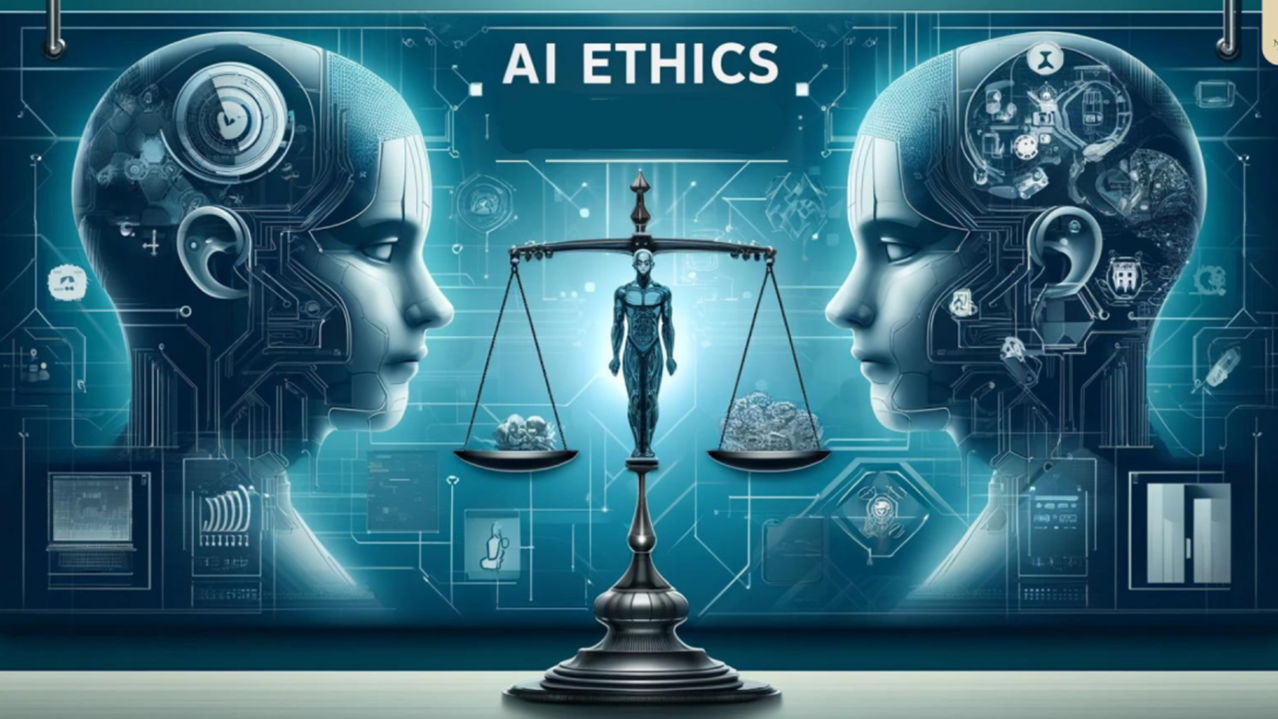
AI-generated content has moved from experimentation to everyday execution. Brands now use AI to write blogs, captions, ads, emails, scripts, and even brand manifestos—often at unprecedented scale. However, with this power comes a critical challenge: AI-Generated Content Ethics. The real question is no longer whether brands should use AI, but how they can balance automation with an authentic brand voice.
AI-Generated Content Ethics: Balancing Automation with Authentic Brand Voice explores how brands can scale content responsibly, avoid originality dilution, and maintain trust while using AI as a creative partner rather than a replacement.
Why AI-Generated Content Raises Ethical Questions
AI excels at speed, pattern recognition, and replication. However, ethics come into play when content begins to feel generic, misleading, or disconnected from brand values.
The most common ethical concerns include:
-
Loss of originality and creative identity
-
Over-automation leading to soulless communication
-
Unclear disclosure of AI-generated content
-
Bias and cultural insensitivity embedded in training data
-
Erosion of human accountability
As consumers become more media-literate, they can sense when content lacks genuine intent. Therefore, ethical missteps are not just philosophical issues—they are brand risks.
AI-Generated Content Ethics: Balancing Automation with Authentic Brand Voice
At its core, ethical AI content use is about intent and control. Automation should assist human creativity, not overwrite it.
Brands that use AI ethically treat it as:
-
A drafting engine, not a final authority
-
A scaling tool, not a voice creator
-
A productivity partner, not a storyteller
When AI starts making unchecked creative decisions, brand voice fragments. Consequently, audiences experience inconsistency, reduced trust, and emotional disconnect.
The Risk of Brand Voice Dilution
Brand voice is built over years through tone, language, humor, restraint, and cultural context. AI, however, is trained on averages. If used without guidance, it naturally gravitates toward safe, generic phrasing.
This leads to a dangerous outcome—brands sounding interchangeable.
When every caption, blog, or email follows the same rhythm, originality erodes. As a result, even well-performing content feels forgettable. Ethical AI usage demands clear brand voice frameworks that humans actively enforce.
Transparency and Disclosure: Do Brands Owe Audiences Honesty?
One growing ethical debate is whether brands should disclose AI-generated content.
While not legally required in most cases, transparency builds trust—especially in sensitive domains such as education, healthcare, finance, and journalism. Ethical brands are beginning to clarify:
-
AI-assisted vs fully human-created content
-
Human review processes
-
Editorial accountability
This approach reassures audiences that automation has not replaced responsibility.
Human Oversight Is the Ethical Line
Ethical AI content strategies always include human checkpoints. AI can generate structure, ideas, and variations, but humans must:
-
Review tone and emotional accuracy
-
Ensure cultural and contextual sensitivity
-
Validate facts and claims
-
Align messaging with brand values
Without this oversight, brands risk publishing content that is technically correct but emotionally tone-deaf. Therefore, ethics depend more on workflow design than on the AI tool itself.
Bias, Cultural Context, and Brand Safety
AI models reflect the analytics and data they are trained on. This means biases—linguistic, cultural, gender-based, or regional—can surface unintentionally.
Brands operating across diverse markets must be especially cautious. Content that works in one cultural context may feel inappropriate or insensitive in another. Ethical AI usage requires localization led by humans, not blind automation.
This is where responsible brands slow down, even when AI allows speed.
Using AI Without Replacing Creative Talent
Another ethical concern is talent displacement. Forward-thinking brands position AI as a creative amplifier, not a creative replacement.
AI handles:
-
First drafts
-
Repetitive formats
-
Content repurposing
-
SEO structuring
Humans handle:
-
Original ideas
-
Emotional storytelling
-
Strategic narratives
-
Cultural interpretation
This balance preserves creativity while improving efficiency. Consequently, teams feel empowered rather than threatened.
Platform Responsibility and Brand Choice
Major AI platforms such as OpenAI and Google increasingly emphasize responsible AI guidelines. However, tools alone cannot enforce ethics.
Ultimately, brands decide how AI is deployed. Ethical outcomes depend on internal policies, editorial standards, and leadership intent—not just platform safeguards.
Best Practices for Ethical AI Content at Scale
Brands navigating AI-generated content ethically follow a few core principles:
-
Define a clear brand voice guide before using AI
-
Keep humans in approval loops
-
Avoid publishing raw AI outputs
-
Prioritize originality over volume
-
Be transparent where trust matters
These practices ensure automation strengthens, rather than weakens, brand identity.
The Future: Authenticity as the Real Differentiator
As AI-generated content becomes widespread, authenticity becomes rarer—and therefore more valuable. Audiences will not reward brands for volume alone. They will reward clarity, honesty, and emotional intelligence.
Ethical AI usage is not about restraint; it is about intentional creativity. Brands that respect this balance will scale faster and connect deeper.
Conclusion: Ethics Is the New Creative Advantage
AI-Generated Content Ethics: Balancing Automation with Authentic Brand Voice is ultimately about preserving humanity in communication. AI can write faster, but it cannot feel, care, or take responsibility.
Brands that lead with ethics will not sound robotic—they will sound confident, consistent, and real. In an automated future, authenticity is no longer optional. It is the brand advantage that cannot be replicated by machines.