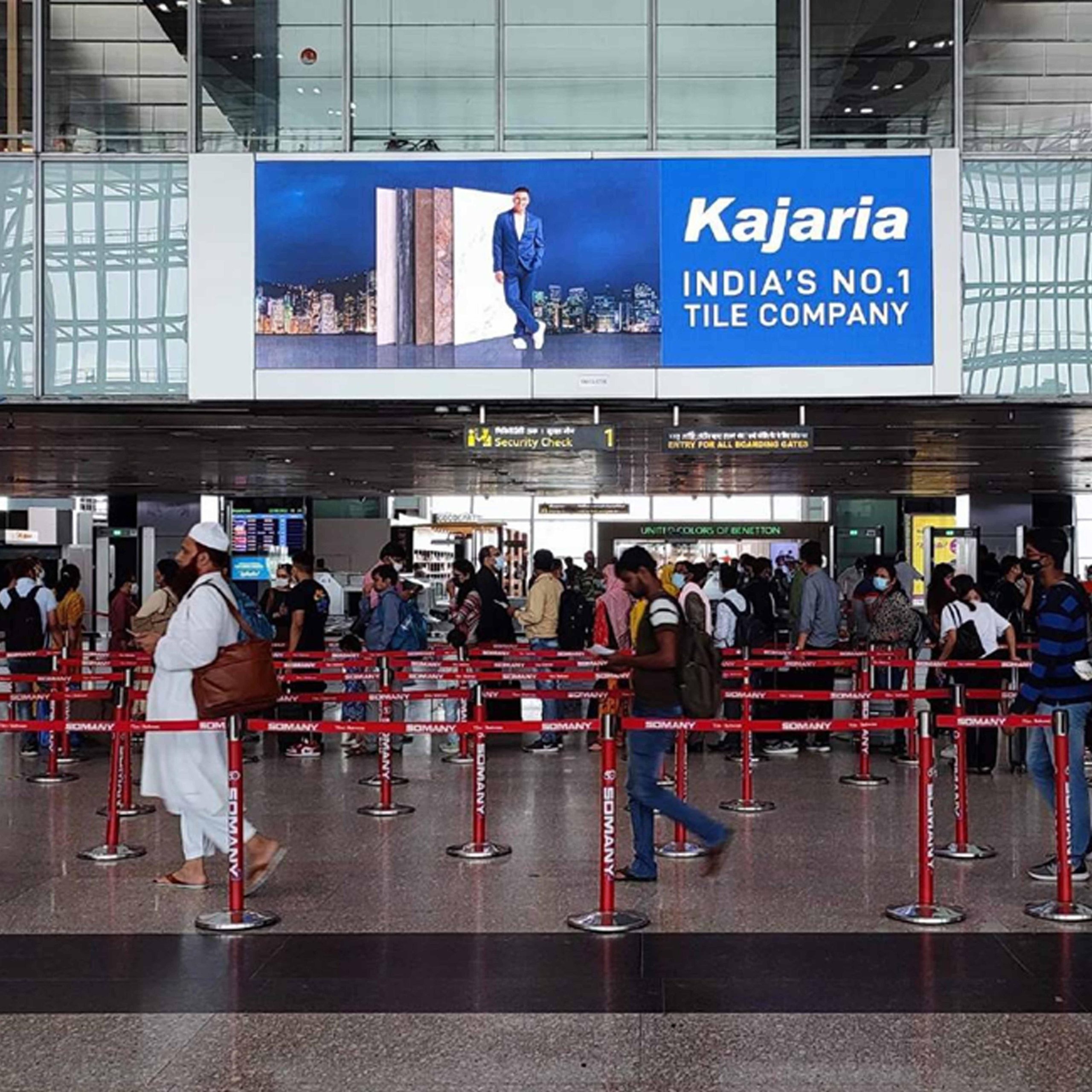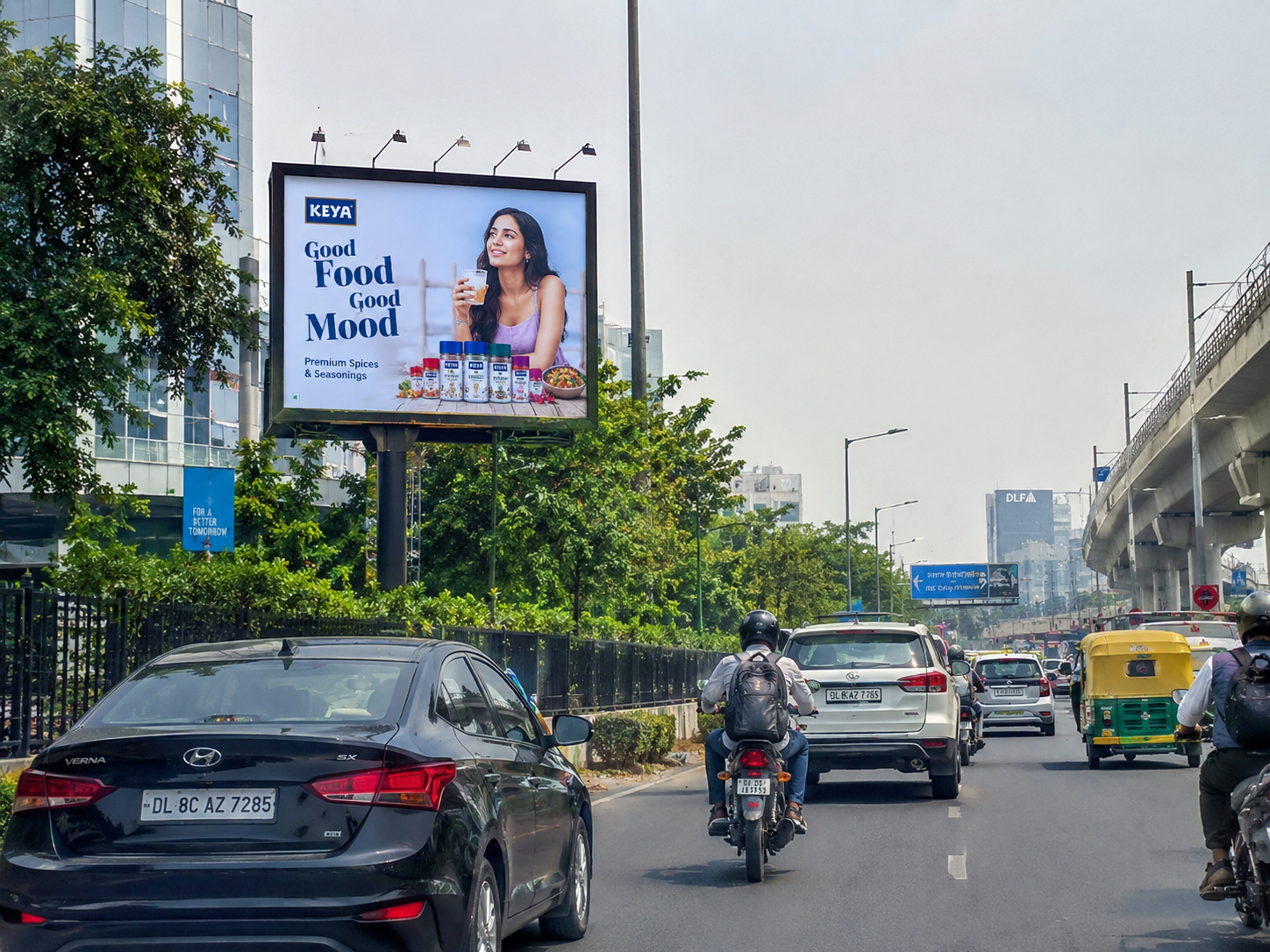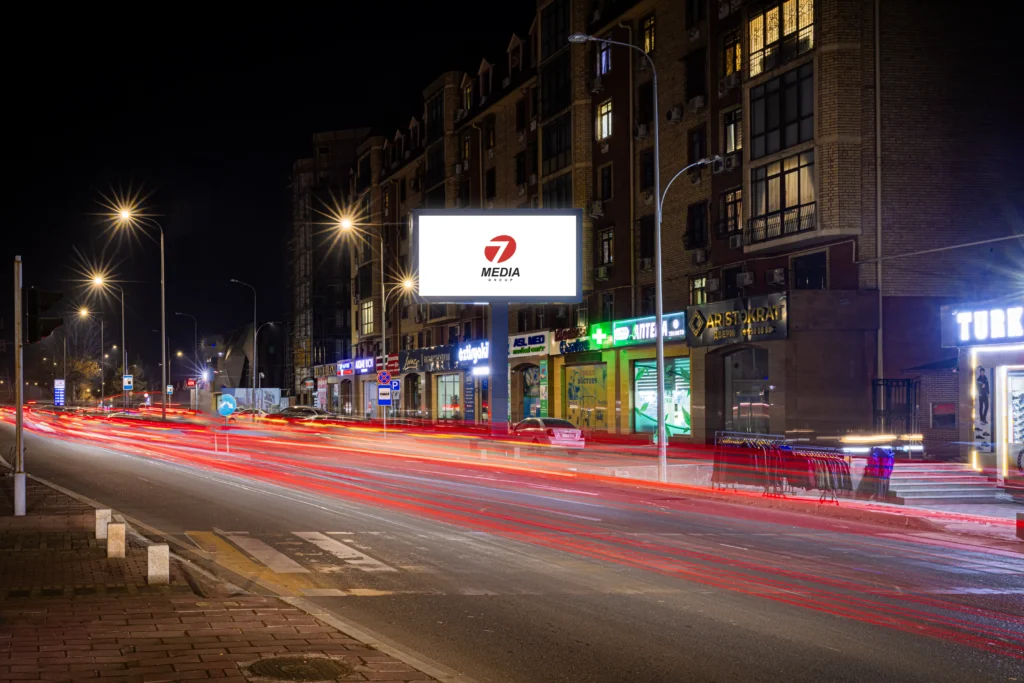






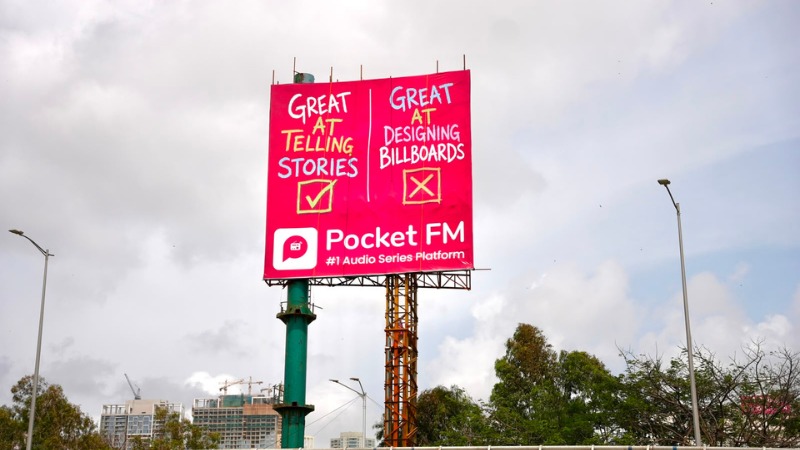
Outdoor advertising has the unique ability to occupy the same physical spaces people experience every day. Unlike digital advertisements that disappear with a scroll, a strategically positioned billboard, building wrap, unipole or large-format installation can remain visible within the urban environment for an extended period.
The Urban Landmark Strategy uses this physical characteristic to give a brand a recognizable place within the city. When an outdoor campaign is positioned at a prominent junction, major road, commercial district or high-traffic destination, the location itself can become associated with the brand.
Location Becomes Part of the Communication
In OOH advertising, location is not simply where an advertisement is placed—it can become part of the message.
A large-format execution positioned along a frequently travelled route can repeatedly enter the consumer’s field of vision. Over time, the combination of brand + creative + location can create a distinctive visual association.
This approach can be particularly useful for brands looking to establish a strong presence within a specific city or market.
Scale Creates Visual Authority
Large-format OOH gives marketers an opportunity to communicate at a scale that other media cannot easily replicate.
Oversized billboards, building wraps, spectaculars and specially designed outdoor structures can command attention through their physical presence. When creative design works together with the available media space, the advertisement can become noticeable even within a visually crowded urban environment.
The objective is not simply to make an advertisement bigger, but to make the brand’s presence feel significant within its surroundings.
Repetition Builds Familiarity
Urban audiences often follow predictable routes—travelling to work, visiting commercial areas, commuting between neighbourhoods or passing major intersections.
This creates an opportunity for OOH campaigns to benefit from repeated exposure. Seeing the same brand execution at a familiar location can gradually make the advertisement part of the consumer’s everyday visual environment.
The campaign therefore becomes less like a one-time advertising encounter and more like a recurring brand presence.
Designing OOH for Landmark Potential
Not every billboard can become a landmark. The combination of strategic location, distinctive creative, appropriate scale and consistent branding is important.
Brands can consider high-visibility intersections, city gateways, major arterial roads, commercial hubs, airport approaches and other locations where outdoor media naturally becomes part of the surrounding environment.
Creative execution should also complement the location rather than simply occupy it.
Building a Physical Brand Reference
The Urban Landmark Strategy demonstrates how OOH can contribute to a brand’s physical identity within a city. When media placement and creative thinking work together, an advertising site can become something consumers recognize as part of their everyday surroundings.
For brands seeking strong city-level presence, OOH can therefore serve not only as an advertising medium but also as a physical brand reference point.