




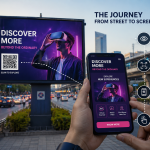
Consumers experience brands across multiple environments every day. They see advertisements on their phones, watch videos, browse social media and interact with brands online. Outdoor advertising adds another important dimension by bringing the brand message into the physical spaces where people actually live and move.
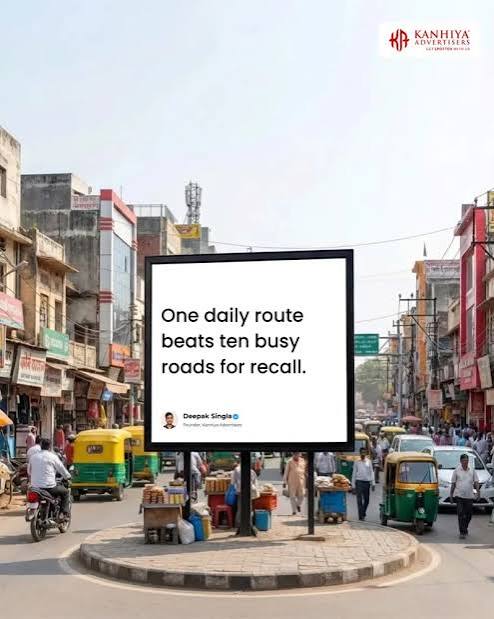
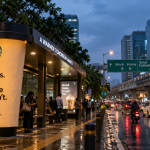
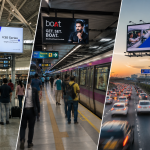
Billboards, transit advertising, mall branding, street furniture and other OOH formats can place a campaign directly within everyday surroundings. Instead of waiting for consumers to enter a particular digital environment, brands can meet them along their regular journeys.
From Media Exposure to Physical Visibility
The strength of OOH comes from its physical presence. A well-positioned billboard can remain visible to commuters throughout a campaign period, while transit and retail formats can connect with audiences at different stages of their daily movement.
This physical visibility gives brands an opportunity to reinforce messages that consumers may have already encountered through digital or traditional media. The same campaign idea can move from a phone screen into the streets, creating greater consistency across different consumer touchpoints.
Connecting With Everyday Consumer Moments
OOH works particularly well when advertising becomes relevant to the environment around it. A fashion campaign near a shopping district, a food brand near busy retail areas or a travel campaign around transit locations can naturally connect the message with the consumer’s surroundings.
These contextual placements can make advertising feel more connected to the moment. The location itself becomes part of the communication, helping the campaign fit into the consumer’s daily experience.
The Role of Strategic Location Planning
Visibility alone is not enough. The location of an OOH campaign plays a major role in determining how effectively the message reaches its intended audience.
Marketers can consider traffic patterns, pedestrian movement, commercial zones, residential areas, office districts, transit hubs and retail destinations while planning campaigns. Selecting locations according to audience behaviour can help brands create stronger and more relevant exposure.
The objective is to build visibility where consumers naturally spend time.