







Programmatic DOOH and Audience-Based Media Buying – The Next Evolution of OOH
How Programmatic DOOH Is Transforming Outdoor Advertising
The outdoor advertising industry is entering a new digital era with the rise of Programmatic DOOH (Digital Out-of-Home) and audience-based media buying. Traditionally, OOH campaigns relied on fixed placements and long-term bookings, but modern technology is now enabling advertisers to buy digital outdoor inventory in real time using data-driven automation. This shift is revolutionizing how brands plan, target, and optimize outdoor campaigns across urban environments.
Programmatic DOOH allows advertisers to purchase digital screen space dynamically based on audience behavior, location data, weather conditions, traffic patterns, and time-specific insights. Instead of displaying the same advertisement throughout the day, brands can now schedule highly targeted content for specific audiences at the most relevant moments. For example, a food delivery brand may activate campaigns during lunch hours, while a luxury automobile brand may target premium business districts during evening commute times.
This data-powered approach increases campaign efficiency and ensures stronger audience relevance. Advertisers no longer rely solely on broad visibility—they can now deliver smarter and more personalized outdoor messaging. The integration of AI, automation, and analytics helps brands optimize ad performance in real time while reducing media wastage.
Audience-Based Media Buying Is Redefining Consumer Engagement
Audience-based media buying is one of the most powerful advancements in the OOH industry. Using anonymized mobility data, demographic insights, and behavioral analytics, advertisers can identify where their target consumers are most active and serve content accordingly. This allows brands to move beyond location-based advertising into audience-centric communication strategies.
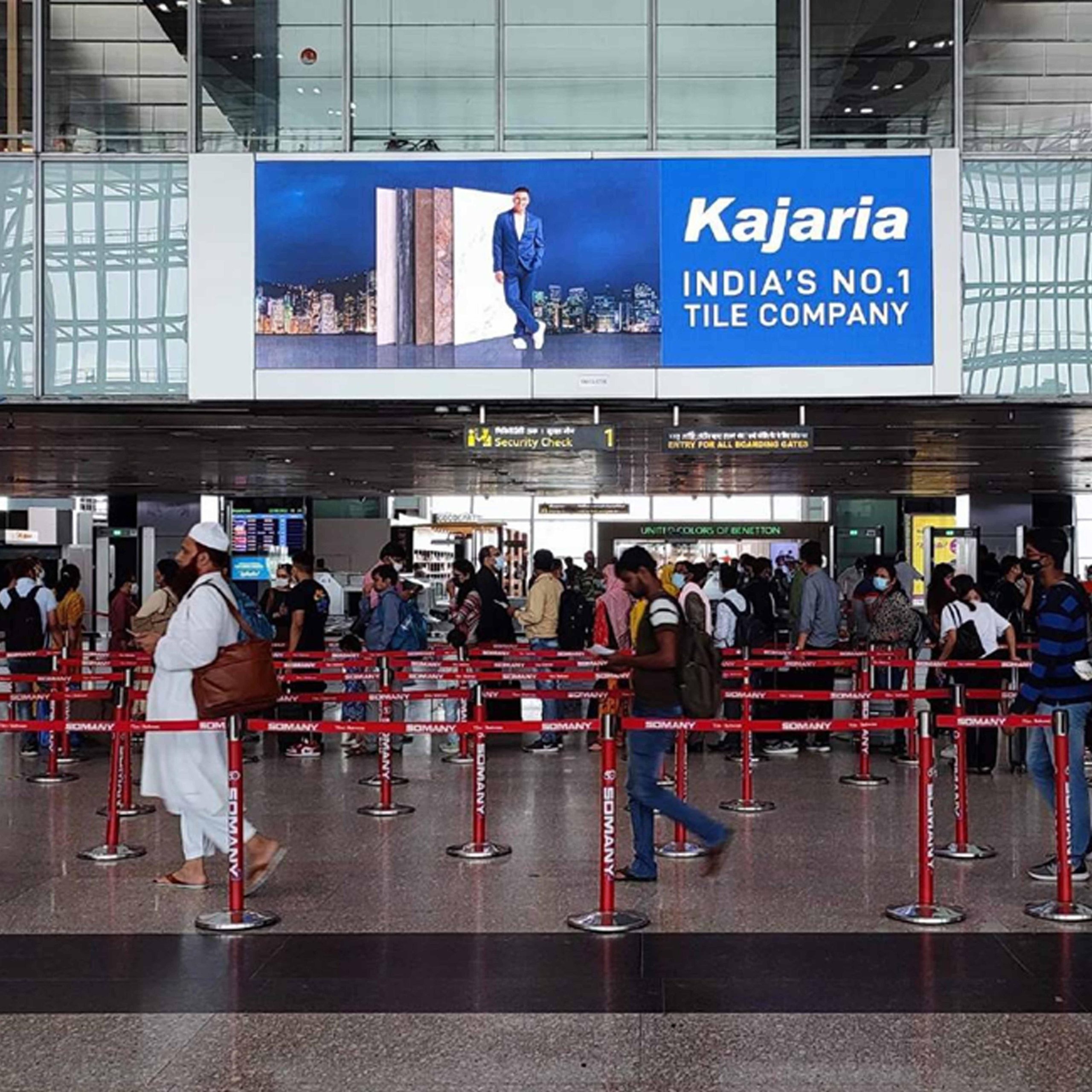
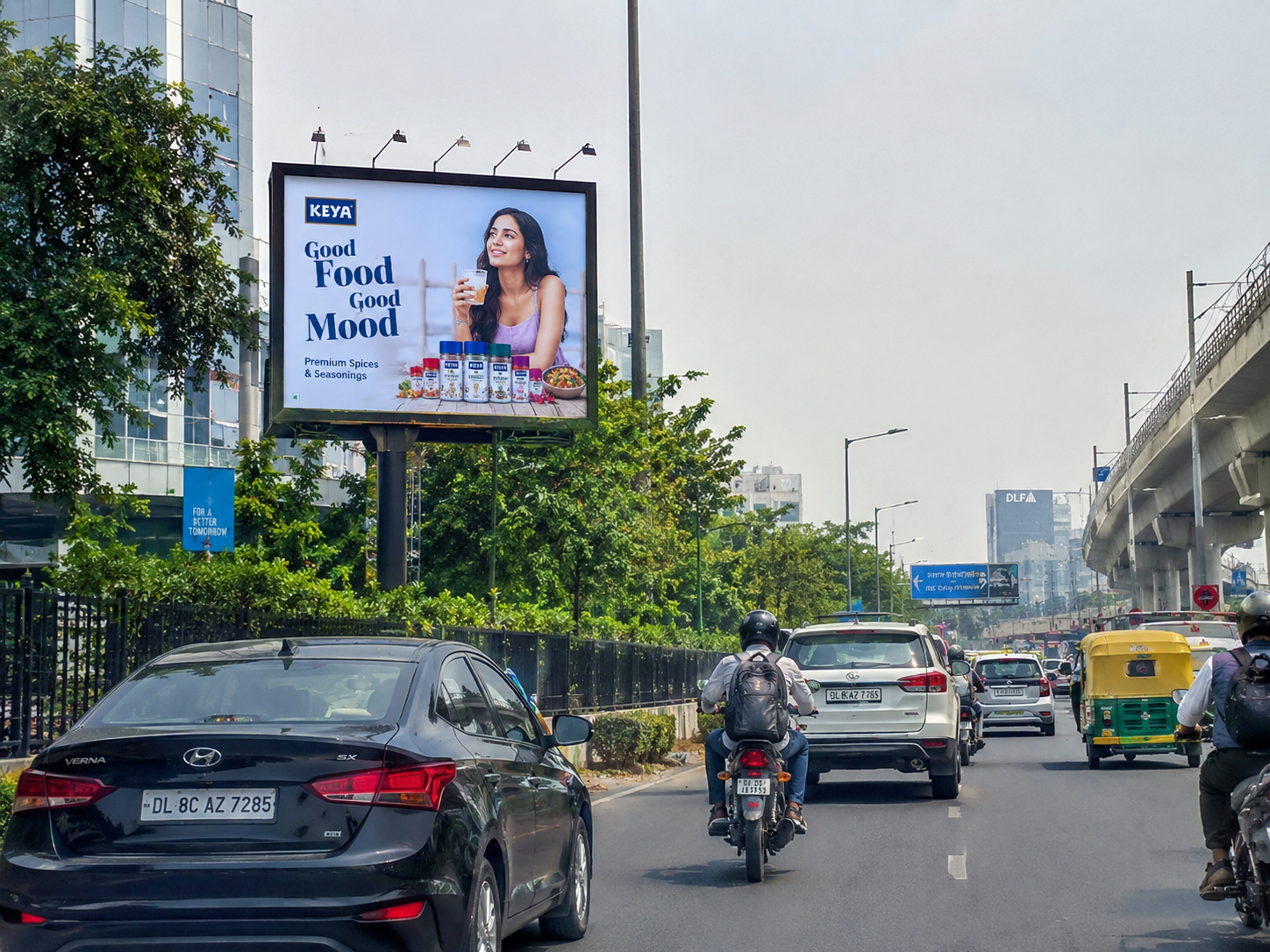
Digital screens placed in airports, metros, malls, highways, tech parks, and transit hubs are now becoming intelligent advertising platforms capable of adapting content instantly. Real-time optimization ensures that campaigns remain contextually relevant, improving both engagement and brand recall. Consumers are more likely to notice advertisements that align with their environment, timing, and interests.
Another major advantage of Programmatic DOOH is flexibility. Campaigns can be paused, updated, or modified instantly without changing physical creatives. Brands can experiment with multiple versions of ads and analyze which messaging performs best in different locations. This level of agility makes DOOH one of the most measurable and responsive forms of outdoor advertising.