



Think about the last 20 minutes you spent scrolling through your phone. Can you name a single brand that popped up in an ad? Probably not. Your thumb has a “muscle memory” for the “Skip Ad” button. You’ve become a ninja at ignoring pixels.
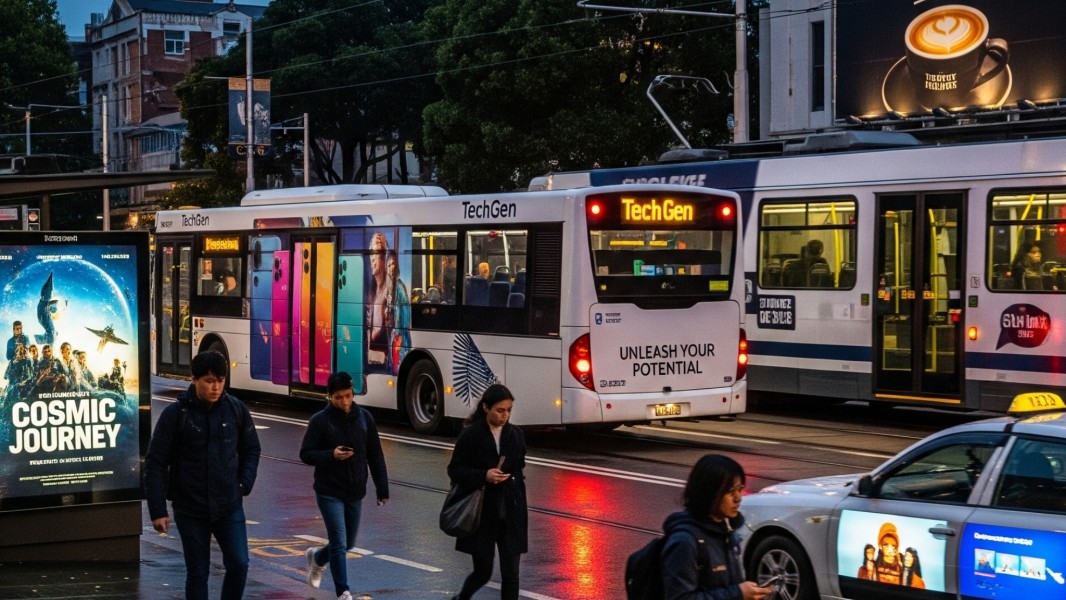
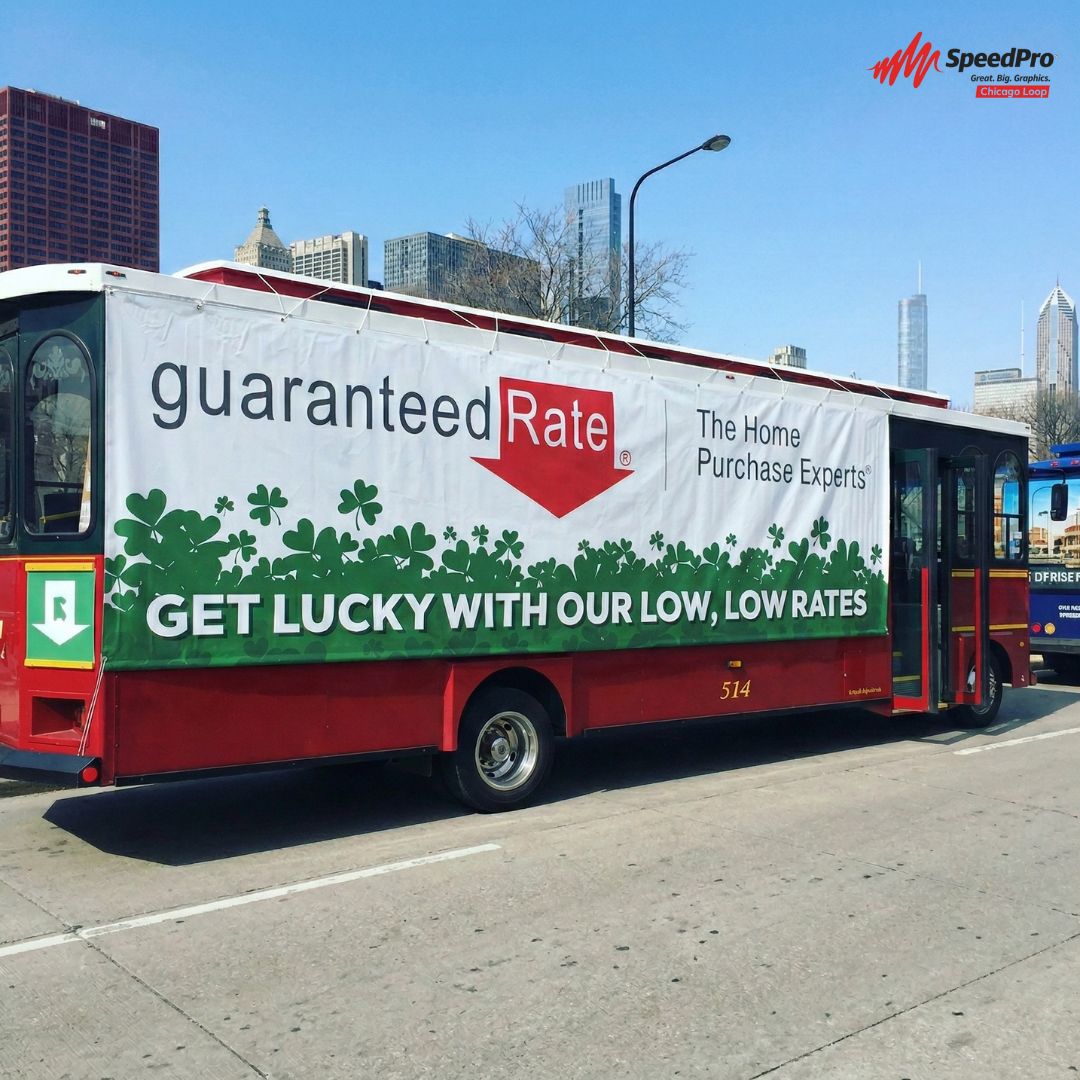
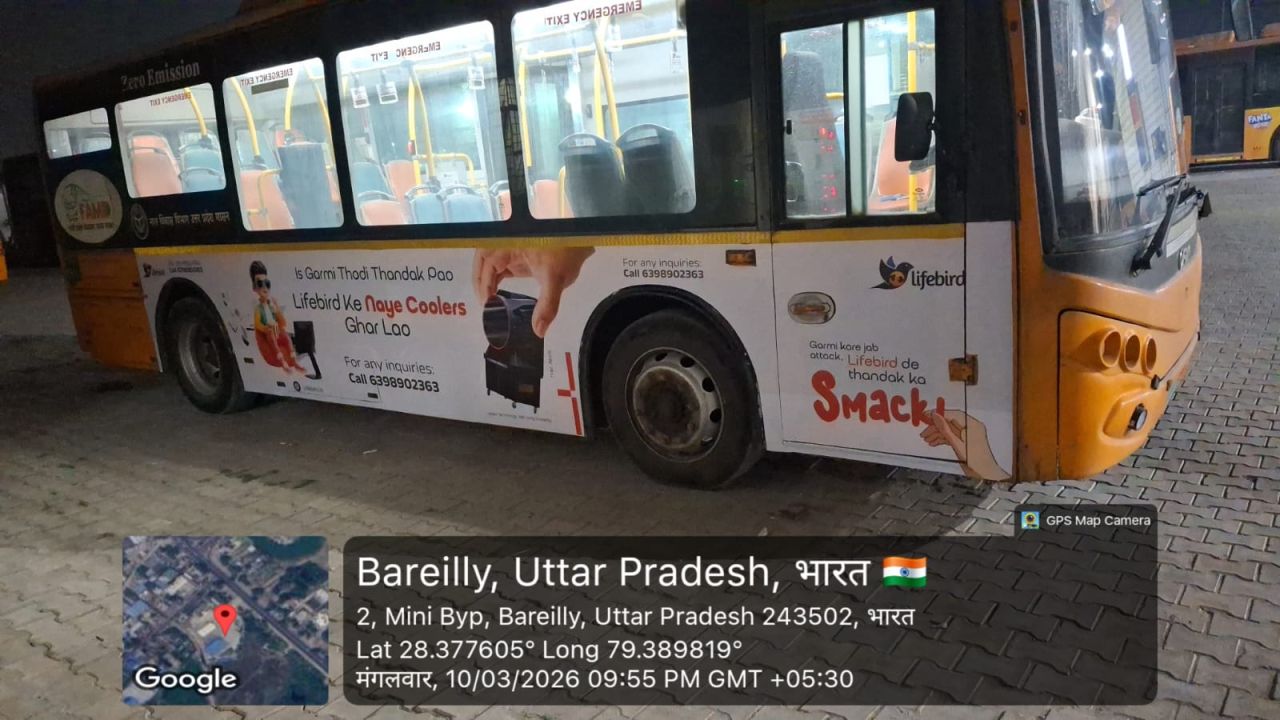
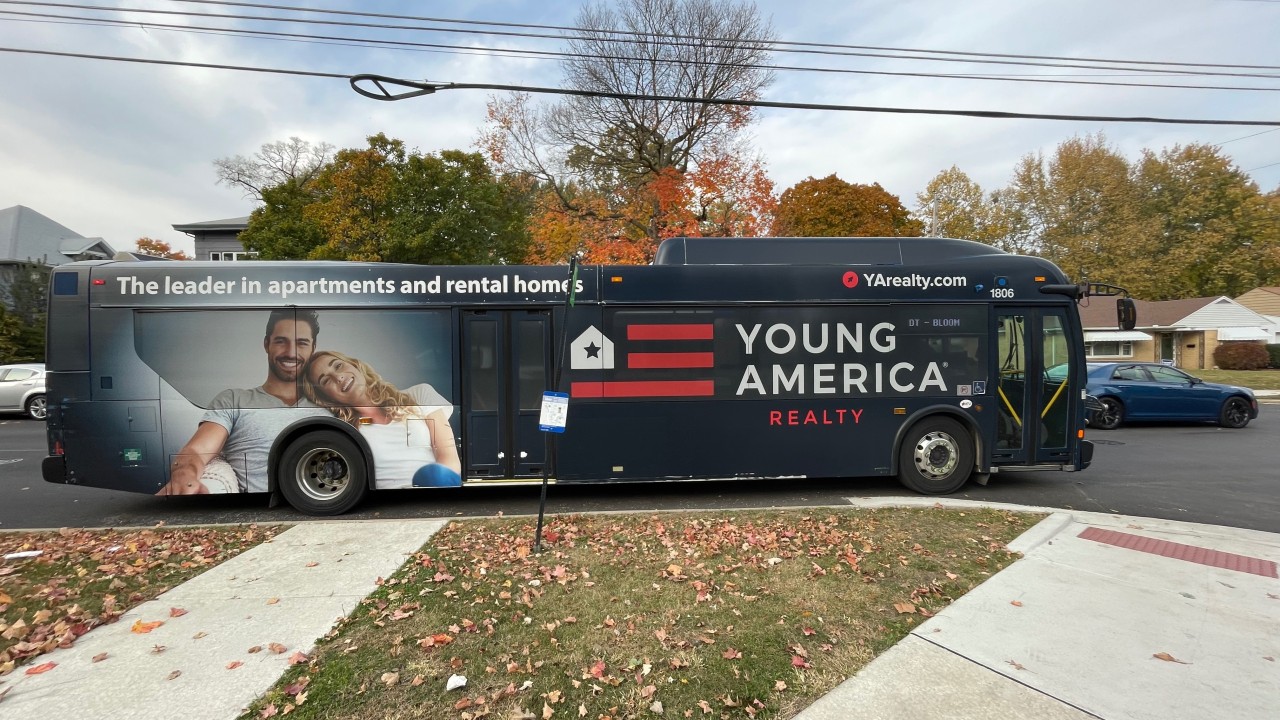
But then you’re stuck in traffic behind a bus, or you’re walking to the office, and there it is a massive, 40-foot creative wrapped around an electric vehicle. You can’t swipe it away. You can’t hit “X.” It just exists in your physical space.
That’s the core of why transit advertising by Houck Transit Advertising is currently eating digital marketing’s lunch in 2026. It’s not about “impressions”; it’s about unavoidable physical presence.
The Brain is Lazy (And That’s Good for You)
The human brain is a massive energy-saver. It hates doing extra work. When you see an ad on a screen, your brain recognizes the “sales pitch” immediately and shuts down. It’s a defense mechanism against digital noise.
But transit ads hit a different circuit. They use something called the Mere Exposure Effect. It’s a fancy way of saying that the more we see something in the “real world,” the more we trust it. When a bus passes you every morning at 8:45 AM, your brain doesn’t see an “advertisement.” It sees a “landmark.” You aren’t being sold to; you’re just co-existing with a brand. By the time you’re actually in a store looking for a product, that brand feels like an old friend rather than a random stranger.
Size Still Matters
In a world of tiny 6-inch smartphone screens, there is a psychological “weight” to a massive physical ad. When a brand takes over a whole bus, it sends a subconscious signal of power and stability.
We’ve been conditioned to think: “If they have the budget and the physical presence to wrap a city bus, they must be the real deal.” It’s a “Proof of Life” for a brand. In 2026, when half the stuff we see online feels like a scam or a “here-today-gone-tomorrow” drop-shipping site, a physical bus ad acts as a trust anchor. It’s a public declaration. You can’t hide a bus.
The “Boredom” Advantage
Here is the secret weapon of transit media: The Captive Audience. When people are in transit, they are usually bored out of their minds. They are waiting for the light to change, waiting for their stop, or just staring out the window. In that state of “downtime,” the brain is actually hungry for something to look at. A vibrant, well-designed bus ad becomes the entertainment.
This is the only time in a consumer’s day when they aren’t actively trying to avoid your message. They are actually grateful for the visual stimulation. You aren’t interrupting their cat videos; you’re filling their “dead time” with a story.
Why It “Sticks” Long After the Bus is Gone
There’s a weird glitch in our memory called the Frequency Illusion. Once you notice a specific ad on a bus in the morning, your brain starts “scanning” for it the rest of the day. You see it again at lunch, then maybe a different bus with the same creative in the evening.
Suddenly, to your subconscious, that brand is everywhere. It feels like the market leader. It feels inevitable. This isn’t just “reach” it’s “mental availability.” You’re colonizing a piece of the consumer’s brain through sheer, physical repetition.
Conclusion
Digital ads by Transit Advertising are for “right now,” but transit ads are for “forever.” If you want someone to click a button today, sure, buy a Facebook ad. But if you want someone to remember your name six months from now when they’re standing in a store making a choice, you need to be in their physical world.
You need to be the bus they see every morning. You need to be the “landmark” in their commute. Because at the end of the day, you can’t build a legendary brand on a medium that people have literally trained their thumbs to ignore.