


In the high-speed marketing landscape of 2026, we have become obsessed with “scroll-stoppers.” Brands spend millions trying to hijack a consumer’s attention for 1.5 seconds before they swipe past a sponsored post. But while the virtual world is getting more crowded, expensive, and filtered, a massive opportunity is moving quietly through our physical streets.
Transit advertising once dismissed as “stickers on buses” has evolved into a high-stakes, data-driven, and high-trust medium. As urban congestion hits an all-time high, the vehicles that carry us are becoming the most effective canvases for brand storytelling.
What We Really Mean by “Moving Messages”
At its core, transit advertising is Out-of-Home (OOH) media attached to anything that moves, or the infrastructure where those movements begin and end. This includes the full spectrum of urban mobility: the vinyl-wrapped electric buses in Bangalore, the high-definition digital screens inside Delhi Metro coaches, the rooftop signs on Mumbai’s cabs, and the massive “domination” of airport terminals.
The fundamental logic is simple: Ads travel with people. Instead of waiting for a consumer to look up at a stationary billboard, transit media enters their personal space. It follows them from their residential colony to their corporate tech park. It is a “moving billboard” strategy that bridges the gap between a brand’s digital promise and a consumer’s physical reality.
The Anatomy of the Transit Mix
To plan a campaign that actually moves the needle, you have to understand the different “flavors” of transit media available in the modern Indian market:
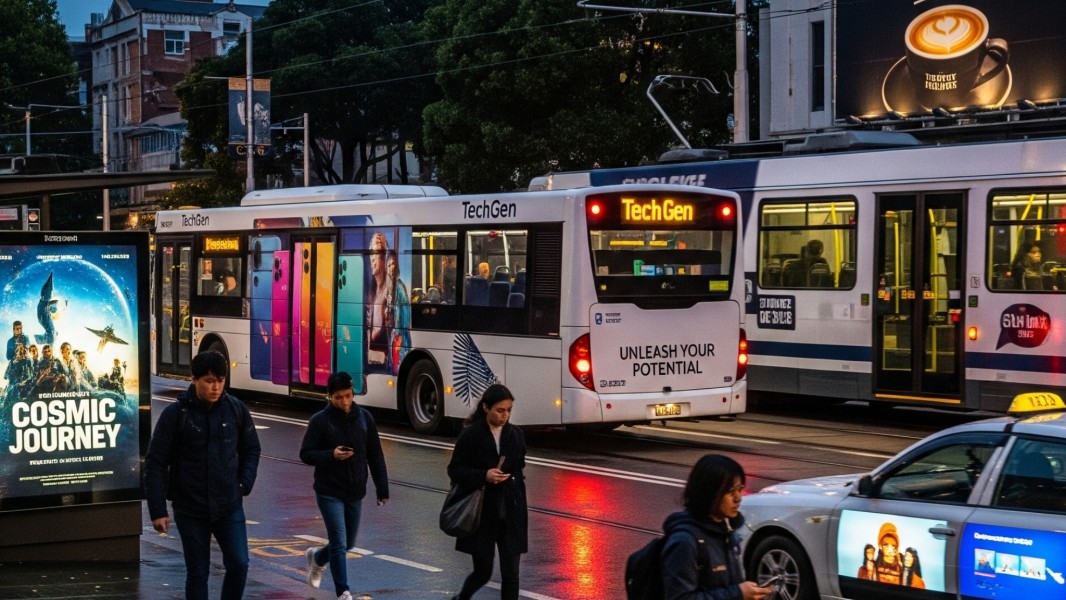
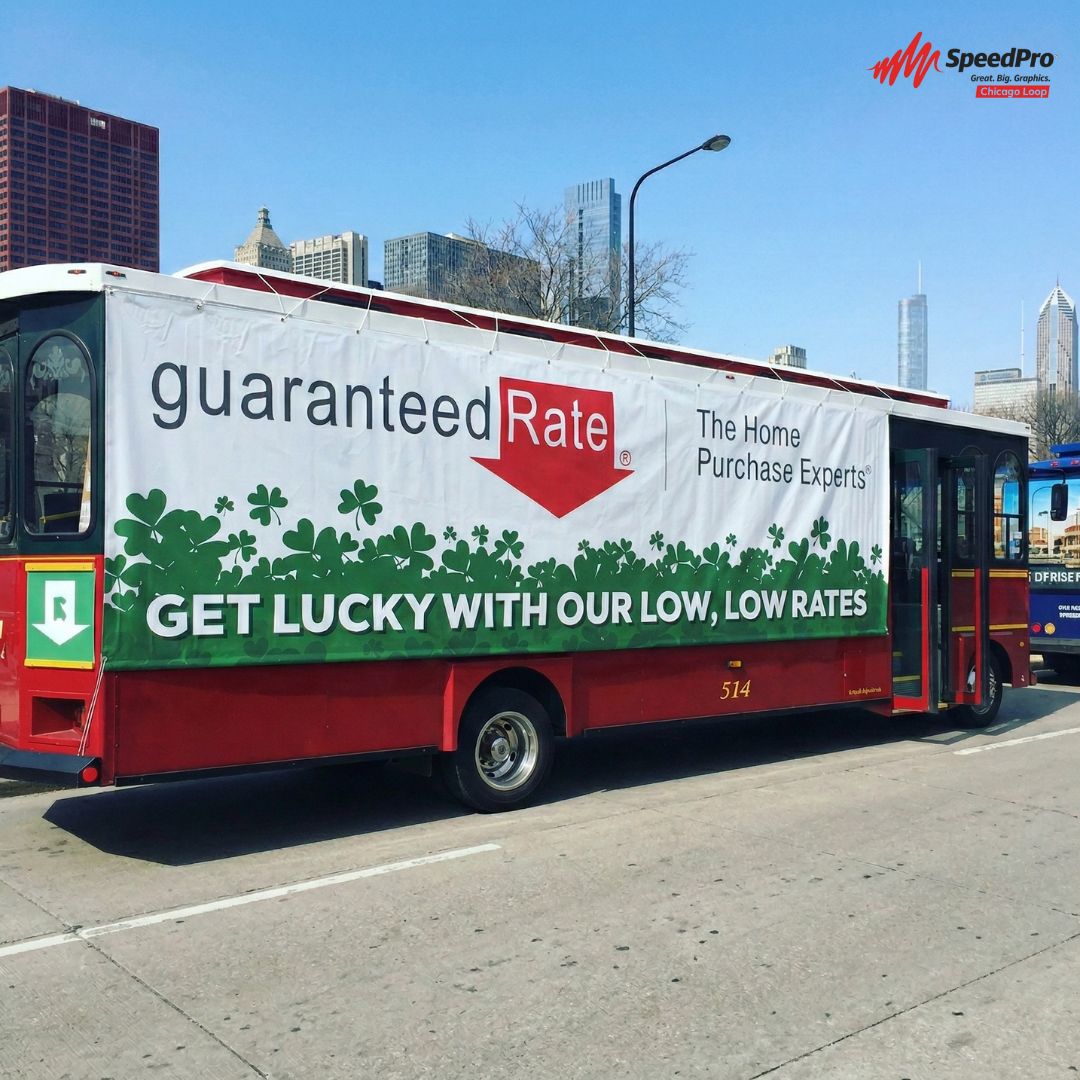
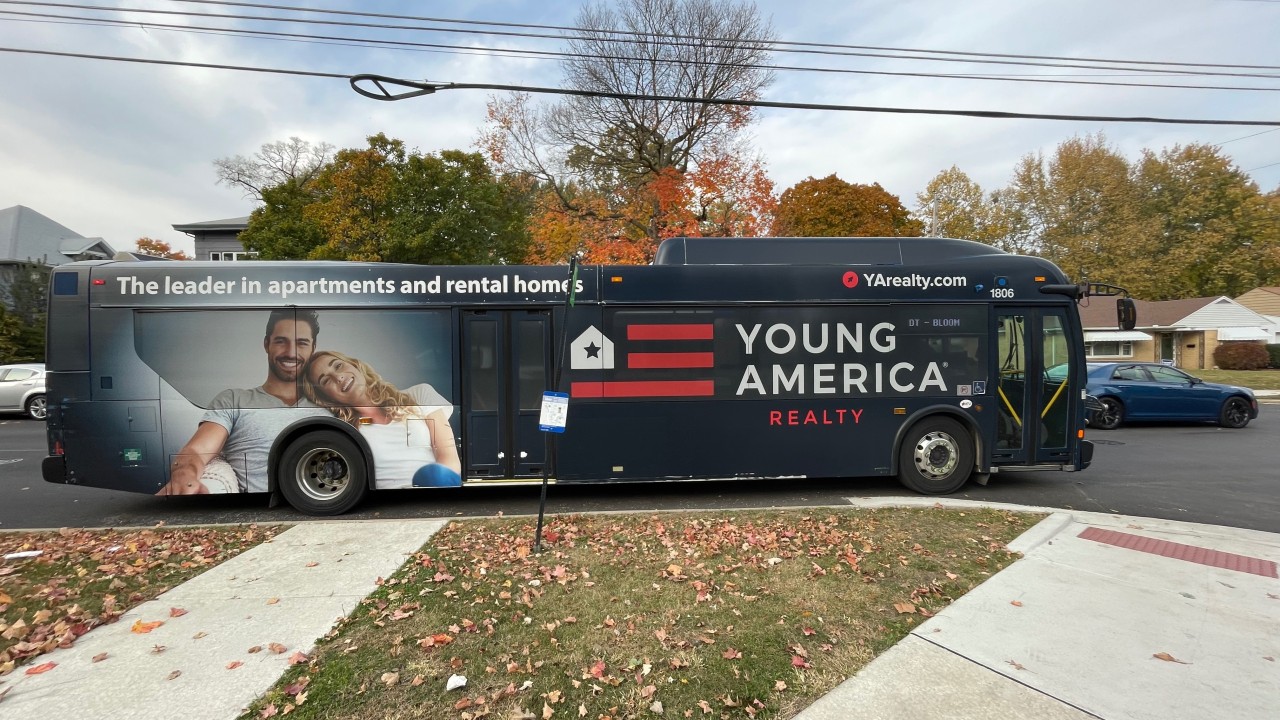
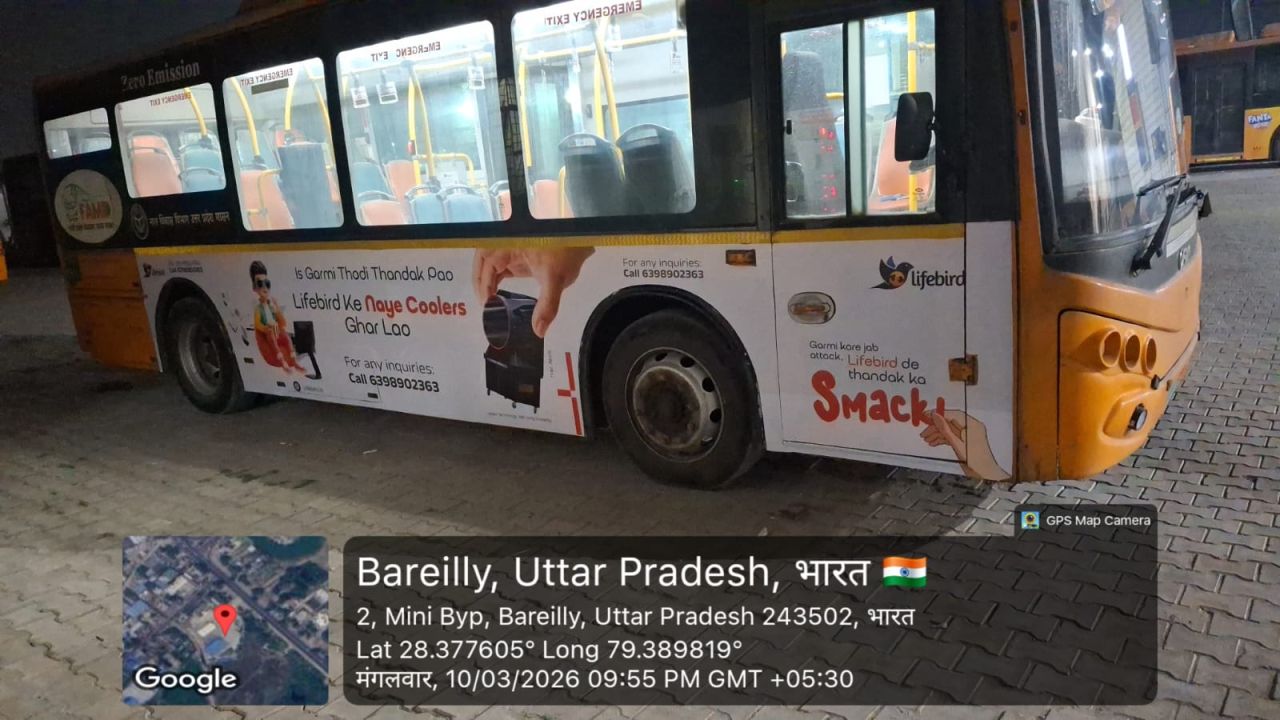
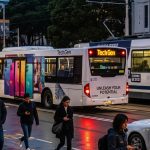
1. The “Macro” Impact: Exterior Wraps Bus and train wraps are the “heavy lifters” of awareness. When you wrap a city bus in a vibrant brand color, you aren’t just buying an ad; you’re buying a moving landmark. These are visible to pedestrians, drivers, and passengers alike. In a crowded city, a wrapped bus is a massive “pattern interrupt” that demands attention because it physically occupies a huge portion of the visual field.
2. The “Captive” Experience: Interior Panels & Digital Screens This is where the magic happens for high-consideration brands (like Fintech, EdTech, or Real Estate). When a commuter is settled into a 40-minute Metro ride, they are in a state of “commuter boredom.” They have scrolled through their phone twice and are looking for a distraction. Interior panels and TV screens provide a rare “long-form” OOH opportunity where people actually have the time to read your copy.
3. The “Last-Mile” Connection: Cabs and Autos Taxi and auto branding provide the “hyper-local” touch. These vehicles go where buses can’t into narrow residential lanes and busy local markets. They provide a “friendly” neighborhood presence, making a brand feel accessible and “already active” in the local community.
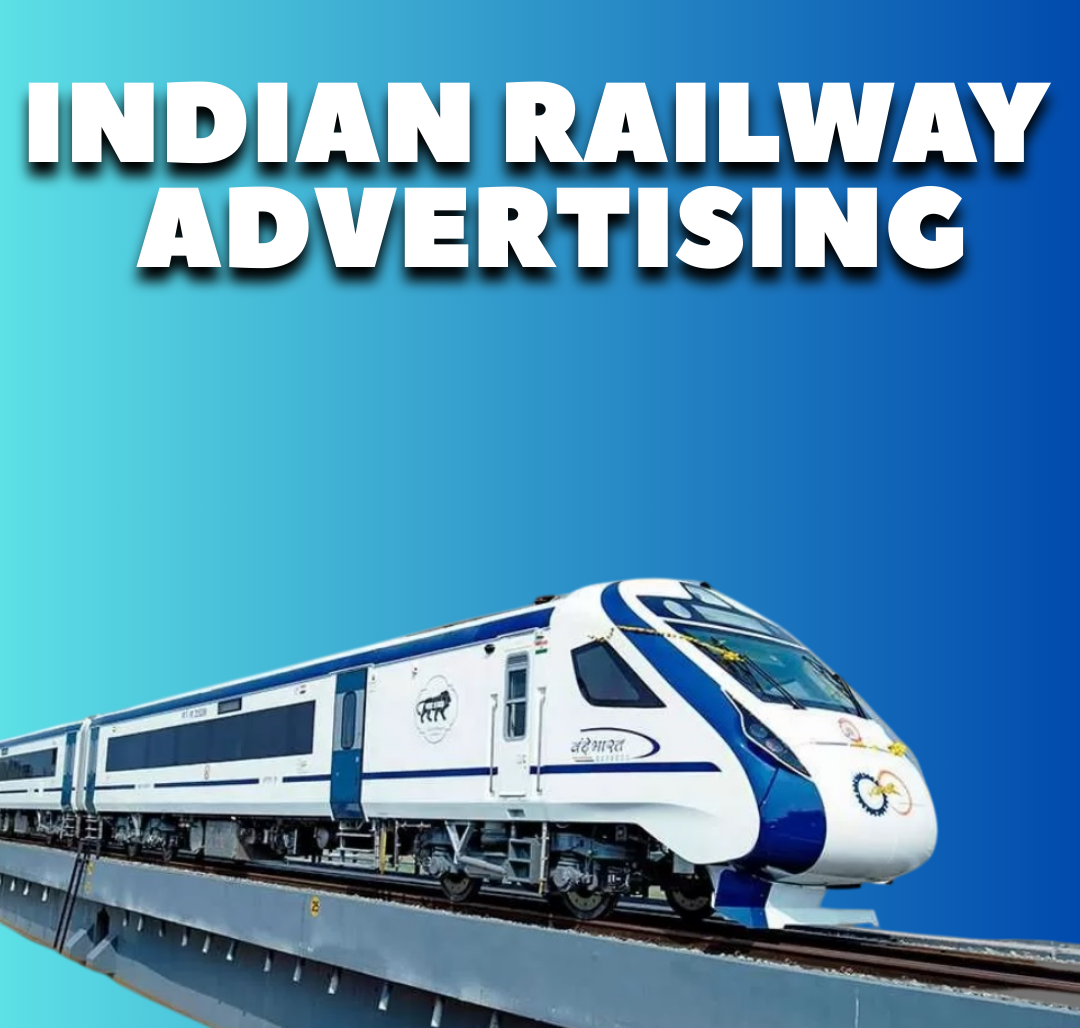
4. The “Hub” Strategy: Stations and Shelters Airports, railway platforms, and bus shelters are the “anchors.” These locations offer high “dwell time.” A person waiting for a flight or a train is in a high-intent, observant state of mind. Digital kiosks and interactive displays here allow for “physical-to-digital” handshakes, such as scanning a QR code for an instant discount.
Why Transit Wins: The Psychological Edge
Why does transit media work so much better than many digital formats today? It comes down to Visibility, Geography, and Trust.
The “Un-skippable” Factor You can’t install an “ad-blocker” on the side of a bus. You can’t “skip” the digital screen inside a taxi. Transit advertising is 24/7. It doesn’t rely on an algorithm to show your ad; it relies on the physical laws of the city. As long as people are moving, your brand is being seen.
Hyper-Local Precision If you are a premium grocery store opening a new branch in a specific neighborhood, you don’t need to advertise to the whole city. You can specifically target the bus routes and auto-rickshaw fleets that ply only within a 5km radius of your store. This ensures that every rupee of your marketing budget is spent on someone who can actually walk into your shop.
The “Legacy” Trust Factor There is a subconscious “legitimacy” that comes with physical advertising. In an era of digital scams, a brand that can afford to brand a Metro station or a fleet of buses feels “established.” For a new startup, transit media is the fastest way to signal: “We are real, we are funded, and we are here to stay.”
Case Studies: From Global Giants to Local Heroes
We’ve seen this play out with incredible results across India’s metros:
-
Coca-Cola has mastered the “Aesthetic Wrap,” using transit media not just to show a product, but to add a splash of color to a gray urban commute, making the brand synonymous with “refreshment on the go.”
-
ITC Foods provides a masterclass in station branding. By “dominating” key metro stations in Delhi and Bangalore with brands like Yippee! and Bingo!, they catch commuters when they are hungry and heading home—the perfect “Point of Purchase” nudge.
-
Zomato & Swiggy have used the “moving billboard” effect of their delivery fleets to become the most recognized logos on Indian streets. Every delivery bag is a mini-transit ad that reinforces brand recall every few seconds.
The Future: 2026 and Beyond
The future of marketing is Smart and Sustainable. We are seeing GPS-enabled ads that change their creative based on the neighborhood the vehicle is entering. We are seeing “Smog-Eating” wraps that actually clean the air as the bus moves.
Most importantly, we are seeing the Digital Bridge. A transit ad is no longer a dead end. With high-speed 5G, a commuter can tap their phone against an NFC-enabled bus poster and instantly download an app or claim a coupon.
Conclusion
Transit advertising is the ultimate “utility player” in your marketing mix. It offers the mass reach of TV, the geographic precision of local flyers, and the constant exposure that digital ads struggle to maintain.
In a world that is constantly moving, your brand can’t afford to stand still. By taking your message to the streets, the stations, and the vehicles that define our urban lives, you ensure that your brand isn’t just “seen” it becomes a part of the journey. Transit advertising isn’t just a medium; it’s a moving conversation with your customer. And in 2026, that conversation is louder and more effective than ever.