



Why is it that you can scroll through a hundred Instagram ads in a morning and remember none of them, yet you can still recite the tagline of a billboard you passed on the way to work three days ago?
In the industry, we call this High-Impact Recall. It’s not an accident or a stroke of luck; it’s a calculated strike on the human brain. While digital marketing is obsessed with “scroll-stoppers,” street-level advertising (buses, shelters, and transit hubs) plays a much deeper psychological game.
Here is why transit ads stick in the commuter’s mind long after the screen goes dark.
1. The “Mere Exposure” Effect: Familiarity Breeds Trust
Psychologists have long studied a phenomenon called the Mere Exposure Effect. It suggests that the more frequently we are exposed to something, the more we grow to like and trust it.
Digital ads are fleeting; they appear for a second and vanish. But a bus route is a routine. If a commuter sees your brand wrapped on the “502 Express” every morning at 8:15 AM, you aren’t just an advertiser anymore—you are a part of their daily landscape. By the tenth day, the brain stops categorizing your ad as “noise” and starts viewing it as a familiar, trusted entity. This transition from “stranger” to “acquaintance” is the foundation of brand loyalty.
2. The Power of the “Captive Audience”
Digital ads fight for attention in an environment of infinite distraction. When you’re on your phone, you’re multitasking. But when you’re standing at a bus shelter or sitting in traffic behind a wrapped bus, you are experiencing “Dwell Time.”
In these moments of “commuter boredom,” the brain is actually looking for a distraction. Without a “Skip Ad” button to hit, the viewer naturally engages with the environment. This lower mental resistance allows the brand message to move from short-term sight to long-term memory encoding. You aren’t forcing your way into their day; you’re filling a void in it.
3. Contextual Relevance: The “Aha!” Moment
Recall is ten times higher when an ad feels like it knows exactly where you are and how you feel. This is where street-level advertising wins the “empathy” game.
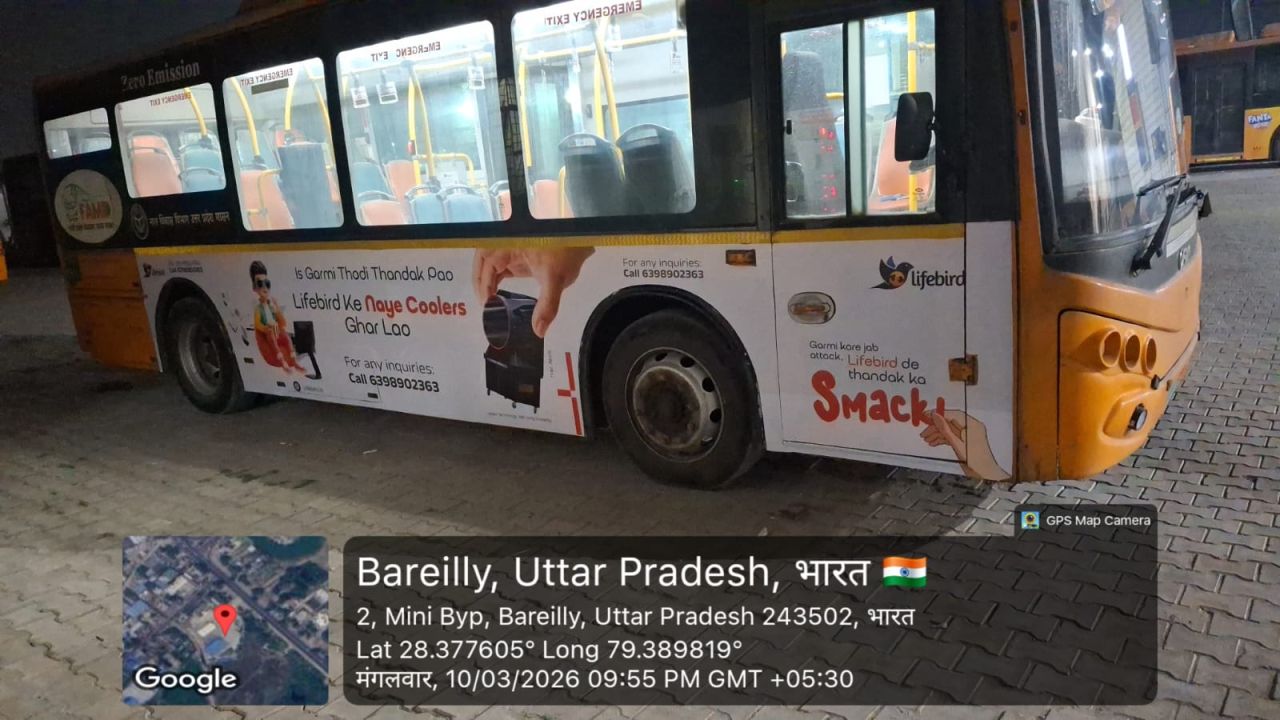
Imagine a mattress brand with a back-panel bus ad that says: “Stuck in traffic? You’d rather be in bed.” The commuter seeing that ad is currently experiencing the exact “pain point” the brand is talking about. Because the ad provides a direct emotional or physical relatability to the viewer’s current surroundings, the brain saves it as “useful information” rather than “commercial clutter.“
4. The “Picture Superiority” Effect
The human brain is wired to process visuals 60,000 times faster than text. Transit advertising leverages the Picture Superiority Effect better than almost any other medium.
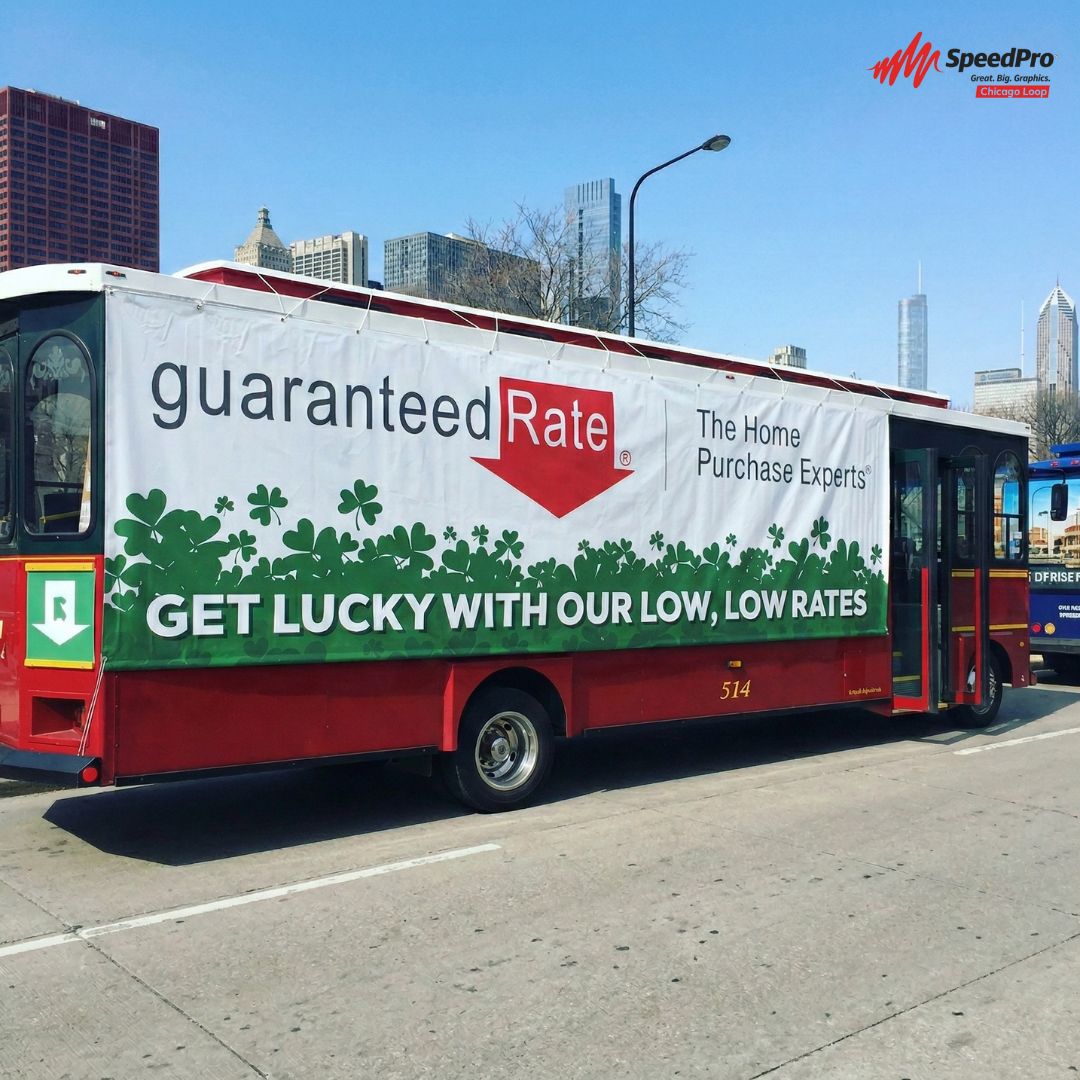
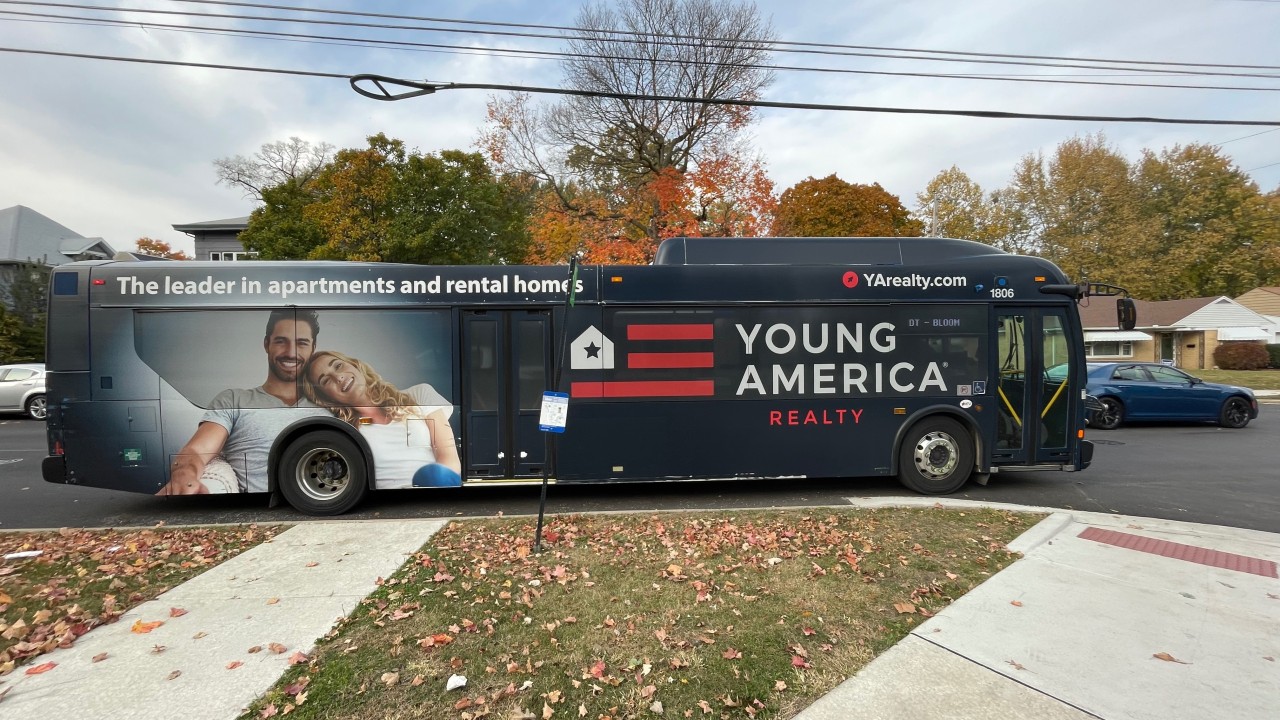
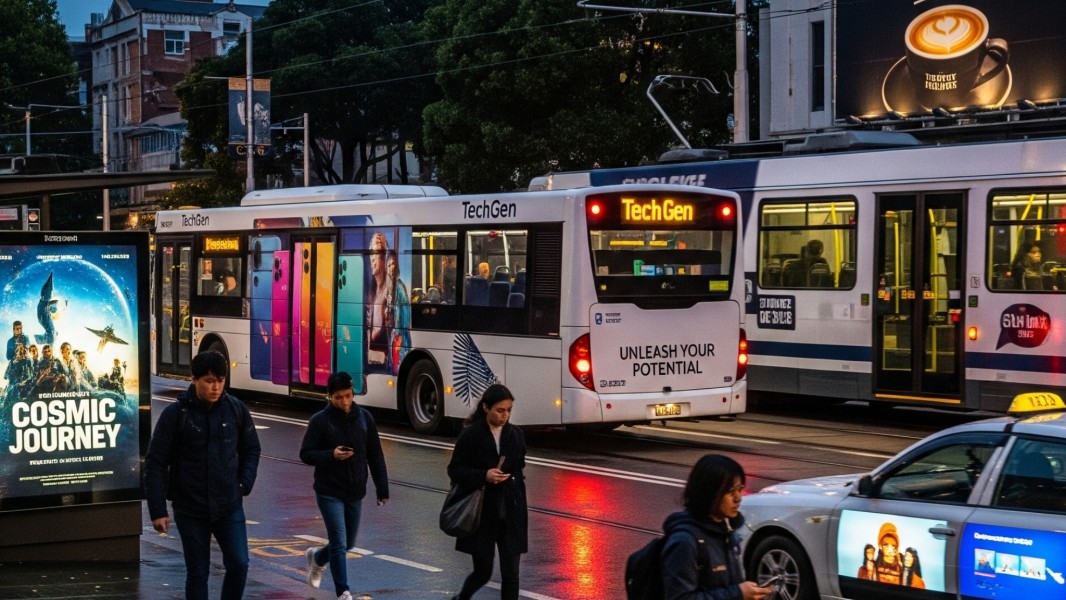
Because you have such a massive canvas—a 40-foot bus or a 6-foot shelter panel—you can use “hero” imagery that commands the eye. Unlike a tiny mobile banner where the product looks like a thumbnail, transit ads provide a life-sized (or larger) encounter. This physical scale creates a deep mental anchor that digital pixels simply cannot replicate.
5. Pattern Interruption in the “Grey” City
Our brains are survival machines designed to ignore the predictable (grey pavement, white clouds, repetitive buildings). To trigger memory, you need Visual Friction.
A vibrant, clean bus wrap moving through a congested downtown area acts as a “Pattern Interrupt.” It’s something that “shouldn’t be there” in the middle of the grey traffic. This slight jolt to the subconscious forces the brain to pay attention and “log” the event, leading to a much higher spontaneous recall rate later in the day.
Conclusion
Digital advertising is great for the “click,” but street-level advertising is for the connection. By tapping into the commuter’s routine, emotions, and natural environment, transit ads build a level of brand equity that lives in the real world.
If you want your brand to be remembered, stop trying to interrupt their scroll and start joining them on their journey.