




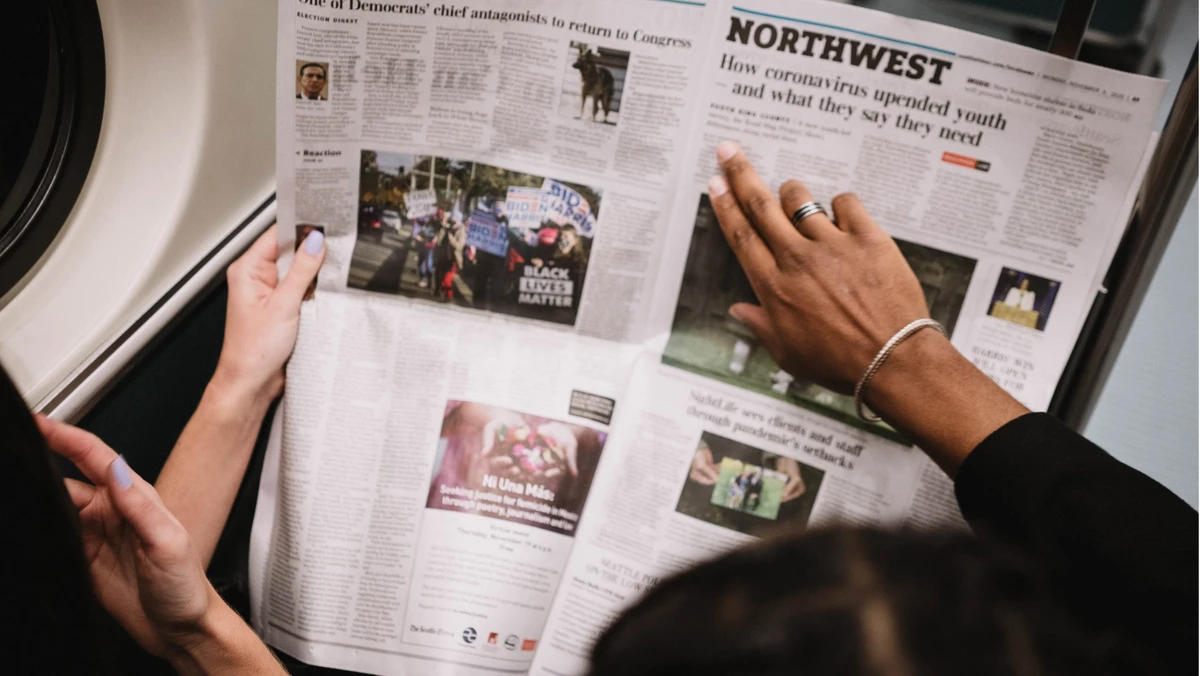
Print Media’s Reinvention Through Innovation, Integration and High-Trust Audiences tells a story very different from the long-predicted “death of print.” Instead of fading away, print media in India has repositioned itself as a premium, credible, and strategically integrated channel—especially valuable in an era of misinformation, digital fatigue, and declining trust in online platforms.
In 2026, print is no longer competing with digital on speed or scale. Instead, it is winning on credibility, attention quality, and contextual impact, making it a powerful complement to modern media strategies.
The Trust Advantage: Print’s Strongest Currency
High-Trust Audiences in a Low-Trust Digital World
Readers continue to associate newspapers with:
-
Credibility
-
Editorial accountability
-
Verified information
Unlike open digital platforms, print content passes through rigorous editorial checks. Therefore, print media’s reinvention through high-trust audiences has made it especially attractive for:
-
BFSI brands
-
Government and public-sector messaging
-
Education and healthcare advertisers
Trust is no longer a soft metric—it directly influences brand consideration and purchase confidence.
Innovation: How Print Has Evolved Beyond Ink and Paper
Smarter Formats and Visual Storytelling
Modern print innovation includes:
-
Custom jackets and front-page innovations
-
High-impact gatefolds and half-jackets
-
Thematic city takeovers
-
Premium paper and ink finishes
These formats increase dwell time and visual impact, turning newspapers into experience-led brand surfaces.
Data-Led Print Planning
Leading publishers now use:
-
Readership analytics
-
City and pin-code level segmentation
-
Interest-based readership profiling
As a result, print planning is far more precise than the outdated perception of “mass-only” reach.
Integration: Print as a Strategic Amplifier, Not a Standalone Medium
Print + Digital + Outdoor Synergy
Print performs best today when integrated with:
-
Digital and social campaigns
-
DOOH and outdoor branding
-
Radio and on-ground activations
For example, a front-page print ad can set narrative authority, while digital retargeting sustains frequency. This integration strengthens message credibility and recall.
QR Codes and Phygital Extensions
Print ads increasingly feature:
-
QR codes
-
Short URLs
-
App download prompts
This bridges offline trust with online action, making print measurable and performance-supportive.
Role of Print in Brand Building vs Performance
Strong Upper-Funnel Influence
Print excels at:
-
Brand launches
-
Corporate reputation building
-
Policy and financial communication
-
Long-form storytelling
Because readers engage deeply, print influences brand perception more durably than fleeting digital impressions.
Supporting Performance Indirectly
While print may not drive last-click conversions, it:
-
Improves conversion quality
-
Reduces acquisition friction
-
Increases response rates across other channels
Thus, print boosts overall media effectiveness rather than operating in isolation.
Why Premium Brands Are Returning to Print
Brand Safety and Controlled Context
Unlike digital environments where ads may appear next to questionable content, print offers complete context control. This makes it attractive for premium and sensitive categories.
Attention Without Algorithmic Disruption
Print delivers uninterrupted attention—no pop-ups, no scrolling, no ad skipping. Therefore, ad messages are fully consumed, not partially seen.
Publisher-Led Innovation in India
Major Indian publications such as The Times of India, Hindustan Times, and The Hindu have invested heavily in:
-
Integrated newsroom + brand studios
-
Native content solutions
-
Cross-platform advertising packages
These efforts position print not as legacy media, but as a premium content ecosystem.
Print’s Role in Regional and Vernacular Markets
Deep Penetration and Cultural Relevance
In Tier-2 and Tier-3 markets, vernacular newspapers remain the primary information source. They offer:
-
Language familiarity
-
Community relevance
-
Strong household penetration
As digital trust fluctuates, regional print continues to command loyalty and influence.
Measurement and Accountability in Modern Print Campaigns
Print measurement has evolved through:
-
Post-campaign brand lift studies
-
QR and call tracking
-
Market-level sales correlation
-
Integrated attribution modelling
Therefore, print today is measurable, defensible, and accountable within broader media plans.
Challenges Print Still Faces
Perception Lag, Not Performance Lag
The biggest challenge is outdated perception among younger marketers. However, data increasingly proves that print delivers high-quality attention, even if reach volumes are lower than digital.
Need for Continued Innovation
To remain relevant, print must continue investing in:
-
Creative formats
-
Integrated storytelling
-
Data-led planning
Static, generic print ads no longer suffice.
Why Print’s Reinvention Matters in 2026
Print Media’s Reinvention Through Innovation, Integration and High-Trust Audiences matters because marketing today is not just about visibility—it is about belief, credibility, and long-term brand equity.
In an environment where consumers question what they see online, print provides reassurance, authority, and permanence.
Conclusion
Print Media’s Reinvention Through Innovation, Integration and High-Trust Audiences proves that legacy does not mean obsolete. By embracing innovation, integrating seamlessly with digital and outdoor media, and leveraging its unmatched trust quotient, print has secured a renewed and strategic role in modern media planning.
For brands seeking credibility, attention quality, and meaningful storytelling, print is no longer optional—it is a powerful differentiator in an over-digitised world.