

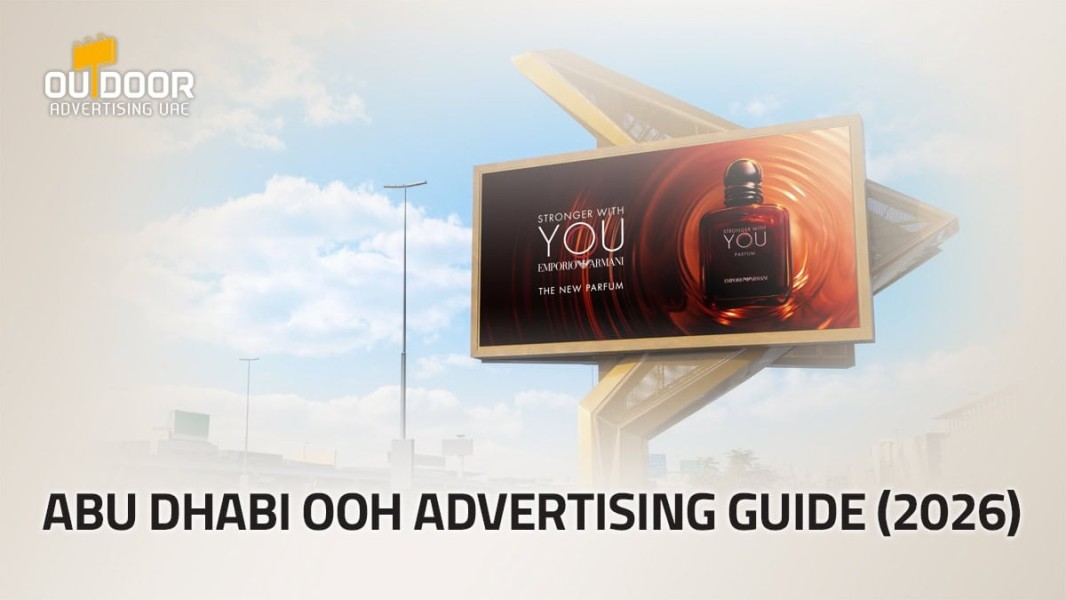
If you’ve driven down the E11 or walked through Al Maryah Island recently, you’ve seen it: Abu Dhabi’s advertising scene has reached a whole new level of sophistication. It’s no longer just about who has the biggest board; it’s about who has the smartest placement.
In 2026, the UAE capital is a high-stakes environment where premium brands compete for the attention of a very specific, very wealthy audience. To win here, you need to understand the city’s pulse from the 100km/h highway glances to the “dwell time” at the world’s most luxurious malls.
1. The Abu Dhabi Edge: Quality Over Quantity
Unlike cities that are cluttered with messy signage, OOH In Abu Dhabi is meticulously curated. The Department of Municipalities and Transport (DMT) keeps things tight, which is actually a blessing for your brand. It means when you do get a spot, you aren’t competing with ten other banners. You own that visual space.
Why it works in 2026:
-
The “Madhmoun” Factor: As of January 1, 2026, new rules require transparency. For industries like real estate, every physical sign must now feature a Madhmoun QR code. This has cleaned up the streets by removing “ghost” ads, leaving more room for legitimate, high-tier brands.
-
The Elite Commuter: You aren’t just reaching “people”; you’re reaching CEOs heading to ADGM, diplomats on Airport Road, and high-spending tourists on their way to the Louvre.
2. Location Intelligence: Beyond the Landmarks
Everyone knows Yas Island, but a smart media buyer looks for the “in-between” spaces where decisions are made.
-
Zayed International Airport (The Gateway): With the full activation of Terminal A, this is where you catch the “Global C-Suite.” If your brand is about prestige, this is your starting line.
-
The Financial Corridor (Al Maryah & Al Reem): This is the heart of Abu Dhabi’s wealth. Outdoor Digital (DOOH) screens here are sleek and integrated into the architecture. They don’t look like ads; they look like part of the skyline.
-
Sheikh Zayed Bin Sultan Street: This is the “inter-city” powerhouse. It’s the primary vein for traffic moving between Dubai and Abu Dhabi. Massive uni-poles here offer the longest lead-in time for drivers, making them perfect for high-impact brand launches.
3. The 2026 Tech Shift: DOOH and Immersive Content
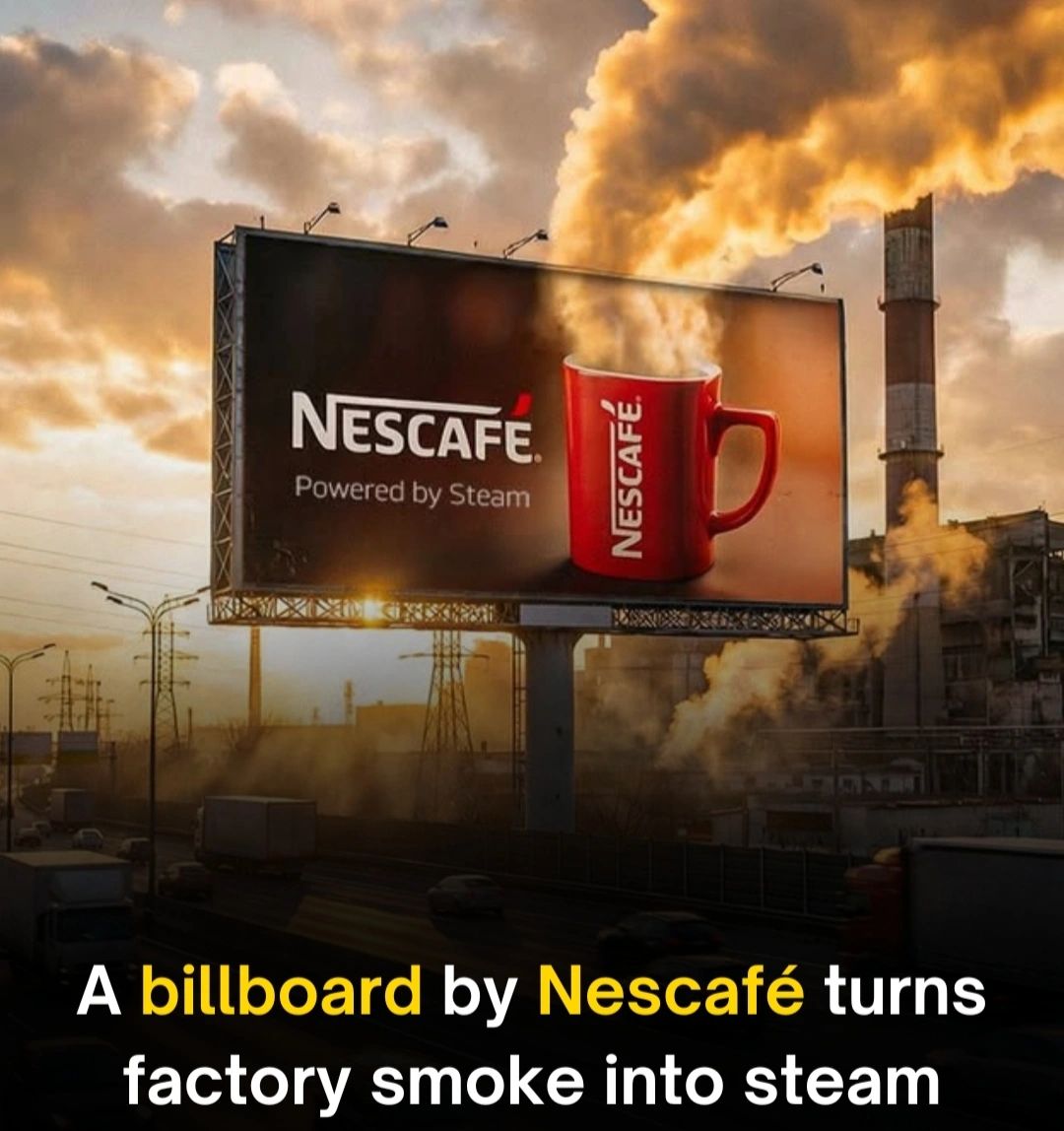
We’ve officially entered the era of “Smart OOH.” In 2026, if your digital billboard isn’t changing based on the weather or the time of day, you’re leaving money on the table.
-
3D Anamorphic Displays: These “pop-out” screens at Al Qana and Yas Mall are the current gold standard. They stop pedestrians in their tracks and, more importantly, they get shared on social media, giving your physical ad a second life online.
-
Programmatic Buying: Brands are now buying “audiences,” not just “locations.” You can now bid for screen time specifically during the morning rush hour or only when the temperature is cool enough for people to be walking the Corniche.
4. Real Talk: Costs and Compliance
Let’s be honest Abu Dhabi is a “pay-to-play” market. It is expensive because the ROI is there.
-
Pricing Reality: A prime bridge banner on a major highway can easily run you AED 200,000+ per month, while a network of high-frequency lampposts might start around AED 25,000 for a two-week cycle.
-
The Bilingual Rule: This is non-negotiable. Your ad must be in both Arabic and English. In 2026, the DMT is stricter than ever if your Arabic text is smaller than your English text, you risk a fine or a forced takedown.
-
Cultural Nuance: Abu Dhabi is a city of “Quiet Luxury.” Avoid loud, flashy, or aggressive sales pitches. Sophistication, clean lines, and respectful imagery win the day.
5. Who is Running the Show?
If you’re looking to book, you’ll likely be talking to the big three:
-
Viola Outdoor: They dominate much of the city’s highway and bridge inventory.
-
BackLite Media: The go-to for premium, high-end “lifestyle” placements in places like Al Qana.
-
JCDecaux: The masters of transit and airport advertising.
Conclusion
The secret to OOH in Abu Dhabi for 2026 is simple: Respect the environment and the audience. Don’t just slap a logo on a board. Use the city’s unique geography the long highways for awareness, the digital screens in the financial centers for prestige, and the interactive mall displays for conversion. In a city built on vision, your advertising needs to be a part of that vision, not a distraction from it.