





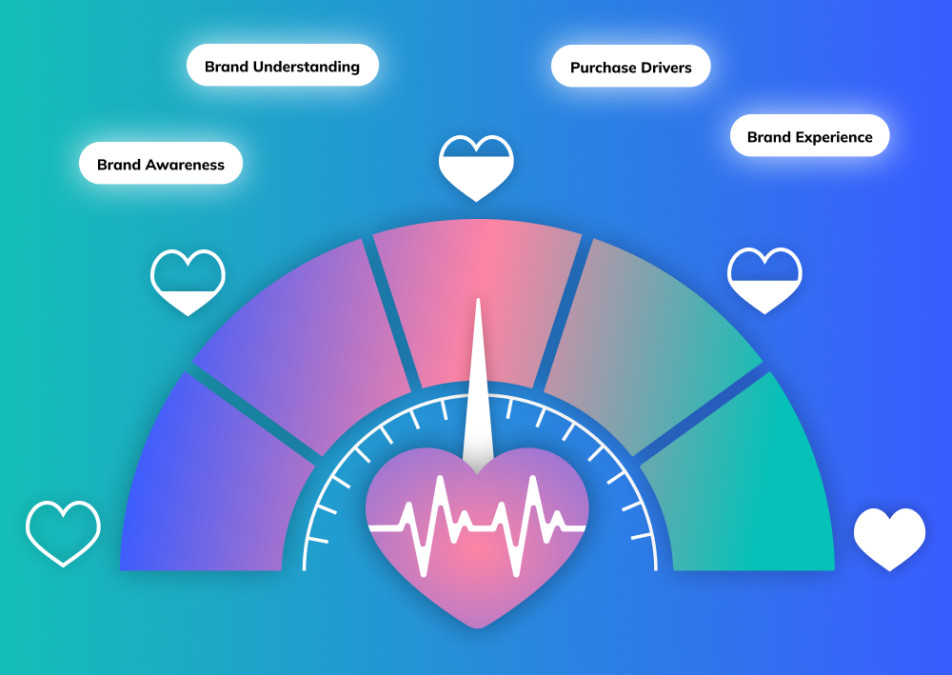
For years, brand health measurement has leaned heavily on digital metrics. Click-through rates, impressions, engagement, and attribution models have dominated marketing dashboards. However, as digital ecosystems become increasingly complex and algorithm-driven, these indicators alone no longer provide a complete picture.
Brands are now recognizing a critical gap: many of the strongest indicators of brand strength occur offline. From physical visibility to consumer behavior in real-world environments, offline signals are gaining renewed importance in evaluating true brand health.
This shift is redefining how marketers assess long-term brand performance.
The Limitations of Digital-Only Brand Measurement
Digital metrics excel at tracking activity, but they often fail to measure perception. High engagement does not always translate into trust, preference, or loyalty.
Key challenges include:
-
Attribution bias toward last-click actions
-
Inflated engagement from low-intent interactions
-
Limited insight into emotional impact
-
Weak correlation with long-term brand equity
As a result, brands may appear healthy digitally while weakening in the real world.
Why Offline Signals Reflect Deeper Brand Strength
Brand health is fundamentally about how consumers feel, remember, and behave—not just how they click.
Offline signals capture these dimensions more effectively because they reflect real-world choices and habitual behavior. These signals often develop gradually, offering insight into sustained brand relevance.
Therefore, offline indicators provide a more stable and meaningful view of brand health.
Key Offline Signals That Indicate Brand Health
1. Physical Brand Visibility
Consistent presence across outdoor media, transit environments, retail signage, and on-ground touchpoints reinforces legitimacy and familiarity.
High visibility in everyday environments strengthens mental availability, a core component of brand health.
2. Footfall and Store Interaction Trends
Changes in walk-ins, dwell time, and repeat visits offer valuable insight into consumer intent and trust.
Unlike digital impressions, footfall reflects active choice rather than passive exposure.
3. Word-of-Mouth and Local Conversation
Brand discussions within communities, markets, and social settings strongly indicate perception.
Positive offline conversation often signals credibility and satisfaction more accurately than online reviews alone.
4. Distribution and Channel Pull
When retailers or partners actively request a brand, it indicates demand-driven strength.
Channel pull is a powerful offline indicator of brand health rarely captured digitally.
5. Search Behavior Triggered by Offline Exposure
Increased branded searches following offline campaigns demonstrate real-world influence on digital behavior.
This connection highlights how offline signals often initiate online action.
The Role of Offline Signals in Long-Term Brand Equity
Brand equity builds slowly through repeated exposure, consistency, and trust. Offline environments provide stable, non-skippable interactions that support this process.
Repeated visibility in physical spaces reinforces recognition even without active engagement. Over time, this familiarity translates into preference.
Thus, offline signals play a central role in sustaining long-term brand equity.
Why CMOs Are Rebalancing Measurement Frameworks
Marketing leaders increasingly recognize that digital dashboards show only part of the story. As a result, CMOs are expanding brand health frameworks.
Modern measurement models now combine:
-
Digital performance indicators
-
Offline visibility metrics
-
Recall and consideration studies
-
Behavioral and distribution signals
This integrated approach delivers a more accurate understanding of brand strength.
The Strategic Value of Offline Data in Decision-Making
Offline signals help brands evaluate market maturity, geographic performance, and competitive positioning.
For example, strong recall but weak footfall may indicate pricing barriers. Conversely, strong distribution pull may signal growth potential.
Such insights guide smarter media investment and expansion planning.
Technology Enabling Offline Measurement
Advances in analytics now allow better capture of offline data through:
-
Location intelligence
-
Footfall attribution models
-
Survey-based recall measurement
-
Search uplift analysis
These tools help connect physical exposure with brand outcomes more effectively.
The Future of Brand Health Measurement
As marketing becomes increasingly hybrid, brand health measurement must follow suit. Digital metrics will remain important, but they cannot stand alone.
Offline signals will continue to gain relevance as indicators of trust, familiarity, and stability.
Brands that integrate these signals into decision-making will gain clearer insight into sustainable growth.
Conclusion
The growing importance of offline signals reflects a broader shift in how brand health is understood. True brand strength cannot be measured solely through clicks and views.
By incorporating physical visibility, real-world behavior, and community response, marketers gain a deeper and more reliable understanding of brand performance.
In an increasingly digital world, offline signals are proving essential to measuring what truly matters—brand health.