




Marketing has entered an era dominated by algorithms. From social feeds and search results to programmatic advertising and content recommendations, algorithms now decide what consumers see, when they see it, and how often it appears.
While this system improves efficiency, it has quietly weakened brand recall. Performance metrics may look strong, yet long-term memory and emotional connection often remain low. As a result, CMOs are reassessing how brands stay memorable in an environment governed by automated distribution.
Today, rebuilding brand recall has become a strategic priority.
The Brand Recall Challenge in Algorithm-Driven Media
Algorithms prioritize relevance, immediacy, and engagement signals. Consequently, content visibility depends on behavior patterns rather than brand consistency.
This creates several challenges:
-
Brand messages appear sporadically
-
Frequency becomes inconsistent
-
Creative formats change constantly
-
Messaging fragments across platforms
As a result, consumers may interact with campaigns without remembering the brand behind them.
Why Performance Marketing Alone Is No Longer Enough
For years, growth strategies focused heavily on conversion-based marketing. Clicks, installs, and leads dominated decision-making.
However, performance-led media often emphasizes short-term outcomes at the expense of long-term memory. Ads are optimized for action, not recognition.
CMOs increasingly recognize that without recall, performance eventually plateaus. Therefore, brand-building is returning to the center of strategy.
How CMOs Are Redefining Brand Recall Strategy
1. Reinvesting in High-Visibility Media Channels
To counter algorithm volatility, CMOs are reallocating budgets toward media that offers guaranteed exposure.
Formats such as outdoor, transit, and high-impact placements provide consistent visibility regardless of platform changes. These channels reinforce brand presence through repeated visual exposure.
As a result, recall improves through familiarity rather than clicks.
2. Prioritizing Distinctive Brand Assets
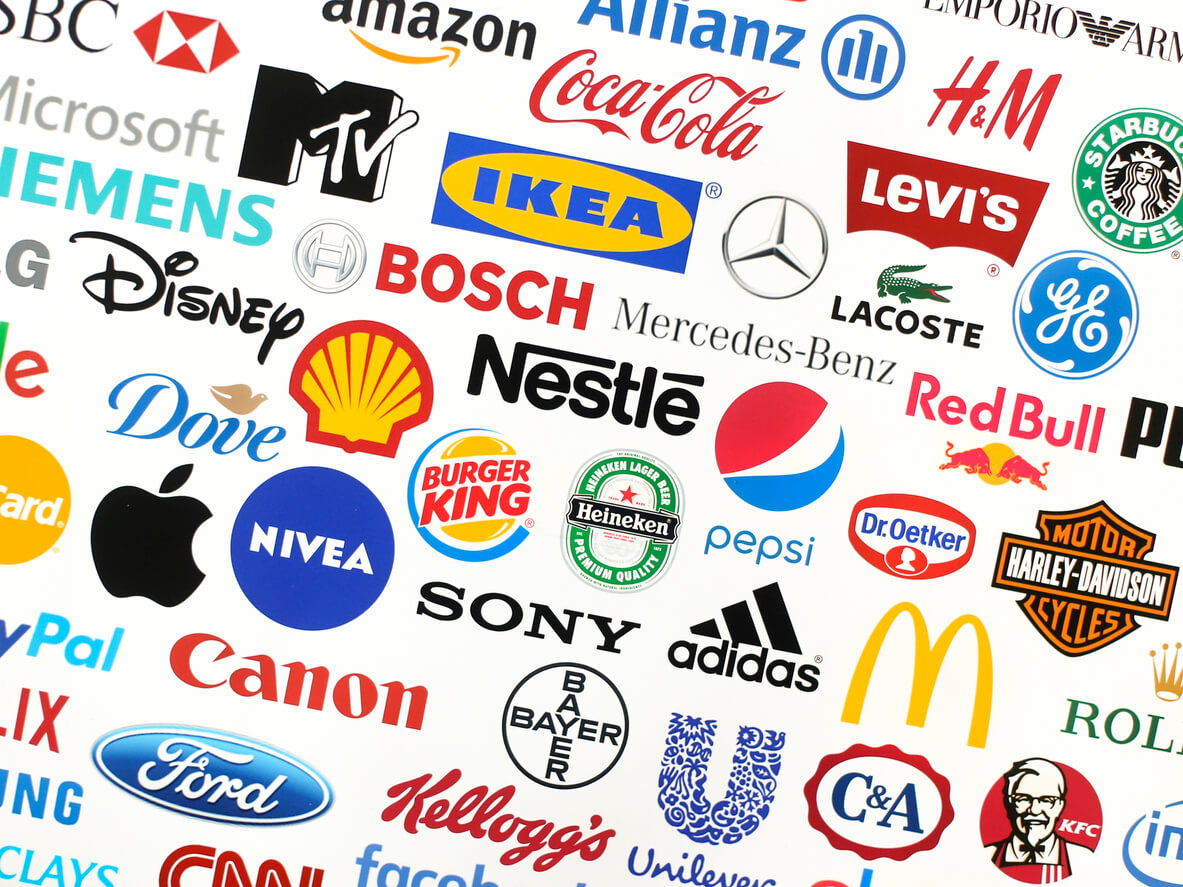
Strong brand recall depends on recognizability. CMOs now emphasize distinctive elements such as:
-
Consistent color systems
-
Unique typography
-
Iconic logos
-
Sonic branding cues
These assets allow consumers to recognize the brand instantly—even with minimal messaging.
3. Simplifying Messaging for Faster Memory Encoding
Memory forms quickly when information is simple and repeated. Therefore, CMOs are reducing message complexity.
Instead of rotating multiple campaign ideas, brands focus on one clear narrative repeated across touchpoints. This improves encoding in long-term memory.
Consistency now outweighs novelty.
4. Balancing Algorithmic Media With Physical Presence
Digital exposure alone often lacks permanence. Consequently, CMOs are combining digital performance with physical visibility.
Real-world media creates non-skippable exposure that reinforces digital messaging. When consumers see the same brand online and offline, recall strengthens significantly.
This hybrid approach stabilizes brand memory.
The Role of Frequency in Recall Rebuilding
Algorithms often limit frequency to avoid fatigue. However, insufficient repetition weakens memory formation.
CMOs are redefining frequency planning by focusing on cumulative exposure across channels rather than within a single platform.
Repeated brand signals across environments create stronger recall than isolated digital impressions.
Moving From Attribution to Memory-Based Metrics
Traditional attribution models fail to capture recall. Therefore, marketing leaders are expanding measurement frameworks.
Key recall-focused metrics include:
-
Brand lift studies
-
Unaided recall tracking
-
Search uplift analysis
-
Long-term consideration scores
These indicators help CMOs evaluate how marketing influences memory over time.
Why Emotional Consistency Matters More Than Optimization
Algorithms optimize delivery, not emotion. Emotional connection must be designed intentionally.
CMOs are aligning campaigns around consistent emotional territory—trust, confidence, aspiration, or reliability. When emotional tone remains stable, recall strengthens naturally.
This approach ensures brand meaning survives algorithmic variation.
Rebuilding Recall in High-Fragmentation Consumer Journeys
Modern consumers encounter brands in brief, disconnected moments. Therefore, recall depends on how quickly recognition occurs.
CMOs focus on:
-
Fast visual identification
-
Message clarity within seconds
-
Cross-platform creative alignment
These principles ensure brands remain recognizable even when exposure is fleeting.
The Strategic Payoff of Strong Brand Recall
Brands with strong recall benefit from:
-
Lower acquisition costs
-
Higher conversion efficiency
-
Stronger pricing power
-
Improved long-term growth
CMOs increasingly view recall as a growth multiplier rather than a soft metric.
Conclusion
In an algorithm-driven media world, visibility alone is not enough. Brands must remain memorable even when exposure is fragmented and controlled by automated systems.
By reinvesting in consistent visibility, simplifying messaging, strengthening distinctive assets, and blending physical and digital media, CMOs are rebuilding brand recall deliberately.
Ultimately, the brands that win will be those remembered—not merely delivered.