



DOOH Becoming a Core Media Pillar with Programmatic Buying and Real-Time Targeting reflects a major shift in how brands approach out-of-home advertising. What was once considered a support or awareness-only medium has now evolved into a data-driven, dynamic, and measurable channel that sits alongside digital, social, and CTV in modern media plans.
With the rise of programmatic buying and real-time targeting, DOOH is no longer static or generic. Instead, it has become adaptive, audience-aware, and performance-aligned—making it a core pillar of omnichannel strategies in 2026.
Why DOOH Has Entered the Core Media Mix
Digital Screens Enable Dynamic Storytelling
The rapid expansion of digital screens across:
-
Roadsides
-
Malls
-
Airports
-
Metro stations
-
Office and residential environments
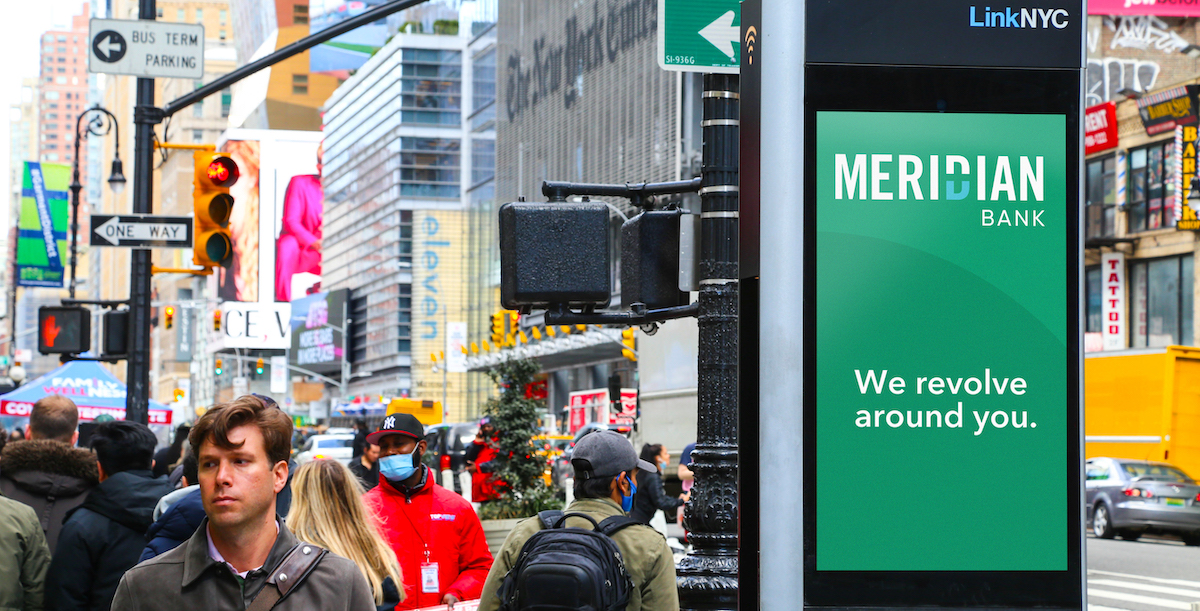
has transformed outdoor advertising into a digital-first medium. As a result, DOOH can now support multiple creatives, contextual messaging, and time-based delivery.
Urban Audiences Are Screen-First, Not Channel-First
Consumers move fluidly between mobile, CTV, and physical screens. Therefore, DOOH fits naturally into the modern attention ecosystem—especially in high-density urban centres like Mumbai, Delhi, Bengaluru, and Hyderabad.
The Role of Programmatic Buying in DOOH Growth
From Fixed Plans to Flexible Activation
Traditional DOOH buying relied on fixed-duration bookings. Programmatic DOOH changes this by allowing:
-
Day-part based buying
-
Impression-based optimisation
-
Trigger-led activation
As a result, brands can deploy budgets with the same agility they expect from digital media.
Automated Yet Controlled Inventory Access
Programmatic platforms allow advertisers to:
-
Select screen types and environments
-
Apply brand-safety and location filters
-
Optimise delivery based on performance signals
Therefore, DOOH becoming a core media pillar with programmatic buying and real-time targeting is a direct outcome of improved buying transparency and control.
Real-Time Targeting: The Game Changer for DOOH
Contextual and Moment-Based Messaging
Modern DOOH campaigns can adapt creatives in real time based on:
-
Time of day
-
Weather conditions
-
Traffic density
-
Local events
-
Audience movement patterns
For example, a food delivery brand can promote lunch offers at noon, while a ride-hailing brand increases visibility during rain or peak hours.
Audience Signals Without Personal Data
Unlike digital tracking, DOOH targeting relies on privacy-safe contextual and location intelligence, not personal identifiers. This makes it highly compliant in a privacy-first world.
How DOOH Integrates with Omnichannel Media Planning
Seamless Alignment with Digital and CTV
Programmatic DOOH is increasingly planned alongside:
-
Mobile and display advertising
-
CTV and OTT video
-
Social and search campaigns
As a result, brands deliver consistent messaging across physical and digital touchpoints, reinforcing recall and frequency.
Supporting Upper and Mid-Funnel Objectives
While DOOH excels at awareness, real-time targeting also allows it to:
-
Support launches
-
Drive consideration
-
Amplify digital bursts
This flexibility strengthens its position as a core, not auxiliary, medium.
Categories Driving Programmatic DOOH Adoption
Retail, QSR, and E-commerce
These categories benefit from:
-
Hyperlocal targeting
-
Time-sensitive messaging
-
Immediate behavioural triggers
BFSI, Mobility, and Services
Financial services, EV brands, and mobility platforms use DOOH to influence decisions during high-intent moments such as commuting, travel, and waiting periods.
Entertainment and OTT Platforms
OTT launches and content drops leverage DOOH for high-impact city-level visibility aligned with digital promotions.
Measurement and Accountability in Modern DOOH
Beyond Impressions to Outcomes
Programmatic DOOH supports measurement through:
-
Impression and play counts
-
Footfall and dwell-time modelling
-
Brand lift and recall studies
-
Correlation with mobile and search activity
Therefore, DOOH now speaks the language of metrics and outcomes, not just visibility.
Why Media Planners Are Elevating DOOH to Core Status
Planners now value DOOH because it offers:
-
High attention in low-clutter environments
-
Scalable urban reach
-
Digital-like flexibility with physical impact
-
Privacy-safe targeting
Consequently, DOOH becoming a core media pillar with programmatic buying and real-time targeting is a logical evolution, not a trend spike.
Challenges Brands Must Manage
Inventory Standardisation and Screen Quality
Not all DOOH screens are equal. Brands must ensure:
-
High-quality environments
-
Reliable uptime
-
Consistent measurement standards
Creative Agility
Real-time DOOH requires modular, adaptable creatives. Without creative readiness, the medium’s flexibility cannot be fully utilised.
What the Future Holds for Programmatic DOOH
Looking ahead, DOOH will increasingly integrate with:
-
AI-led audience prediction
-
Smart city infrastructure
-
Mobility and retail data layers
-
Cross-screen frequency management
As a result, DOOH will function as a live, responsive media layer within cities, not just a display format.
Conclusion
DOOH Becoming a Core Media Pillar with Programmatic Buying and Real-Time Targeting signals a fundamental shift in outdoor advertising’s role. By combining scale, context, and automation, DOOH has evolved into a smart, accountable, and indispensable channel in modern media planning.
For brands navigating fragmented attention and privacy-first advertising, programmatic DOOH offers the rare combination of mass reach, contextual relevance, and digital intelligence—making it a true cornerstone of the 2026 media ecosystem.