

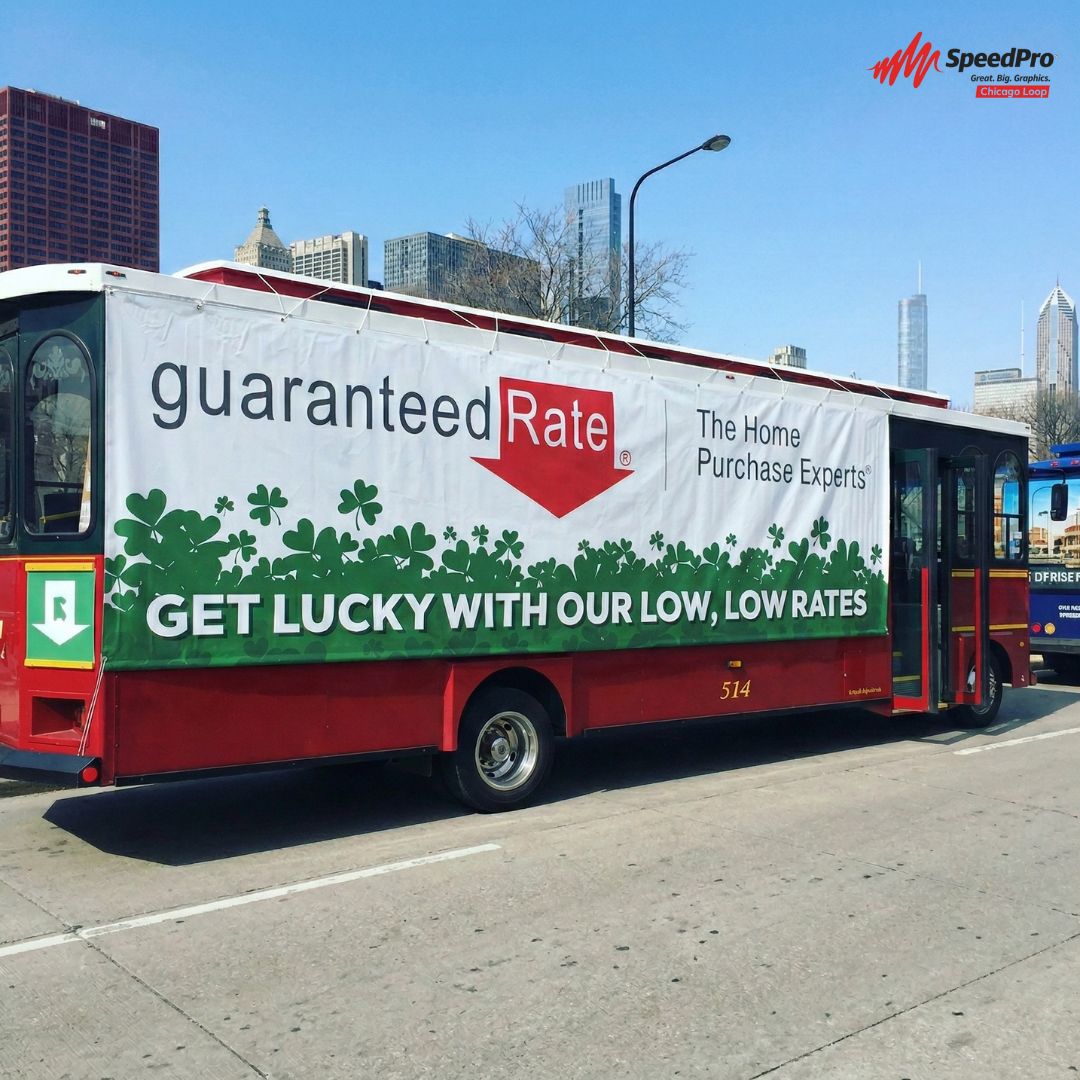
In a city like Chicago, where the skyline competes for your gaze and the “L” train rattles overhead, standing out is a contact sport. For local businesses, the challenge isn’t just getting seen it’s staying relevant in a landscape that never stops moving.
Traditional billboards are great, but they are anchored. They wait for the audience to come to them. But in 2026, the most savvy Chicago brands aren’t waiting. They are riding.
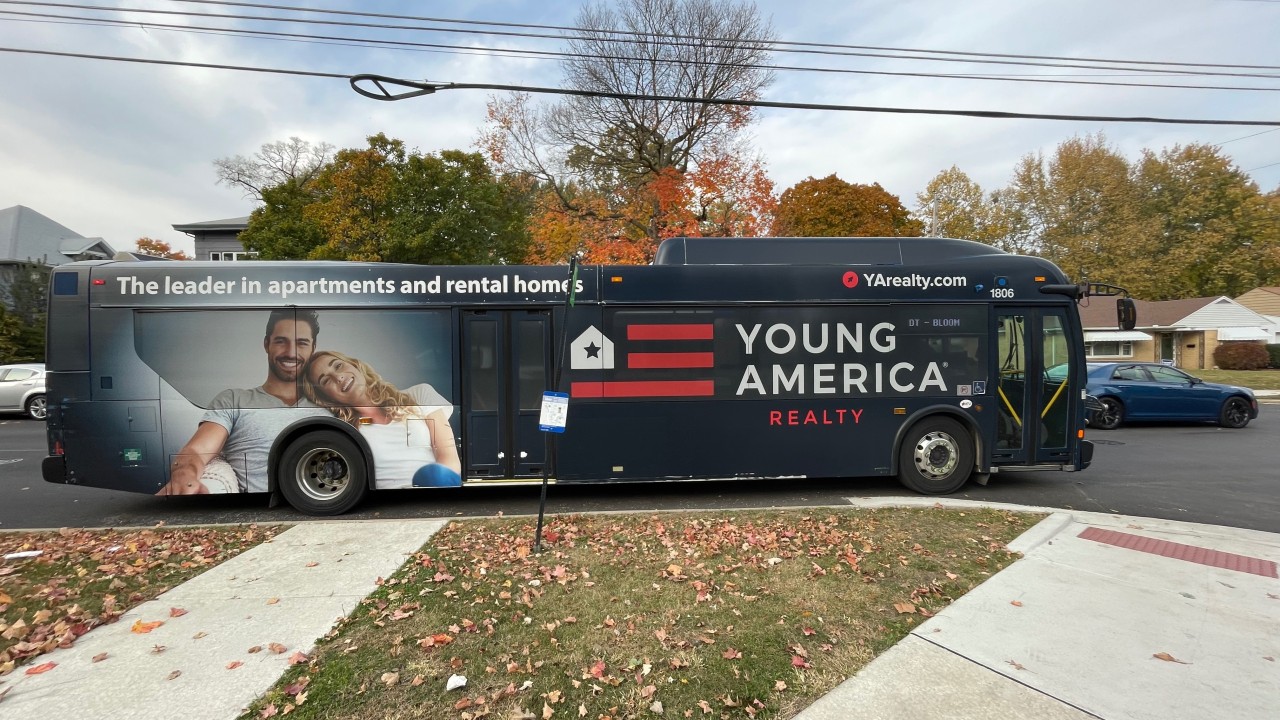
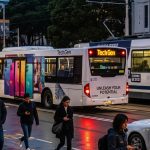
When you see a full bus wrap gliding through the Loop or turning heads in River North, you’re witnessing the pinnacle of “Large Format Printing.” It’s clean, it’s massive, and as the saying goes, when a brand rides this big through downtown, the only thing spreading is attention.
1. The Psychology of “Scale” in the Windy City
Chicago is a city of giants tall buildings, big shoulders, and even bigger dreams. To make an impact here, your brand needs to match that scale. A bus wrap isn’t just a sticker; it’s a 40-foot transformation.
There is a specific psychological weight that comes with a full vehicle wrap. When a consumer sees a brand physically dominating a CTA bus, they subconsciously categorize that business as an “authority.” It feels established. It feels like it belongs to the fabric of the city. In an era where digital ads are flicked away in half a second, the physical presence of a wrapped bus demands a different kind of respect. It’s hard to ignore a 12-ton endorsement of your product.
2. Hyper-Local Targeting (Without the Algorithm)
Digital marketers spend millions trying to “target” Chicagoans based on their search history. Bus advertising does it based on their literal footsteps.
By choosing specific routes whether they cut through the high-end retail of the Magnificent Mile or the trendy corridors of Wicker Park—brands can place themselves exactly where their customers live and work.
-
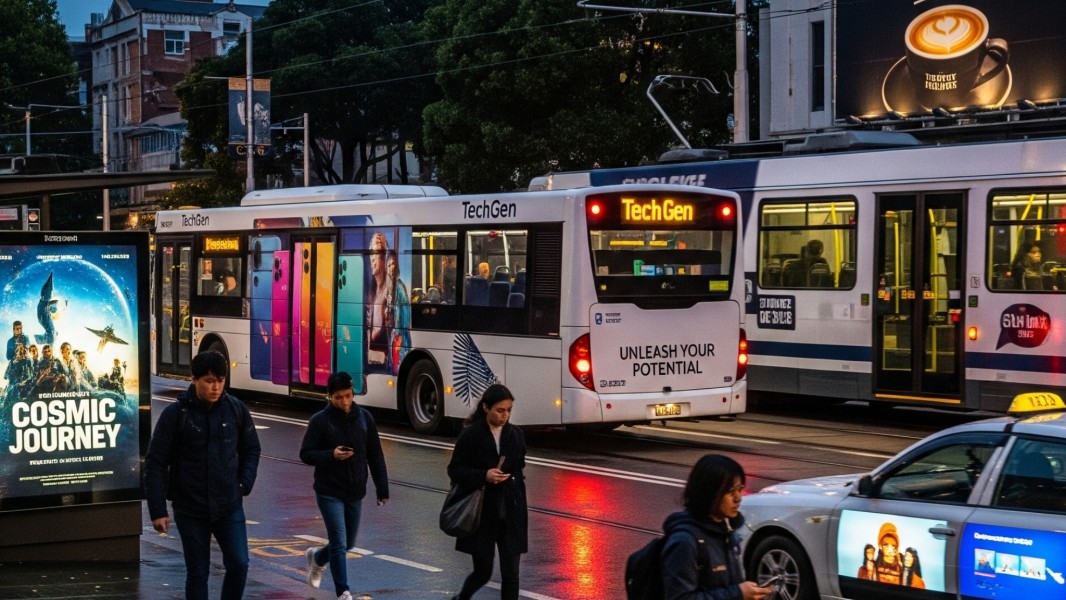
The “Commuter Effect”: You aren’t just reaching the people on the bus. You’re reaching the thousands of drivers stuck behind it on Lake Shore Drive and the pedestrians waiting at the crosswalk on Michigan Avenue.
-
Dwell Time: In downtown traffic, a bus becomes a static billboard for minutes at a time. This “captive audience” has nothing to do but absorb your message, your colors, and your call to action.
3. Precision Engineering: The Chicago Sign Advantage
The “big and clean” look mentioned in that LinkedIn post isn’t an accident. It’s the result of high-end Large Format Printing and expert installation. Chicago’s weather is legendary for being “hard” on outdoor media from the salt and slush of winter to the humid heat of July.
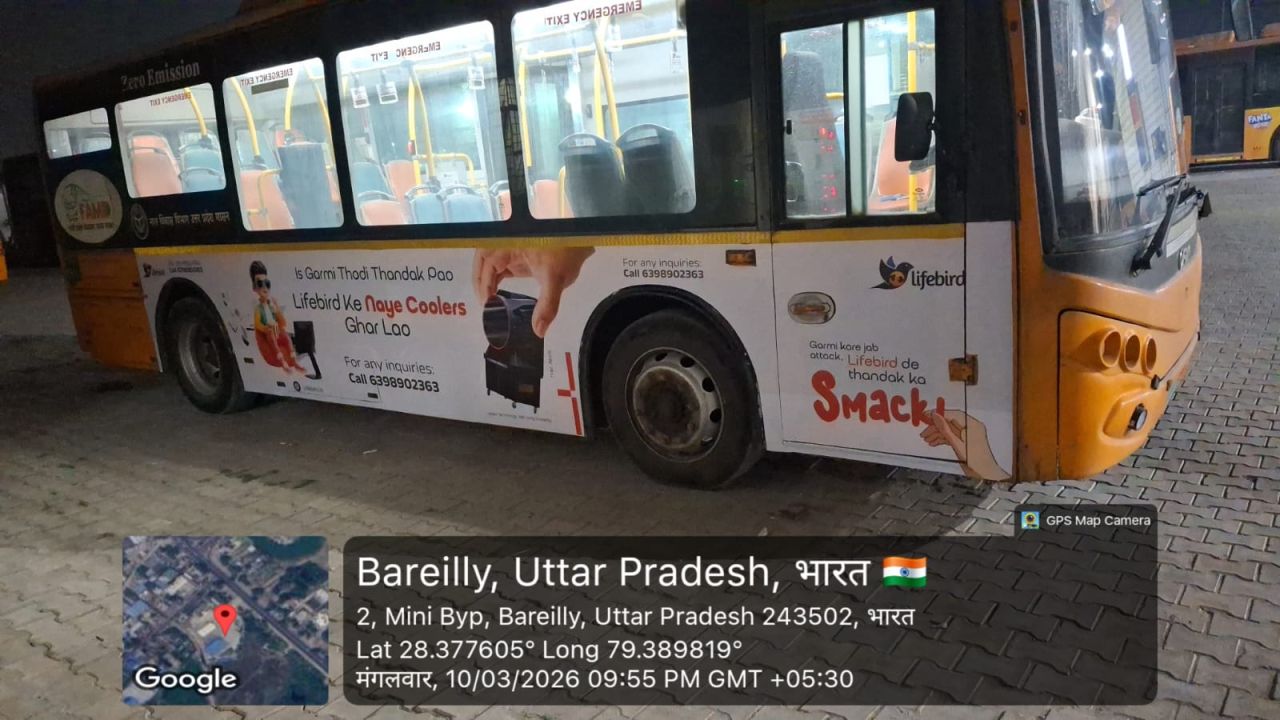
A professional bus wrap is a feat of engineering. It uses weather-resistant vinyl and UV-curable inks that ensure the colors stay vibrant despite the grit of the city. For a business, this is a “Fleet Graphic” investment that pays off every single hour it’s on the road. A messy, peeling ad is a liability; a crisp, high-resolution wrap is a moving promise of quality.
4. Turning “Transit” into “Social”
In 2026, the line between “Outdoor” and “Digital” has blurred. A truly great bus wrap is “Instagrammable.”
When a bus features a bold, creative design—perhaps one that uses the bus’s wheels or windows as part of the artwork people take pictures. They tag the brand. They share it on LinkedIn. Suddenly, your physical ad in downtown Chicago has a digital reach that spans the globe. This is the “Attention Spread” that every marketing manager dreams of.
Conclusion
Static signs have their place, but Chicago is a city in motion. If you want to be part of the conversation, you have to be where the people are. Bus advertising isn’t just about “getting lucky” with a few eyeballs; it’s about a consistent, high-frequency presence that turns your brand into a local household name.
The next time you’re in the Loop and a massive, vibrant bus rolls past, take a look at the people around you. They aren’t looking at their phones. They’re looking at the bus. That is the power of riding big.