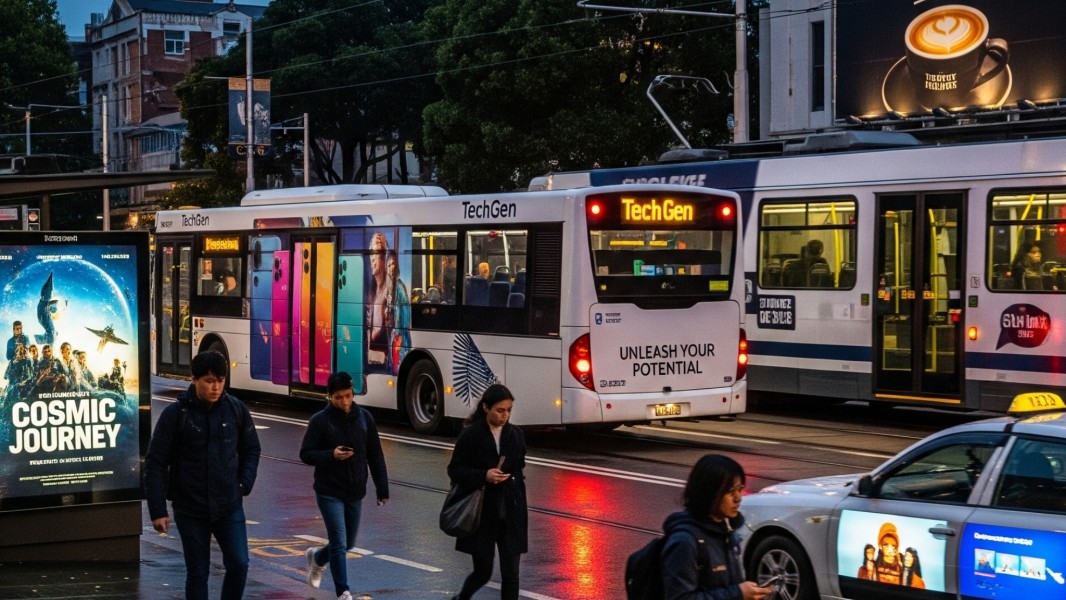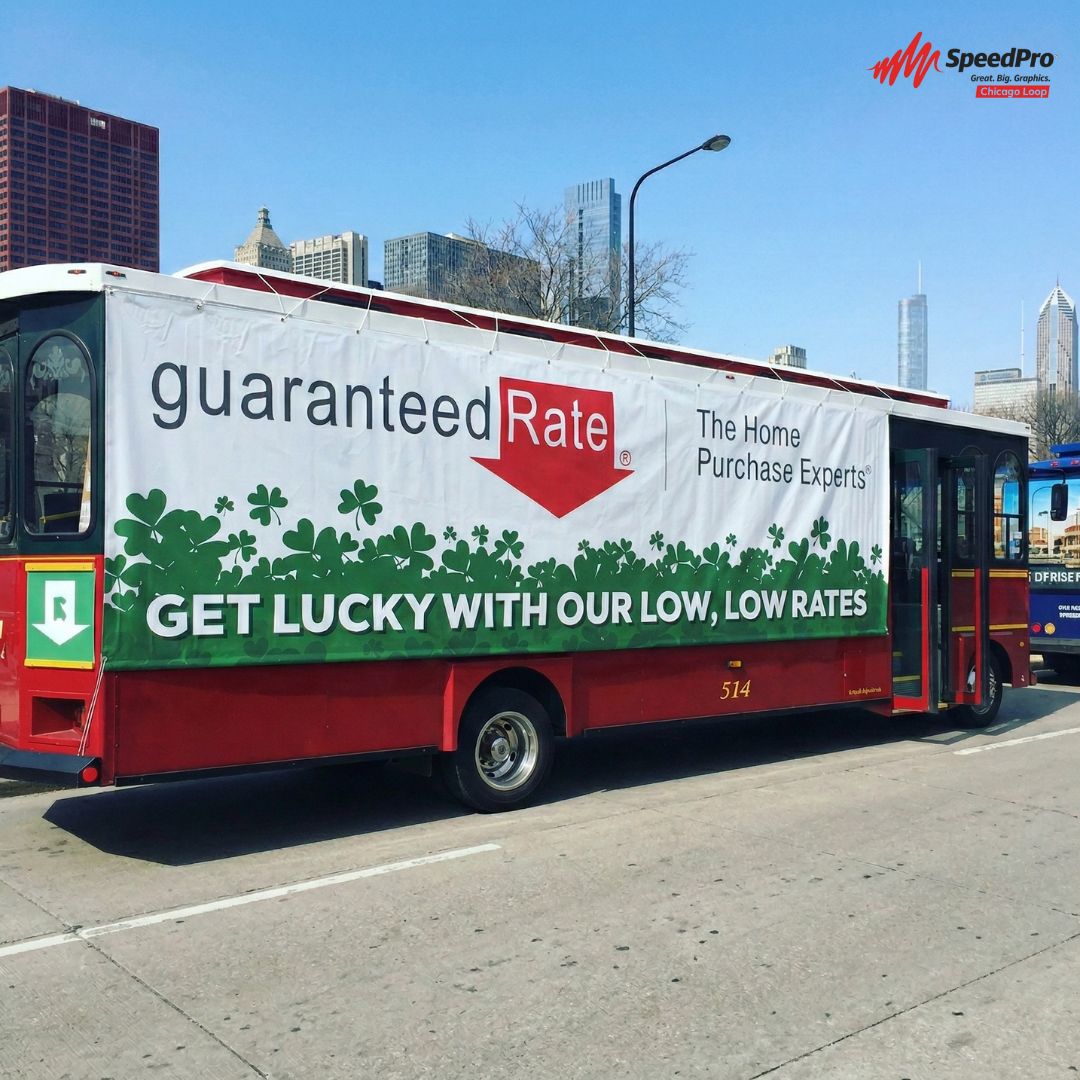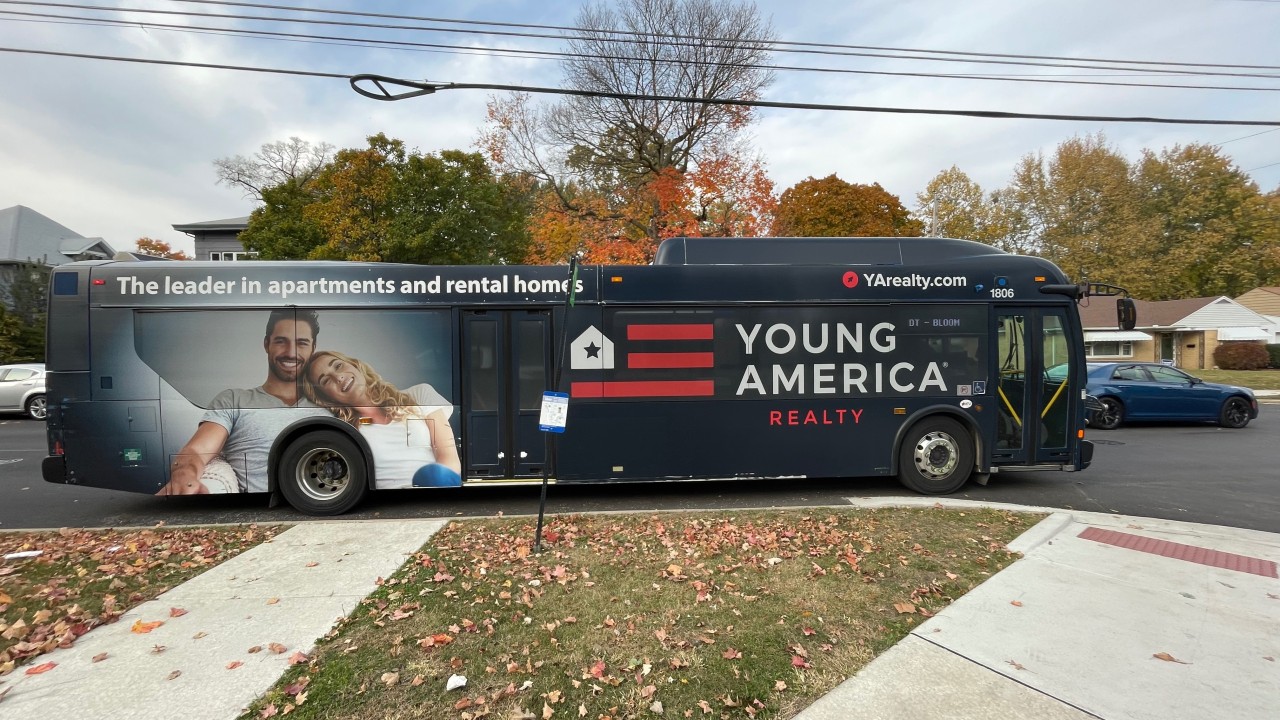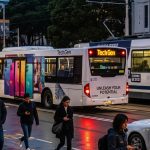


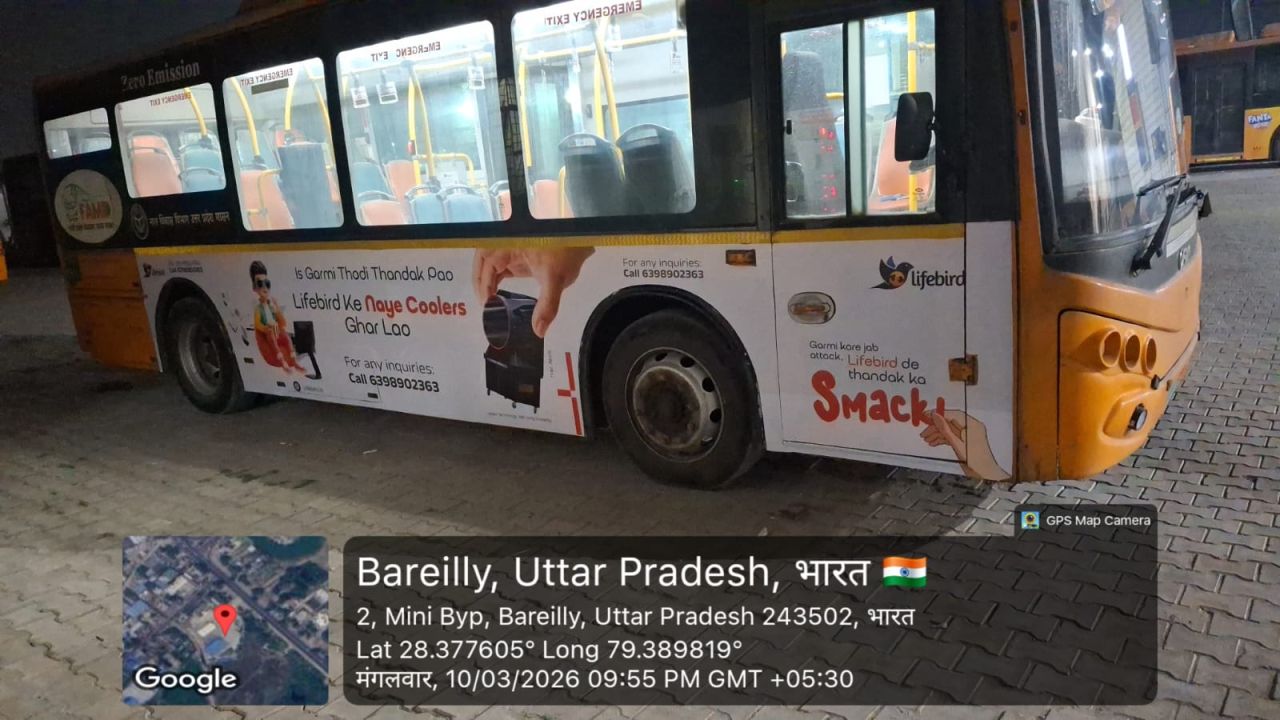
In the rapidly evolving landscape of Indian advertising, the “medium” is increasingly becoming as important as the “message.” On March 30, 2026, we are witnessing a significant shift in how brands communicate with urban audiences. The latest collaboration between CASHurDRIVE Marketing Ltd. and Lifebird an appliance brand known for quality and reliability serves as a masterclass in this evolution. By launching a high-impact transit media campaign on electric buses in Bareilly, these two entities are proving that the future of outdoor advertising isn’t just about being seen; it’s about being responsible.
1. The Rise of the “Green Billboard”
For decades, transit advertising was synonymous with vinyl wraps on diesel-belching buses. While effective for reach, it lacked a certain “soul” and alignment with modern ESG (Environmental, Social, and Governance) goals. In 2026, the narrative has changed.
The deployment of the Lifebird campaign on electric buses (e-buses) represents a convergence of eco-friendly mobility and impactful branding. When a brand like Lifebird which manufactures products for the home chooses an electric vehicle as its canvas, it sends a subtle but powerful message to the consumer: “We care about the environment you live in.” This “Association with Green Mobility” is no longer a niche strategy. As cities like Bareilly transition into “Smart Cities,” consumers are becoming more conscious. Advertising on zero-emission vehicles allows a brand to bypass the “ad-fatigue” of traditional billboards by positioning itself as a supporter of the city’s clean-air initiatives.
2. Why Bareilly? The Strategic Importance of Tier-2 Hubs
One of the most interesting aspects of this CASHurDRIVE campaign is the geographic choice. While Mumbai and Delhi are saturated with digital screens, Tier-2 cities like Bareilly offer a unique “share of voice” advantage.
Bareilly is a critical trade and transit hub in Uttar Pradesh. Its roads are high-traffic corridors where people spend a significant amount of time commuting between residential pockets and commercial centers. By leveraging the city’s new fleet of electric buses, CASHurDRIVE has ensured that Lifebird isn’t just standing on a street corner it’s moving through the veins of the city.
Transit media in such cities provides Strategic Route Coverage. These buses travel through the heart of the city, passing by local markets, schools, and government offices. For a brand like Lifebird, this means the message reaches the decision-makers of the household exactly where they live and work.
3. The Science of “Strong Recall” in Motion
Many marketers wonder: Does a moving ad actually work better than a static one? In the case of this campaign, the answer lies in the frequency of exposure.
CASHurDRIVE’s execution for Lifebird utilizes large-format creatives that are designed for quick, high-impact reading. Because these buses follow fixed, repetitive routes, a commuter might see the Lifebird ad three or four times a week. This repetition is the secret sauce of “Brand Recall.”
Unlike a digital ad on a smartphone that can be skipped in five seconds, a wrapped electric bus is a physical presence that cannot be ignored. It dominates the peripheral vision of pedestrians and drivers alike. When the creative execution is as sharp as the one seen in Bareilly, the bus stops being a vehicle and starts being a moving landmark.
4. Engineering the Creative: High-Frequency City-Wide Exposure
The technical execution by CASHurDRIVE Marketing Ltd. focuses on four pillars:
-
High-Frequency Exposure: The campaign isn’t limited to a single bus; it’s a fleet-wide deployment that ensures “city-wide saturation.”
-
Visual Dominance: Using the entire side and rear panels of the e-buses creates a “billboard on wheels” effect.
-
Sustainability Focus: By utilizing eco-friendly materials and inks for the wraps, CASHurDRIVE ensures the entire lifecycle of the ad is as green as the bus it sits on.
-
Route Optimization: The campaign targets high-traffic urban routes where dwell time is highest, maximizing the number of “eye-on-ad” minutes.
5. Moving Toward “Smarter” Advertising Ecosystems
As we look toward the remainder of 2026, the success of the Lifebird campaign in Bareilly provides a roadmap for other Indian brands. The transition of cities into smarter ecosystems means that advertising must also become “smarter.”
CASHurDRIVE Marketing Ltd. has been a pioneer in this space, moving beyond traditional transit and into the realm of tech-enabled, sustainable media. The integration of QR codes on these bus wraps often allows for a “Physical-to-Digital” bridge, where a curious commuter can scan a code at a bus stop and be taken directly to Lifebird’s product catalog. This makes the “unmeasurable” world of OOH (Out-of-Home) suddenly very data-rich.
Conclusion
The collaboration between CASHurDRIVE and Lifebird in Bareilly is more than just a media buy. It is a statement of intent. It shows that brands are ready to move away from intrusive, loud advertising and toward solutions that are meaningful, responsible, and future-forward.
As electric mobility continues to sweep across India’s urban landscapes, transit advertising will remain the most viable way for brands to achieve massive reach without adding to the visual or environmental clutter of our cities. At CASHurDRIVE Marketing Ltd., the commitment remains clear: to deliver innovative, high-impact, and sustainable advertising solutions that drive results for the brand and respect for the planet.