




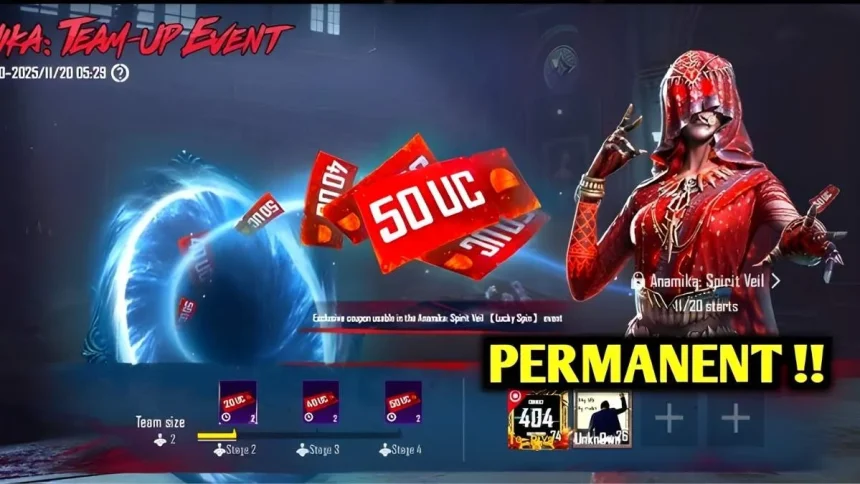
In an era where audiences scroll past ads in seconds, brands must work harder to earn attention. One advertising campaign that cracked this challenge was the viral launch of Anamika, the latest character from BGMI. Instead of following predictable gaming promotions, the campaign leaned into fear, curiosity, and realism. Conceptualised and executed by The Big Dumb Project, the #HauntedBrideSpotted campaign transformed a character reveal into a city-wide urban legend.
By blurring the line between fiction and reality, the campaign didn’t just introduce a character—it created a cultural moment that Gen Z and millennials couldn’t ignore.
Turning a Game Character into a Viral Urban Legend
The campaign revolved around Anamika, portrayed as a ghostly bride dressed in red. Instead of announcing her arrival through trailers or influencer posts, the agency chose a more unsettling route. Grainy videos began surfacing online, apparently shot by everyday people, showing a mysterious woman roaming Mumbai streets late at night.
Because these clips felt raw and unpolished, they didn’t resemble branded content. As a result, viewers questioned their authenticity, shared them in WhatsApp groups, and speculated across social media platforms.
Why the Campaign Felt Real and Not Scripted
One of the biggest strengths of this activation was its commitment to realism. The Big Dumb Project recreated Anamika’s costume with extreme attention to detail. They then worked with a professional cosplayer and filmed content overnight, using natural lighting and shaky camera movements.
Moreover, the videos avoided logos, hashtags, or obvious brand markers. Consequently, the internet did what it does best—it amplified the mystery. Local gossip pages, meme accounts, and even small news segments discussed the sightings, giving the campaign organic momentum.
From Social Media Buzz to Mainstream Conversation
As speculation grew, the campaign crossed platforms. Instagram Reels, X (Twitter), and YouTube Shorts carried different versions of the sightings. Meanwhile, some digital news portals picked up the story, treating it like a genuine city curiosity.
Eventually, when BGMI revealed that the haunted bride was actually Anamika, the internet erupted again—this time in admiration. Instead of backlash, the brand received praise for pulling off a bold, immersive launch. The campaign reportedly clocked over 100 million views, proving that unconventional storytelling still wins.
Why This Campaign Clicked with Gen Z Audiences
Gen Z consumers are highly ad-aware. They dislike forced promotions but love participatory content. This campaign respected that mindset. Rather than telling audiences what to think, it invited them to speculate, react, and participate.
Additionally, horror and mystery content naturally drive engagement. Since people enjoy sharing creepy sightings and theories, the campaign benefited from built-in virality. As a result, BGMI achieved massive reach without relying on repetitive paid promotions.
Key Marketing Takeaways for Brands and Agencies
This campaign offers several lessons for modern marketers:
-
Authenticity beats polish: Raw visuals often feel more trustworthy than high-production ads.
-
Story-first launches work better: Characters introduced through narratives feel more memorable.
-
Platform-native content matters: The campaign matched how users naturally consume content online.
-
Controlled mystery drives engagement: Delayed brand reveals can amplify curiosity when done right.
Therefore, brands looking to connect with younger audiences should focus on experiences rather than announcements.
Conclusion: Fear, Fiction, and Fame Done Right
The #HauntedBrideSpotted campaign shows how bold creativity can cut through digital noise. By turning a character launch into a real-world mystery, BGMI and The Big Dumb Project redefined how gaming IPs can be introduced. Ultimately, the campaign didn’t just scare the internet—it impressed it.