




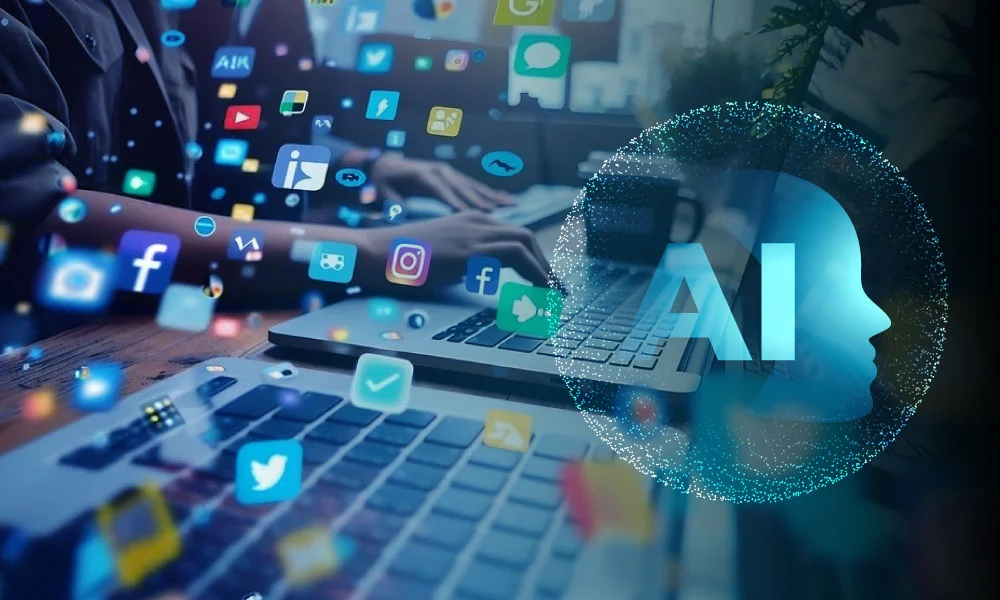
AI-Driven Consumer Intent Tools Reshaping Digital Media Planning in 2026 marks a decisive shift in how brands understand, target, and influence audiences. Traditional media planning relied heavily on demographics, past performance, and broad behavioural assumptions. However, in 2026, the focus has moved toward real-time intent signals powered by artificial intelligence.
Instead of asking who the consumer is, marketers now prioritise what the consumer is about to do. This evolution is redefining planning accuracy, budget efficiency, and outcome predictability across digital media ecosystems.
What Are AI-Driven Consumer Intent Tools?
Understanding Intent Beyond Clicks and Cookies
AI-driven intent tools analyse a combination of:
-
Search behaviour
-
Content consumption patterns
-
App usage signals
-
Contextual triggers
-
Purchase-adjacent actions
Using machine learning models, these tools predict near-future consumer actions, not just past behaviour. As a result, media planners can target users at the most decisive moments of the buyer journey.
Why 2026 Is a Turning Point for Media Planning
Decline of Third-Party Cookies
With cookie deprecation and stricter privacy regulations, intent-based AI tools have become essential. They rely on first-party data, contextual intelligence, and predictive modelling, rather than invasive tracking.
Explosion of Signal-Rich Digital Touchpoints
Consumers now interact across:
-
OTT platforms
-
Marketplaces
-
Social commerce
-
Fintech apps
-
Voice and AI assistants
Therefore, AI is necessary to process these fragmented signals into actionable intent clusters for planners.
How AI Intent Tools Are Changing Digital Media Planning
Smarter Audience Segmentation
Instead of static segments, planners now work with dynamic intent cohorts such as:
-
“Likely to upgrade smartphone in 7 days”
-
“Comparing home loans actively”
-
“High probability travel planners”
This precision allows media budgets to be deployed only where conversion probability is highest.
Predictive Media Allocation
AI tools forecast:
-
Which platforms will perform best
-
When intent peaks will occur
-
Which creatives will resonate
As a result, media planning in 2026 is predictive first, reactive later.
Real-Time Planning vs Fixed Media Plans
Continuous Optimisation Loops
Traditional quarterly media plans are being replaced by always-on, AI-optimised planning models. Campaigns now adjust in near real time based on:
-
Shifts in consumer intent
-
Market demand signals
-
Competitive activity
This agility significantly reduces wasted impressions and improves ROI.
Key Areas Where Intent AI Delivers the Biggest Impact
Performance Marketing and Programmatic Buying
AI-driven intent tools integrate directly with programmatic platforms, ensuring bids are placed only when purchase intent is detected, not just when impressions are available.
E-commerce and Marketplace Advertising
Retail media networks use AI intent scoring to prioritise:
-
High-conversion users
-
In-market shoppers
-
Category-switching consumers
Thus, brands reach consumers just before the purchase decision.
B2B and High-Consideration Categories
In categories like finance, education, and SaaS, intent tools identify research-stage signals, helping brands influence decisions early in the funnel.
How Media Planning Roles Are Evolving
From Media Buyers to Intent Strategists
In 2026, planners are expected to:
-
Interpret AI-generated intent dashboards
-
Align creative messaging with intent stages
-
Collaborate with data science teams
Therefore, the role is becoming more strategic and less execution-heavy.
Human Judgment Still Matters
While AI suggests optimal paths, human planners decide:
-
Brand safety thresholds
-
Contextual relevance
-
Long-term brand goals
The future belongs to human + AI collaboration, not automation alone.
Challenges in Using AI-Driven Intent Tools
Data Quality and Bias
AI models are only as good as the data they ingest. Poor-quality or biased data can distort intent predictions if not carefully monitored.
Over-Reliance on Short-Term Signals
Chasing only high-intent users can sometimes limit brand discovery. Therefore, planners must balance intent activation with brand-building efforts.
Why Brands Adopting Intent AI Are Gaining an Edge
Brands using AI-driven consumer intent tools reshaping digital media planning in 2026 benefit from:
-
Lower acquisition costs
-
Faster decision cycles
-
Higher conversion efficiency
-
Better customer experience
Moreover, these tools help brands stay relevant in a cluttered, privacy-first digital landscape.
The Road Ahead: What Media Planning Will Look Like Next
Looking forward, intent AI will expand into:
-
Cross-device intent unification
-
Voice and visual search signals
-
Predictive lifetime value planning
-
Integration with offline media triggers
As a result, media planning will become anticipatory rather than responsive.
Conclusion
AI-Driven Consumer Intent Tools Reshaping Digital Media Planning in 2026 represent a fundamental shift from broad targeting to precise, moment-based engagement. By predicting what consumers want before they act, AI is transforming media planning into a smarter, faster, and more accountable discipline.
For brands and agencies, the message is clear: the future of media planning belongs to those who master intent intelligence—not just impressions and reach.