




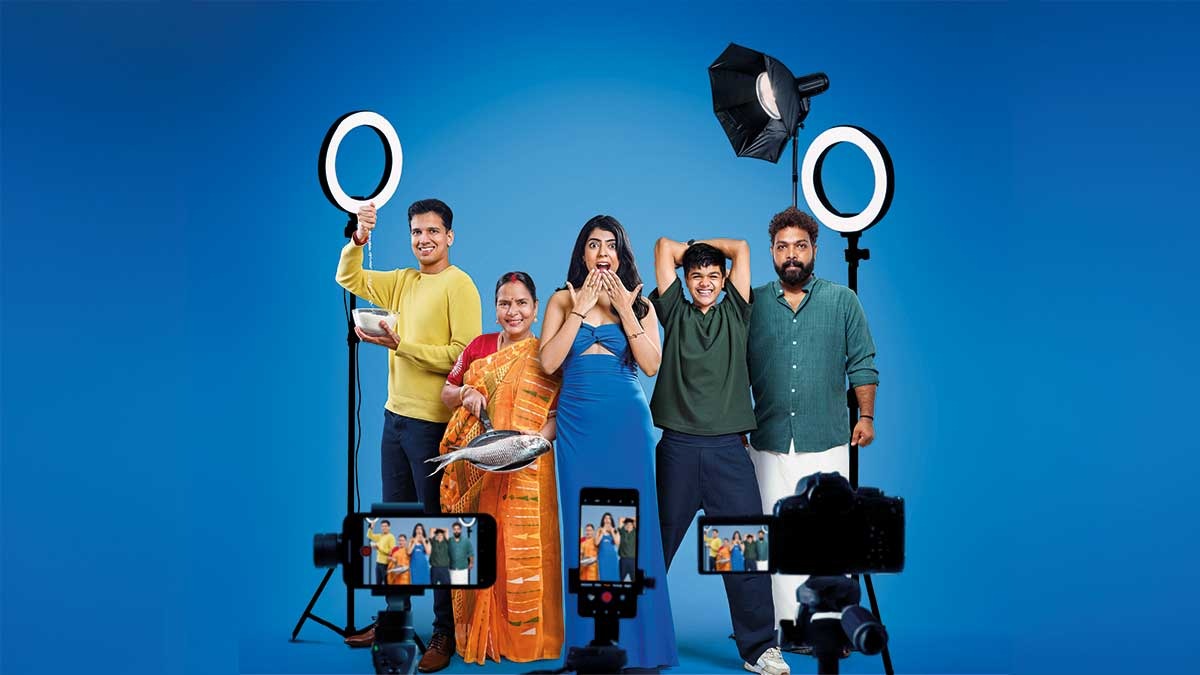
As influencer marketing enters 2026, the creator economy finds itself facing a defining paradox. India has more creators than ever before, yet brands and audiences have become increasingly selective about who they trust. While the supply of influencers continues to grow across platforms, tolerance for surface-level influence is shrinking rapidly.
This shift signals an important transition. What was once an experimental, creator-led ecosystem is now moving towards structure, accountability, and long-term value creation.
The Explosion of Creators and the Trust Deficit
India’s creator ecosystem has scaled at an unprecedented pace. Short-form video platforms, live commerce, and regional-language content have lowered entry barriers, enabling millions to become creators overnight.
However, this abundance has created fatigue. Audiences are quick to spot inauthentic endorsements, repetitive formats, and transactional collaborations. As a result, follower count alone no longer guarantees influence. Trust, consistency, and subject-matter credibility are becoming the new currencies.
Why Brands Are Rethinking Influencer Marketing
Brands entering 2026 are far more outcome-driven than before. Instead of chasing vanity metrics, marketers are prioritising relevance, audience alignment, and measurable impact.
Moreover, procurement and legal teams are now deeply involved in creator partnerships. This has led to clearer contracts, defined deliverables, and performance-linked payouts. Consequently, influencer marketing is beginning to resemble other formal media channels rather than remaining an informal add-on.
From Casual Creators to Professional IP Builders
One major sign of formalisation is the rise of creators as IP owners. Rather than relying solely on brand deals, many creators are building recurring formats, communities, and even product lines.
This shift benefits both sides. Creators gain predictable income streams, while brands benefit from deeper integrations that go beyond one-off posts. Over time, these partnerships drive stronger recall and higher audience trust.
Platforms Pushing Structure and Accountability
Social media platforms are also playing a role in formalising the ecosystem. Improved analytics dashboards, branded content disclosures, and monetisation tools are encouraging transparency.
In addition, algorithmic preference for consistent, high-quality content is weeding out low-effort creators. As a result, only those who treat content creation as a long-term profession are likely to sustain growth.
The Rise of Niche and Regional Creators
While mega-influencers face saturation, niche and regional creators are gaining prominence. Audiences are more likely to trust creators who reflect their language, culture, and lived experiences.
For brands, this presents an opportunity to build hyper-targeted campaigns at scale. However, it also requires better creator discovery tools, structured onboarding, and standardised pricing—further pushing the ecosystem towards formalisation.
Measurement Will Decide the Future
One of the biggest drivers of formalisation will be measurement. In 2026, brands are increasingly demanding clear attribution—whether through engagement quality, conversions, or brand lift studies.
Creators who can demonstrate repeatable performance will command premium value. Those unable to move beyond superficial reach metrics may struggle to stay relevant.
What 2026 Could Mean for the Creator Economy
By 2026, the creator economy is unlikely to shrink—but it will consolidate. Fewer creators will command larger, more consistent opportunities, while many casual influencers may fade out.
Ultimately, the ecosystem is evolving from popularity-led influence to performance-led credibility. This transition, while challenging, could make influencer marketing more sustainable, transparent, and impactful.
Conclusion: From Influence to Institution
The question is no longer whether the creator economy will survive—but how it will mature. As brands demand accountability and audiences demand authenticity, 2026 may well be the year influencer marketing becomes fully institutionalised.
For creators willing to professionalise, build trust, and think long-term, the next phase offers enormous potential. For everyone else, the era of easy influence is coming to an end.