
India’s advertising market is expected to witness modest, digital-led growth in 2026, following a muted 2025 marked by budget caution, regulatory uncertainty, and slower expansion in traditional media sectors.
Industry analysts project low single-digit growth, with most gains coming from digital and performance marketing. Meanwhile, television, print, and outdoor are likely to remain subdued, pressured by changing consumption patterns and advertiser priorities.
Muted 2025 Sets the Tone for a Measured 2026
The Indian advertising industry entered 2025 with high expectations after a strong post-pandemic recovery. However, those hopes gave way to a more cautious market. Inflation concerns, funding slowdowns, and shifting consumer confidence all led brands to tighten ad spending.
According to industry insiders, advertising expenditure (AdEx) in 2025 grew only marginally, driven mainly by e-commerce, fintech, and FMCG brands maintaining essential campaigns. Sectors like auto, real estate, and retail saw smaller budgets and delayed launches.
The slowdown has set the stage for a gradual recovery in 2026, led primarily by digital platforms.
Digital Continues to Lead India’s Ad Growth
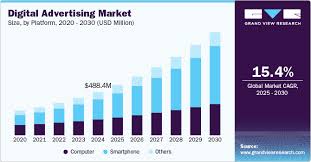
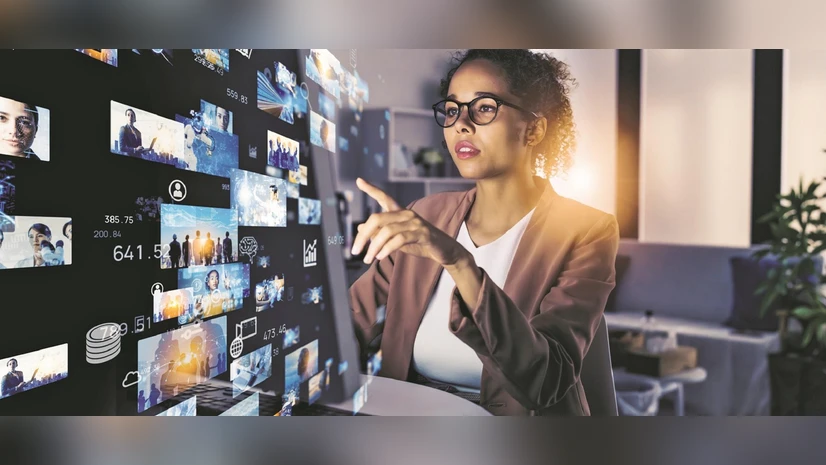
Even as total advertising growth remains soft, digital advertising is expected to remain India’s strongest growth engine in 2026.
Industry estimates suggest that digital could contribute over 50% of total AdEx, a first for India’s advertising ecosystem. Spending on search, social, short-form video, influencer collaborations, and OTT platforms will continue to dominate marketing strategies.
Moreover, brands are expected to focus on performance-based models, where ad spending directly links to conversions and measurable outcomes.
“The shift from awareness to accountability is permanent,” said a senior marketing consultant. “Every rupee spent now has to show performance — and digital delivers that better than any other medium.”
Regulatory Changes: The RMG Ban and Its Ripple Effect
One of the biggest shake-ups in the 2025 advertising year was the government’s ban on real money gaming (RMG) advertising across major digital platforms.
The decision, aimed at protecting consumers and curbing addiction-related issues, removed one of India’s fastest-growing ad categories from the market.
The ban significantly impacted digital publishers, YouTube channels, OTT platforms, and influencer income, particularly those dependent on gaming partnerships.
Analysts believe that the RMG vacuum could take six to eight months to fill, as new categories like health tech, edtech 2.0, and sustainability-focused startups slowly take over digital inventory.
“RMG used to contribute nearly 8–10% of India’s digital ad volume,” said a media agency head. “Replacing that in 2026 will be tough.”
Traditional Media Faces Structural Challenges
Traditional media, particularly television and print, is expected to continue facing challenges in 2026.
TV viewership has fragmented further, with connected TV (CTV) and OTT taking away younger audiences. Meanwhile, print continues to fight declining circulation in metros, relying mostly on tier-II and tier-III markets for revenue stability.
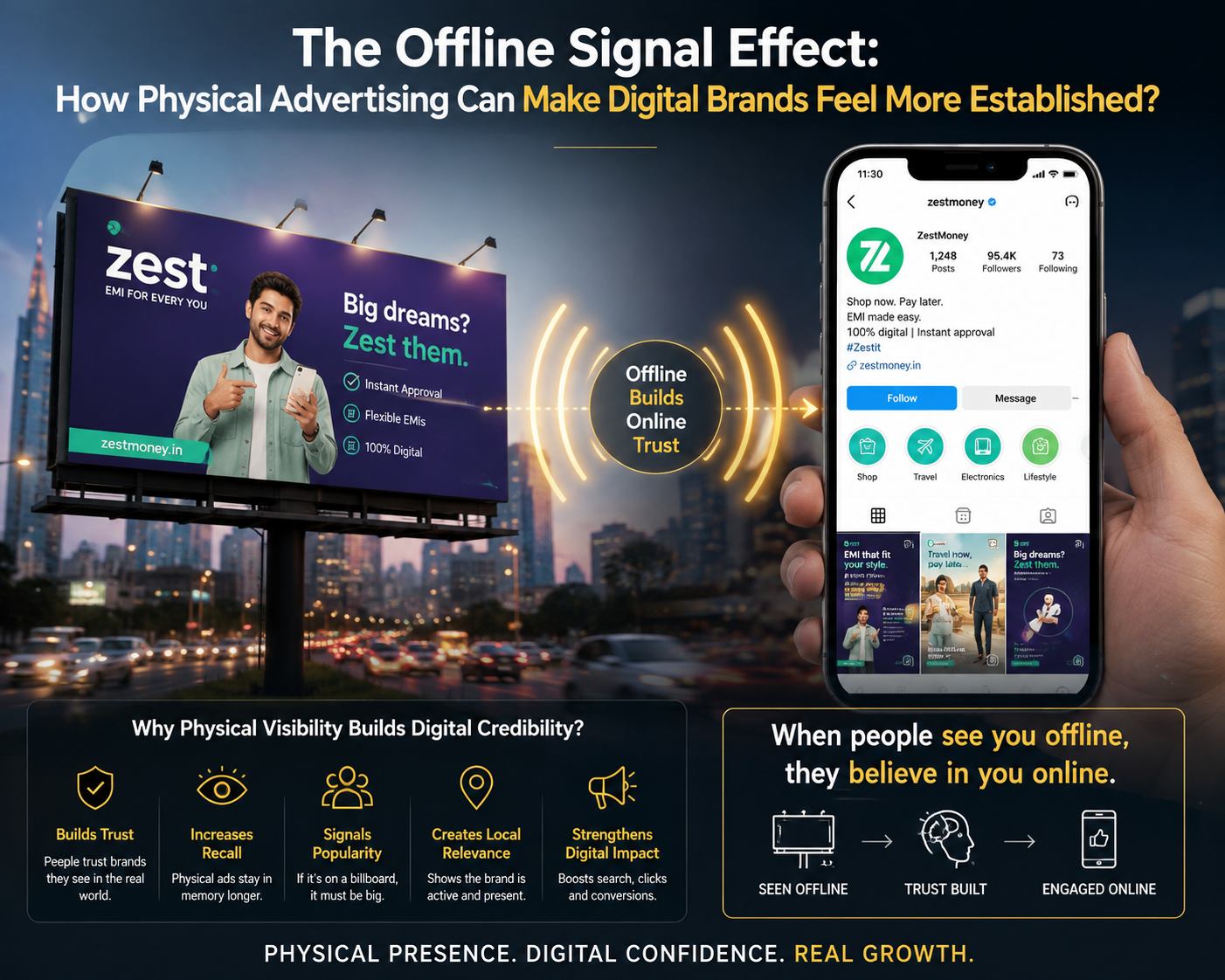
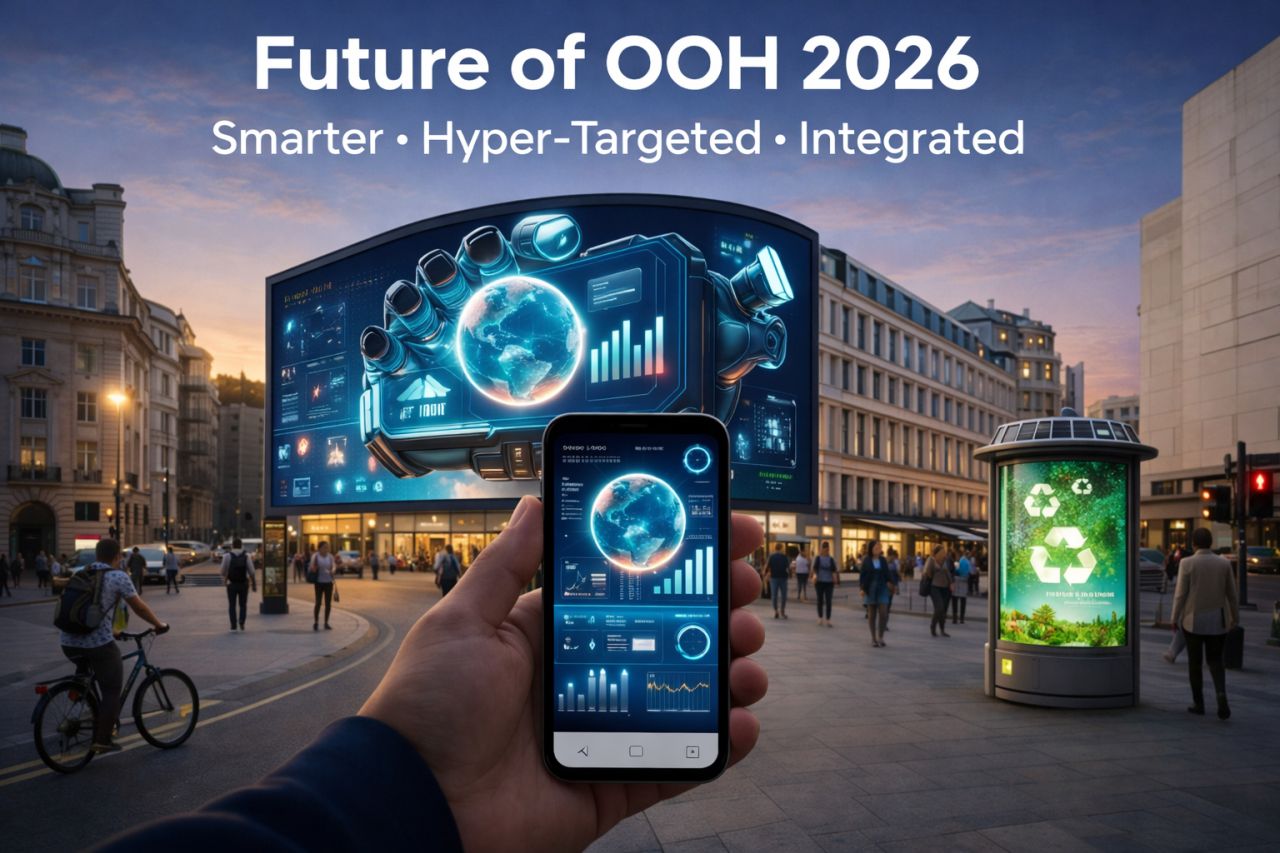
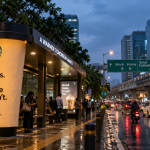
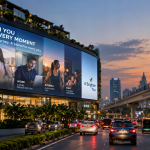
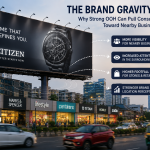
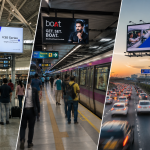
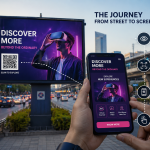
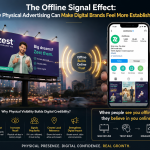
Outdoor advertising, however, may see a moderate rebound, driven by infrastructure expansion and renewed interest in digital out-of-home (DOOH) formats.
Still, the overall picture remains uneven. “Advertisers are focusing on reach efficiency, not just reach,” explained an OOH planner. “If traditional media doesn’t innovate, budgets will keep shifting to digital.”
AI, Automation, and Media Consolidation Take Center Stage
Another key driver for 2026 will be the integration of AI and automation in media buying and campaign optimization.
Holding companies are increasingly investing in AI-driven planning tools, automated content production, and predictive analytics. This shift is expected to improve targeting precision and reduce waste in media budgets.
Additionally, the ongoing agency consolidation following Omnicom’s structural overhaul and IPG integration could reshape India’s agency landscape, pushing networks toward media-led, technology-first models.
What to Expect in 2026
While India’s advertising market remains resilient, growth will likely be slow and digital-dependent. Economic headwinds and regulatory transitions will shape the year ahead.
Key takeaways for 2026 include:
-
Digital ad spending to cross 50% of total AdEx.
-
Performance marketing, influencer content, and e-commerce ads to dominate.
-
Traditional media to remain flat or decline slightly.
-
AI-driven automation to redefine media planning and creativity.
-
Sustained caution in budgets due to the after-effects of the RMG ban.
Despite short-term uncertainty, experts agree that India’s advertising ecosystem remains structurally strong, with digital literacy, smartphone penetration, and creator-led storytelling continuing to fuel innovation.
Conclusion
India’s advertising industry stands at a moment of reset. The next year will not be defined by scale but by strategy and smart execution.
As 2026 approaches, digital will remain the core driver — not just for growth, but for resilience. While traditional media battles structural shifts, digital-first brands and creators will shape the new advertising narrative — faster, sharper, and more accountable than ever before.