





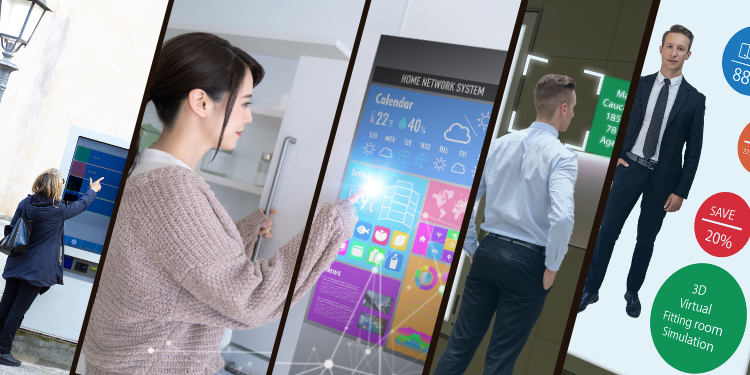
Urban consumers today live in constant motion. From metro platforms and office elevators to mobile screens and digital billboards, their exposure to information occurs in rapid, fragmented intervals. These brief interaction windows—often lasting only a few seconds—have given rise to a powerful marketing approach known as micro-moments marketing.
As cities become denser and consumer attention continues to shrink, brands must communicate instantly, contextually, and meaningfully. Consequently, micro-moments marketing has emerged as a strategic response to high-frequency urban environments where every second matters.
This shift is redefining how brands plan media, design creatives, and measure engagement.
Understanding Micro-Moments in Urban Consumer Journeys
Micro-moments occur when consumers instinctively turn to a device, screen, or nearby media touchpoint to act on a need. These moments are intent-driven and time-sensitive.
Typically, they fall into four categories:
-
I want to know
-
I want to go
-
I want to do
-
I want to buy
In urban settings, such moments happen repeatedly throughout the day. Therefore, brands that appear at the right place and time gain a significant advantage.
Why High-Frequency Urban Environments Accelerate Micro-Moments
Cities generate constant movement and decision-making. Commuters walk, wait, travel, browse, and consume content simultaneously. As a result, attention is divided but frequent.
High-frequency environments include:
-
Metro stations and transit corridors
-
Airports and arrival zones
-
Business districts and tech parks
-
Malls, food courts, and high-street zones
-
Ride-hailing and mobility touchpoints
Because consumers pass through these zones daily, brands can influence decisions through repeated short exposures rather than long-form messaging.
The Shift From Long Campaigns to Instant Relevance
Traditional advertising relied on extended storytelling and repeated explanation. However, micro-moments demand immediate relevance.
Brands now prioritize:
-
One clear message per exposure
-
Visual-first communication
-
Location-aware messaging
-
Time-specific creatives
Instead of persuading slowly, marketers focus on being useful or memorable in that exact moment.
This strategic shift allows brands to integrate naturally into daily routines.
Micro-Moments Marketing Strategies Used by Modern Brands
1. Contextual Location-Based Communication
Brands tailor messages based on where the consumer is physically present. For example, transit advertising focuses on speed, convenience, or routine-driven needs.
Because relevance increases engagement, location-specific communication significantly improves recall.
2. Visual Simplicity and Message Compression
In high-frequency urban zones, consumers glance rather than observe. Therefore, brands compress communication into short headlines, bold colors, and intuitive visuals.
Minimal text combined with strong imagery enables instant comprehension, even during movement.
3. Time-Sensitive Creative Rotation
Micro-moments vary by time of day. Morning commuters think differently than evening travelers.
Hence, brands rotate creatives based on:
-
Morning productivity
-
Lunch breaks
-
Evening leisure
-
Weekend consumption
This time-based alignment enhances message resonance without increasing media clutter.
4. Integration Across Physical and Digital Touchpoints
Successful micro-moments marketing blends offline and online exposure. Outdoor ads trigger awareness, while mobile and digital platforms reinforce action.
For example, a commuter may notice a DOOH ad and later search for the same brand on their phone. This connected experience strengthens conversion potential.
The Role of Repetition in Micro-Moment Influence
Although attention duration is short, exposure frequency is high. Therefore, consistent repetition across daily routes builds subconscious familiarity.
Repeated micro-exposures improve:
-
Brand recall
-
Visual memory
-
Trust perception
-
Purchase consideration
Rather than forcing engagement, brands allow familiarity to accumulate organically.
Measuring Performance in Micro-Moments Marketing
Traditional engagement metrics alone do not capture micro-moment effectiveness. Instead, brands evaluate:
-
Recall lift
-
Footfall influence
-
Search intent increase
-
Exposure frequency impact
Success is measured by influence over time rather than immediate response.
This performance model aligns better with urban consumer behavior.
Why Micro-Moments Marketing Will Continue to Grow
Urbanization, mobility, and digital integration are increasing rapidly. As consumer journeys become more fragmented, micro-moments will dominate decision-making.
Brands that adapt early benefit from:
-
Lower attention resistance
-
Higher contextual relevance
-
Stronger brand presence
-
Improved omnichannel continuity
Ultimately, marketing success in cities will depend on owning moments, not minutes.
Conclusion
The rise of micro-moments marketing reflects a fundamental change in how consumers interact with brands in high-frequency urban environments. Attention may be brief, but opportunities are abundant.
By focusing on relevance, simplicity, and contextual timing, brands can convert fleeting interactions into lasting brand value. As urban ecosystems grow more dynamic, micro-moments will define the future of communication strategy.
Brands that master these moments will remain visible—even when attention is scarce.