




The marketing world is evolving faster than ever. What once took days of brainstorming, design, and data crunching can now happen in minutes — thanks to Generative AI.
From crafting personalized ad copy to building campaign visuals and analyzing audience behavior, AI-powered tools are becoming the creative partners every marketer needs.
In 2025, brands aren’t just experimenting with AI — they’re using it to automate content, scale personalization, and unlock creative insights that were once unimaginable.
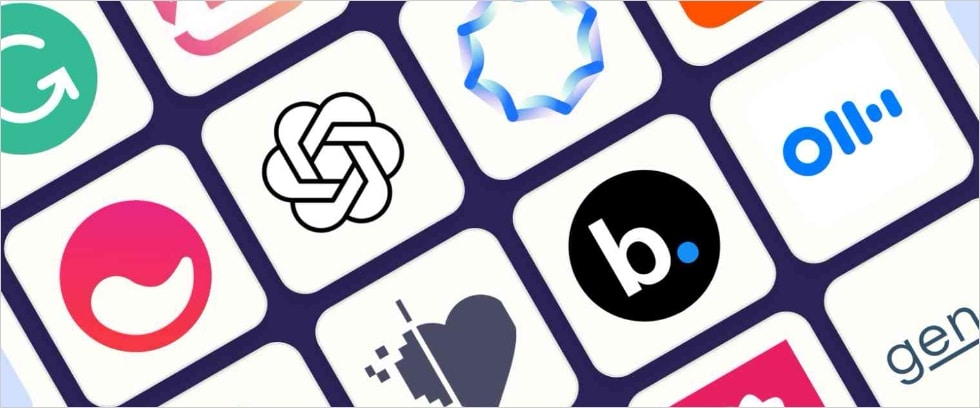
Here’s a look at the top generative AI tools every marketer should use right now, along with real-world use cases that prove how AI is reshaping marketing efficiency and creativity.
Why Generative AI Matters for Marketers
Generative AI refers to tools and technologies that can generate new content, insights, or designs using prompts, data, and machine learning.
Unlike traditional automation, generative AI thinks creatively — producing text, visuals, audio, and even strategy ideas.
For marketers, this means:
-
Faster content creation across formats.
-
Smarter audience segmentation and personalization.
-
Scalable creative testing and optimization.
-
Greater ROI through data-backed insights.
In short, generative AI bridges the gap between creativity and computation — enabling marketers to focus on strategy and storytelling, while AI handles the heavy lifting.
1. ChatGPT – For Copywriting, Ideation & Strategy
What It Does:
ChatGPT, developed by OpenAI, is a conversational AI tool that helps marketers generate ideas, write copy, draft blogs, and create marketing plans in seconds.
It can adapt tone, format, and intent — whether you need a playful Instagram caption or a professional email pitch.
Use Cases:
-
Writing ad copy, headlines, and product descriptions.
-
Drafting campaign strategies and creative briefs.
-
Creating FAQ or chatbot scripts for customer support.
-
Personalizing outreach based on customer segments.
Pro Tip:
Use ChatGPT with structured prompts like “Write a 100-word Instagram post for a sustainable fashion brand targeting Gen Z” to get tailored, high-quality results.
2. Jasper AI – For Brand-Safe Marketing Content
What It Does:
Jasper AI is built specifically for marketing teams that need consistent brand voice and messaging across channels.
It integrates with CRM, social platforms, and CMS tools, ensuring every piece of content aligns with your tone, compliance, and brand story.
Use Cases:
-
Generating website copy and product descriptions at scale.
-
Repurposing blogs into emails, ads, or LinkedIn posts.
-
Maintaining tone consistency across global teams.
-
Streamlining approval workflows with AI writing assistants.
Why Marketers Love It:
Jasper’s “Brand Voice” feature helps large marketing teams retain personality while automating repetitive tasks — saving time without losing authenticity.
3. Midjourney – For Visual Campaign Design
What It Does:
Midjourney is a generative AI image creation tool that transforms text prompts into stunning visuals — ideal for creative brainstorming, campaign mockups, and ad visuals.
Marketers can use it to visualize ideas before investing in production or A/B test visual directions faster.
Use Cases:
-
Creating OOH mockups, banner ads, or key visuals.
-
Designing product packaging or campaign art.
-
Generating mood boards for client pitches.
-
Crafting hyperrealistic visuals for social campaigns.
Example Prompt:
“Generate a futuristic outdoor ad visual for an electric car brand in Mumbai during monsoon season.”
Why It Works:
Midjourney bridges imagination and execution — empowering marketers to experiment visually without design bottlenecks.
4. Synthesia – For AI Video Creation
What It Does:
Synthesia allows marketers to create studio-quality videos using AI avatars and voiceovers, eliminating the need for cameras, actors, or editors.
It’s ideal for multilingual or regional campaigns where localization matters.
Use Cases:
-
Product explainer videos in multiple languages.
-
Internal marketing updates or brand tutorials.
-
Personalized video ads using AI avatars.
-
Training content for sales and field teams.
Impact:
A 3-minute professional video that once took ₹50,000 and a week can now be created in under an hour with AI — saving both time and cost.
5. Canva Magic Studio – For Everyday Marketing Creatives
What It Does:
Canva’s AI suite, Magic Studio, is a marketer’s dream toolkit. It helps create presentations, social posts, ads, and videos with automated design suggestions and copy prompts.
Use Cases:
-
Generating ready-to-post social content from text prompts.
-
Resizing and repurposing creatives for multiple platforms.
-
Brainstorming color palettes, ad templates, and visual hierarchy.
Why It’s Useful:
Magic Studio democratizes design — allowing non-designers to produce on-brand, high-quality creatives in minutes.
6. Runway ML – For AI-Powered Video Editing
What It Does:
Runway ML helps marketers edit, enhance, and generate videos using AI. It can remove backgrounds, generate scenes, or add motion graphics instantly.
Use Cases:
-
Editing influencer videos for social ads.
-
Creating short-form product videos.
-
Auto-generating subtitles or effects for YouTube content.
Why It Matters:
For content-heavy D2C and FMCG brands, Runway ML reduces editing cycles from days to hours — keeping campaigns agile.
7. Grammarly Business – For Marketing Communication Precision
What It Does:
Grammarly has evolved beyond grammar checking into a tone, clarity, and engagement optimization tool for marketing teams.
It integrates across writing platforms like Google Docs, Slack, and Outlook, ensuring all outbound communication aligns with brand tone.
Use Cases:
-
Polishing email marketing copy for tone and clarity.
-
Ensuring brand messaging is consistent across teams.
-
Reducing editing time for blogs and social captions.
Why Marketers Use It:
With Grammarly’s “Brand Tone” feature, every campaign stays sharp, confident, and error-free — improving trust and professionalism.
8. Notion AI – For Campaign Planning and Research
What It Does:
Notion AI helps marketers combine strategy, documentation, and creativity in one workspace.
It generates campaign briefs, summarizes research reports, and assists in brainstorming — all within your team’s Notion hub.
Use Cases:
-
Automating marketing report summaries.
-
Writing strategy outlines and timelines.
-
Generating SWOT analyses for campaigns.
Why It’s Effective:
For distributed marketing teams, Notion AI serves as a collaborative brain, merging productivity with creative intelligence.
9. AdCreative.ai – For High-Performing Ad Variations
What It Does:
AdCreative.ai uses generative AI to create conversion-optimized ad creatives and copy variations based on performance data.
It integrates with Meta Ads, Google Ads, and LinkedIn to learn which designs and phrases drive results.
Use Cases:
-
Testing multiple ad variations instantly.
-
Personalizing creatives for different audience segments.
-
Reducing cost-per-click through optimization.
Why It’s a Game-Changer:
Marketers can scale campaigns faster — producing hundreds of on-brand ads in minutes while maintaining performance benchmarks.
10. Surfer SEO – For AI-Driven Content Optimization
What It Does:
Surfer SEO merges AI content creation with SEO intelligence. It helps marketers write optimized blog posts that rank higher on Google by analyzing keywords, structure, and competitor content.
Use Cases:
-
Writing SEO blogs and landing pages.
-
Auditing existing content for performance gaps.
-
Generating topic clusters for content calendars.
Why Marketers Trust It:
It blends creative writing with data precision — making SEO content human-like yet algorithm-friendly.
How Generative AI Is Changing Marketing Forever
1. Speed Meets Strategy
What once took days — ideation, scripting, or visual design — now happens in minutes. AI gives marketers the ability to test faster, fail faster, and optimize faster.
2. Creativity Becomes Scalable
AI doesn’t replace creativity — it amplifies it. By handling repetitive work, it gives marketers more time for conceptual thinking and emotional storytelling.
3. Personalization at Scale
Generative AI enables hyper-personalized content — where every user sees campaigns tailored to their behavior, demographics, and intent.
4. Real-Time Optimization
AI tools continuously learn and adjust. They recommend what copy performs best, what visuals engage most, and which audiences respond better — ensuring campaigns stay always-on and self-improving.
Challenges Marketers Must Navigate
Despite the promise, generative AI isn’t without hurdles:
-
Authenticity Risks: Over-automation can dilute brand voice.
-
Data Privacy: AI tools handling customer data must comply with GDPR and Indian privacy laws.
-
Skill Gaps: Marketers must learn prompt engineering and AI ethics.
The key is to balance automation with human oversight, ensuring AI enhances — not replaces — creativity and judgment.
Conclusion
Generative AI has become the new marketing multiplier — driving creativity, efficiency, and precision like never before.
Whether it’s writing, design, analytics, or personalization, today’s tools give marketers the power to think big, act fast, and stay relevant.
The future belongs to those who can blend data, creativity, and AI seamlessly — turning every campaign into a story that performs and inspires.
So, if you haven’t already, it’s time to let AI take the front seat — while you steer the brand vision forward.