





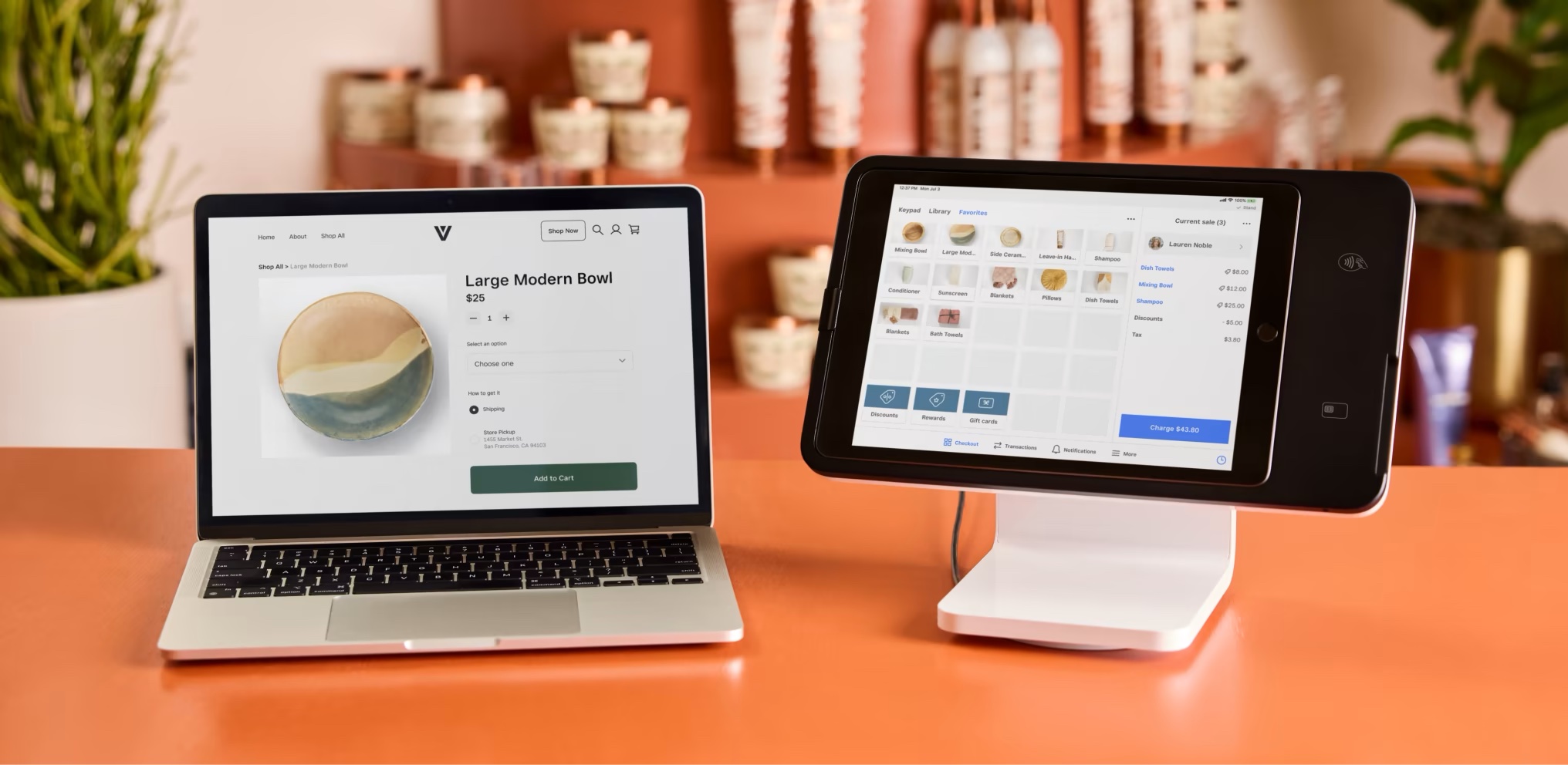
In today’s omnichannel commerce environment, understanding the customer journey is no longer optional—it’s essential. Customer journey mapping allows brands to visualize every touchpoint a customer interacts with, whether online, in-store, through mobile apps, or social media. This holistic view enables businesses to create seamless and consistent experiences across all channels.
Modern customers expect convenience and personalization. They might discover a product on Instagram, compare prices on a website, and finally make a purchase through an app or at a store. A well-structured customer journey map helps businesses identify friction points, optimize engagement, and deliver cohesive experiences that build loyalty.
The Role of Data in Omnichannel Customer Journey Mapping
Data is the backbone of customer journey mapping in omnichannel commerce. By analyzing first-party and third-party data, brands can understand how users move between different channels. For instance, metrics such as dwell time, abandoned carts, or app engagement rates reveal where customers drop off or lose interest.
Moreover, integrating CRM, social analytics, and POS data provides a unified customer view. This integration allows marketers to design smarter campaigns and deliver personalized offers at the right stage of the journey. Transitioning from data collection to data action ensures that insights translate into measurable improvements.
Key Stages of the Omnichannel Customer Journey
Every customer journey in an omnichannel setup typically includes five stages:
-
Awareness: The customer becomes aware of the brand through social media, ads, or recommendations.
-
Consideration: They compare products, read reviews, and check for offers across multiple channels.
-
Purchase: The customer decides to buy, often preferring the channel that offers the best convenience or price.
-
Retention: Post-purchase engagement through loyalty programs or personalized messages enhances satisfaction.
-
Advocacy: A satisfied customer becomes a brand advocate, leaving positive reviews or referrals.
Mapping these stages helps marketers align strategies with customer expectations and improve conversion rates.
Enhancing Customer Experience Through Seamless Integration
In the age of omnichannel commerce, integration is key. Customers should experience uniform messaging, pricing, and support whether they engage through a website, mobile app, or physical store. A disconnected experience leads to frustration and churn.
Brands like Nike and Sephora have mastered this by connecting in-store and digital experiences through apps that sync user preferences and purchase history. Such integration enhances not just convenience but also emotional connection, leading to stronger customer loyalty.
Tools and Techniques for Effective Customer Journey Mapping
To create accurate journey maps, brands can use tools like HubSpot, Miro, or Lucidchart. These platforms help visualize the journey, track real-time customer interactions, and highlight pain points.
Techniques such as heatmaps, user personas, and sentiment analysis further enhance understanding. In addition, AI-driven analytics tools can predict future customer behavior, allowing businesses to anticipate needs and deliver proactive service.
Why Customer Journey Mapping is Vital in 2025 and Beyond
As technology evolves, so does consumer behavior. The customer journey mapping in the age of omnichannel commerce will increasingly rely on automation, predictive analytics, and hyper-personalization. Businesses that invest in mapping now will have a competitive edge in anticipating market shifts and delivering exceptional experiences.
Ultimately, journey mapping empowers brands to move from transactional interactions to meaningful relationships. In a world where customers navigate seamlessly across multiple platforms, consistency and understanding remain the true differentiators.
Conclusion
Customer journey mapping in omnichannel commerce isn’t just a strategy—it’s a necessity for survival. It bridges the gap between customer expectations and brand performance. By integrating data, aligning touchpoints, and using technology intelligently, businesses can turn every interaction into an opportunity for growth and loyalty.